Author: Support Flooring

  • Is Golden Oak Engineered Wood Flooring Right for Your Home?

    Is Golden Oak Engineered Wood Flooring Right for Your Home?

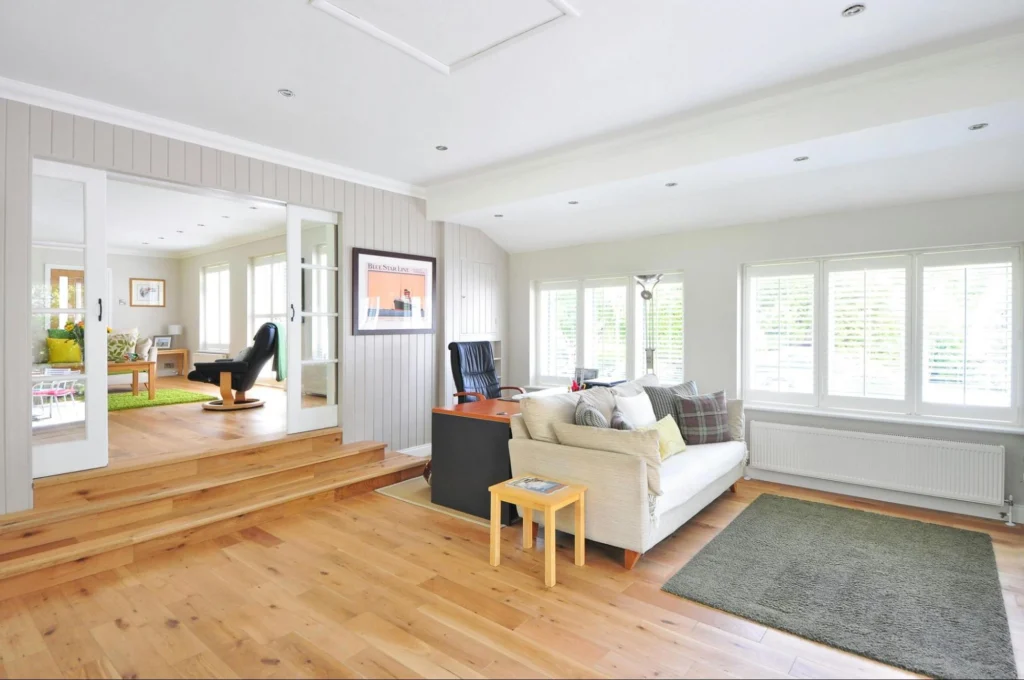
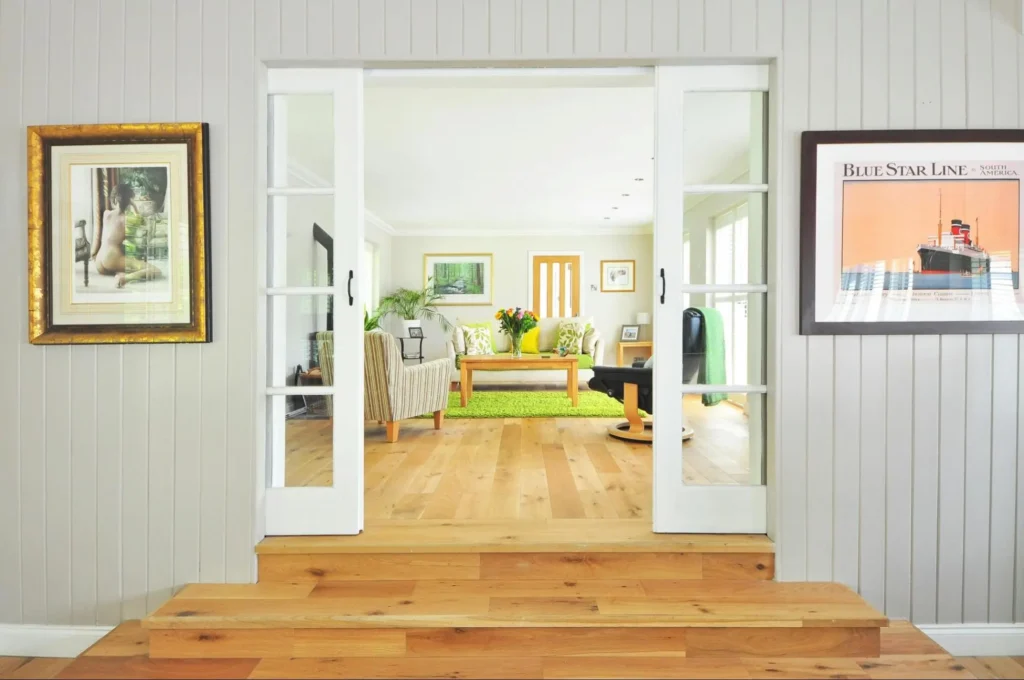
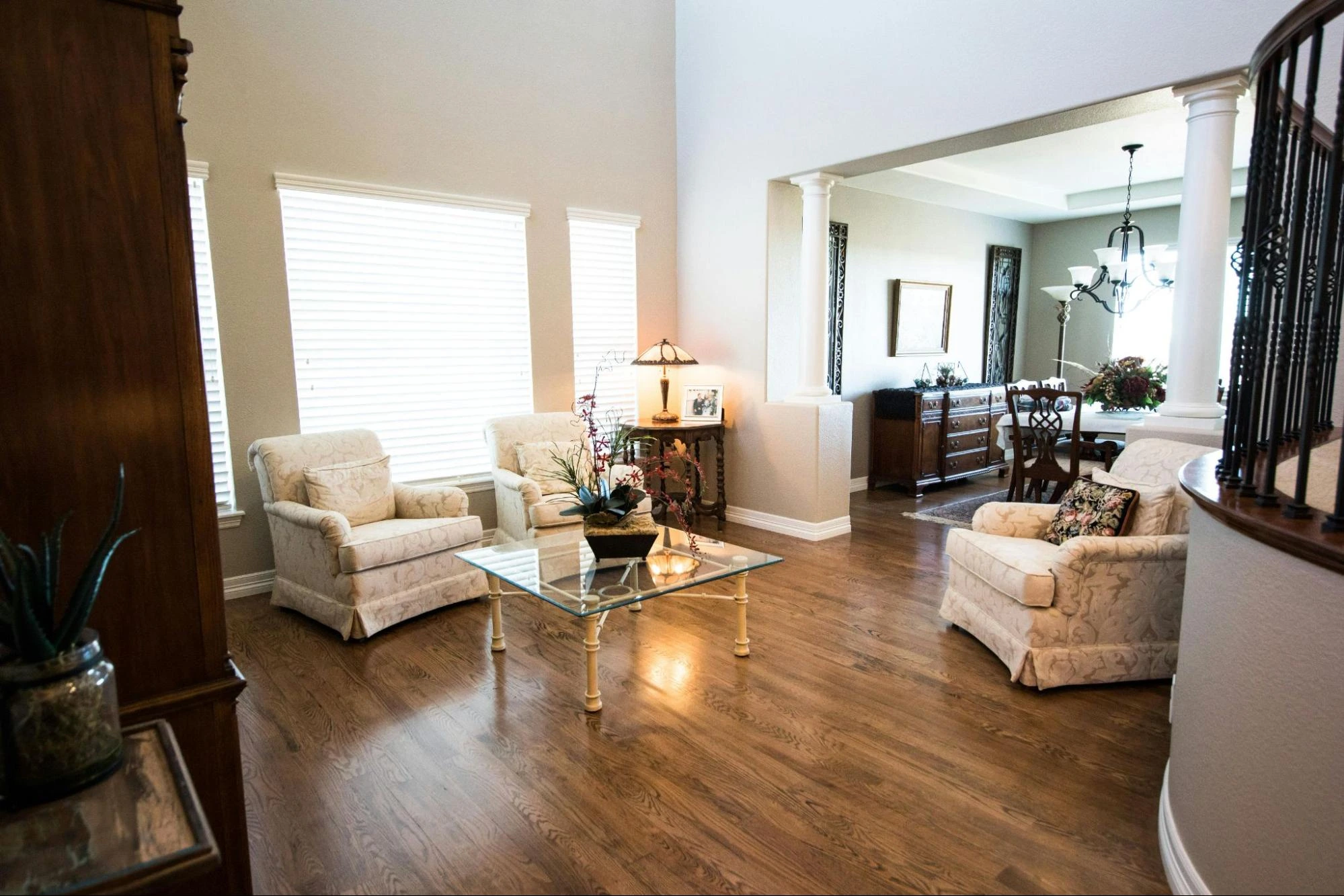
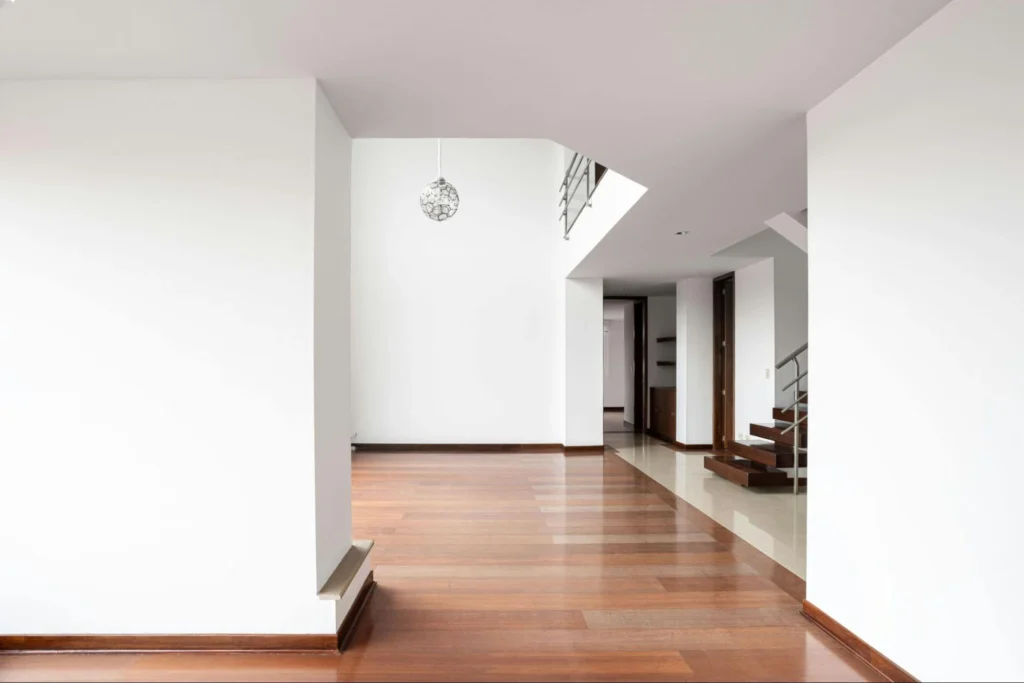
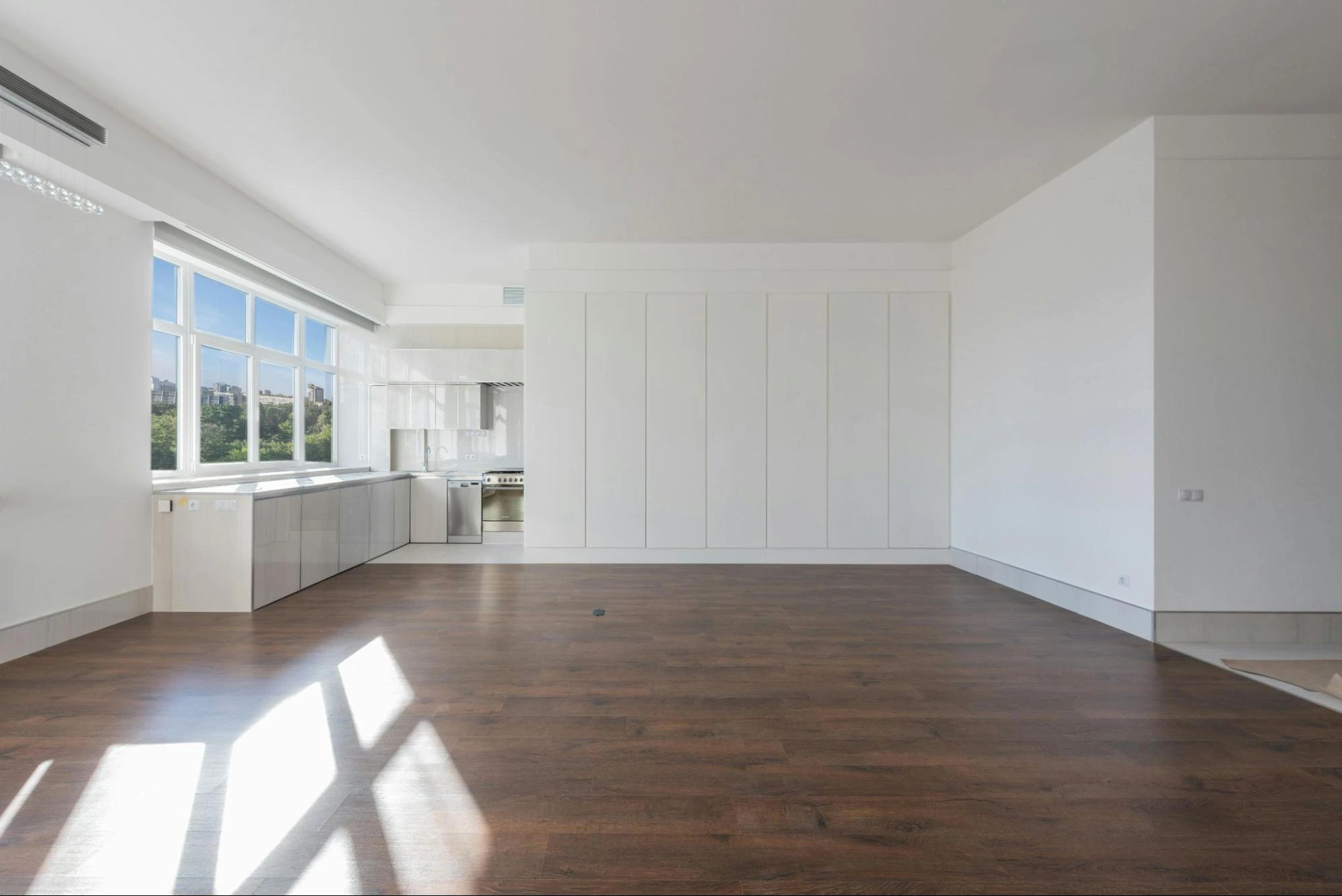
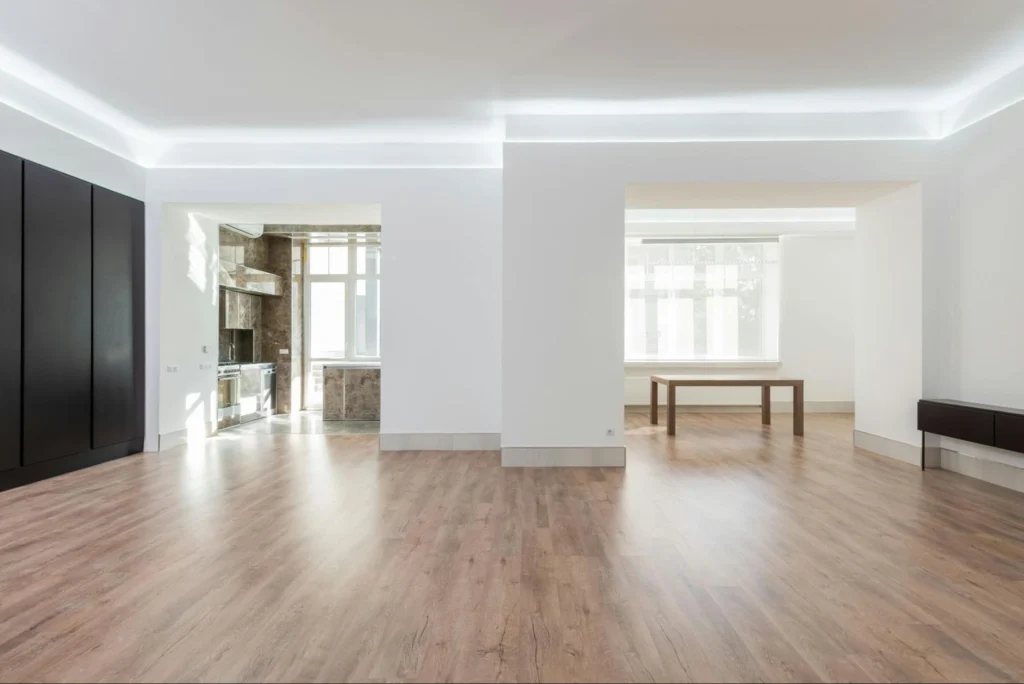
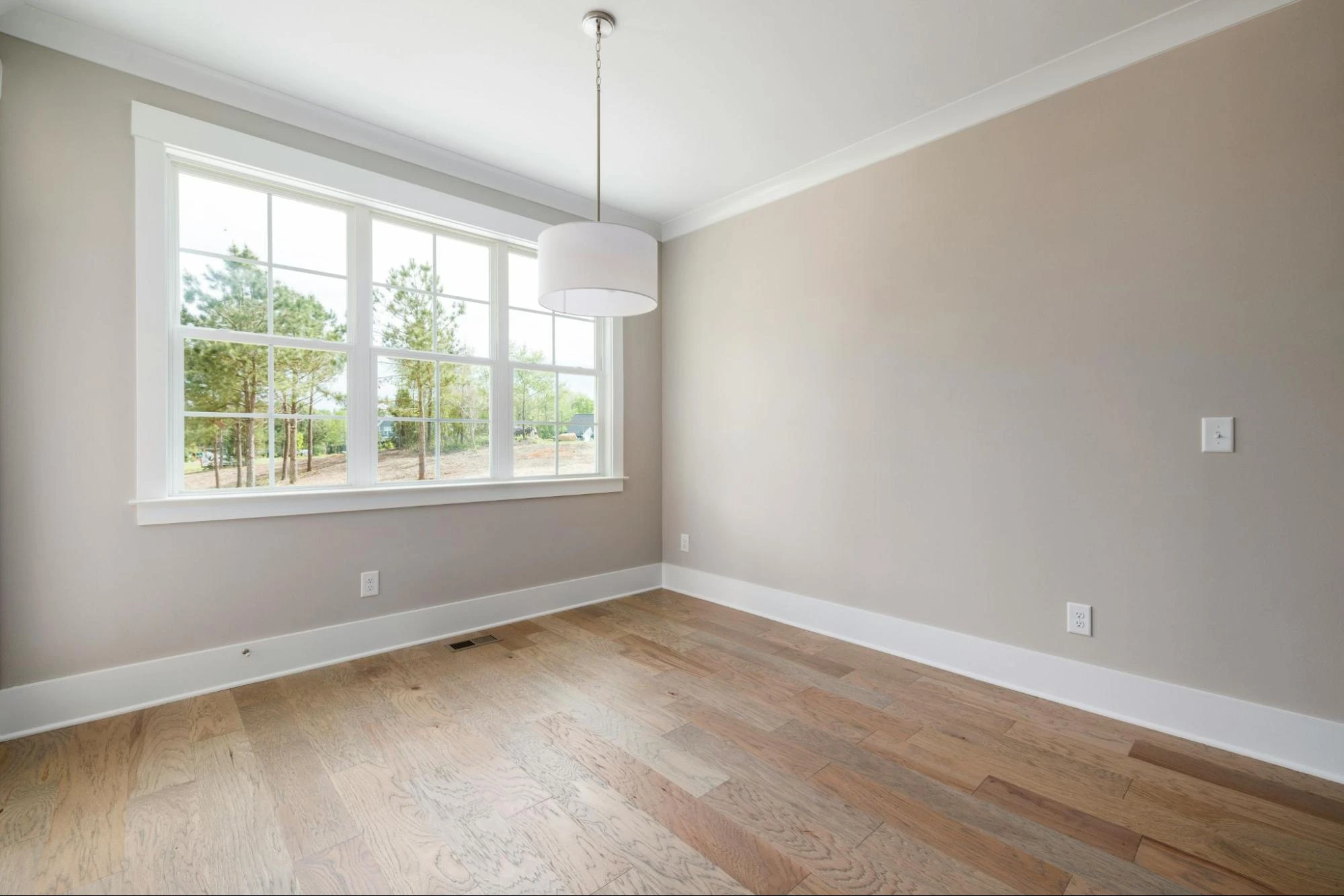
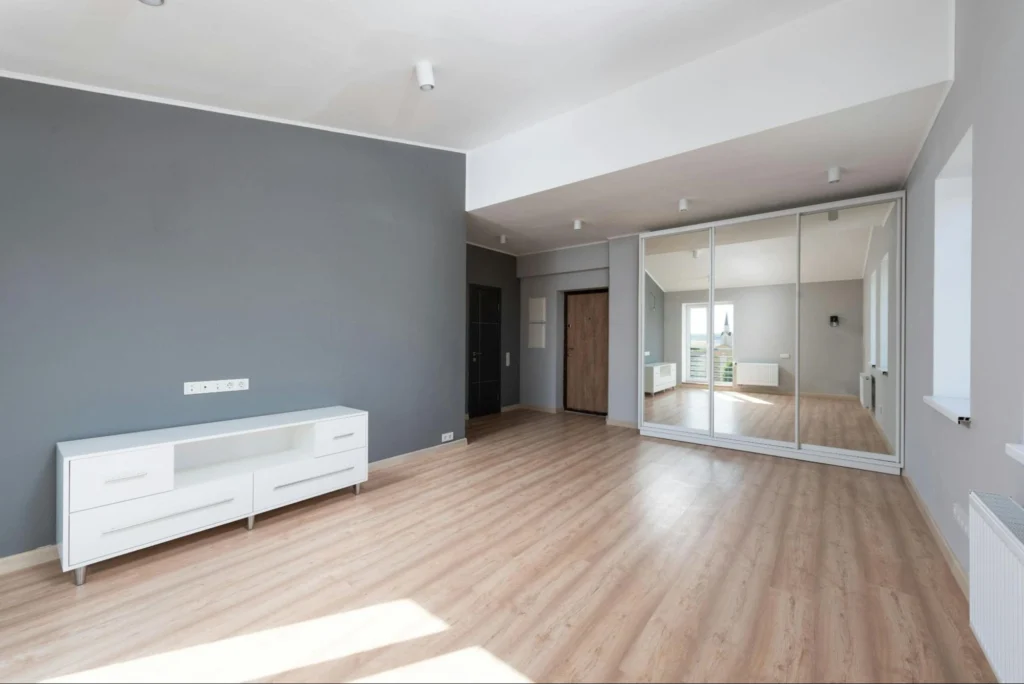
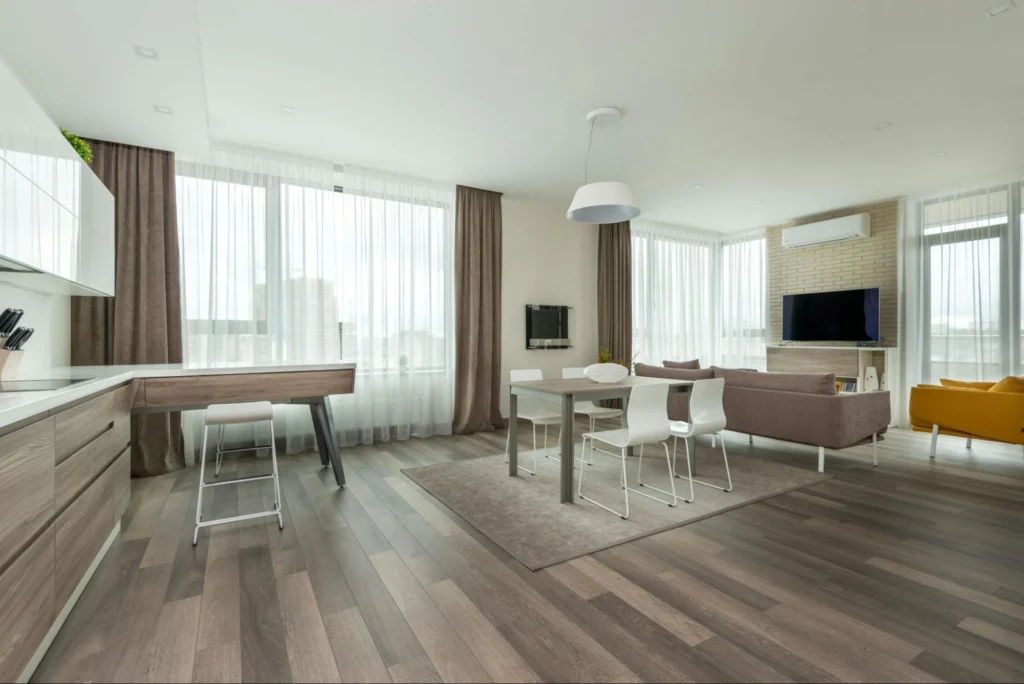
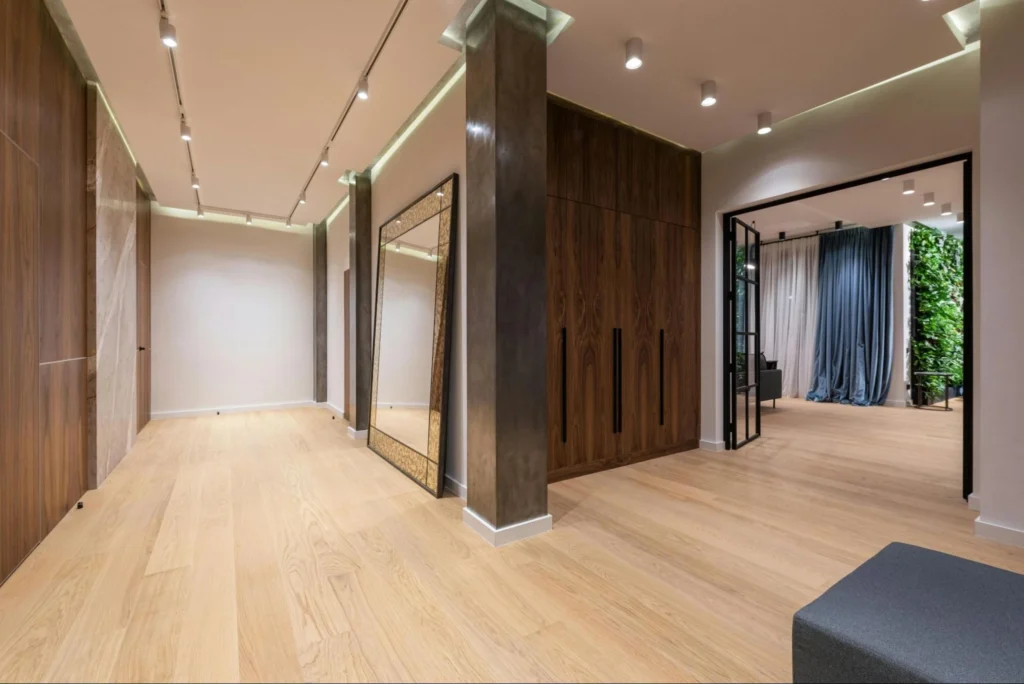
    Golden oak engineered wood flooring has captured the spotlight for all the right reasons. Its timeless charm, characterised by warm hues and natural grain patterns, seamlessly blends with the durability and innovation of modern engineering. But what makes this flooring option such a standout? Beyond its aesthetic appeal, it offers a practical solution for contemporary homes, marrying style with functionality. 

    Let’s delve into why golden oak engineered wood flooring has become a favourite for many homeowners and explore how it can be the perfect addition to your space.

    What You Need to Know About Golden Oak Engineered Wood Flooring

    Not all engineered wood flooring is created equal, and golden oak is no exception. Gold oak is known for its timeless aesthetic appeal and brings warmth and elegance to any space. But how does its engineered construction hold up in real-world scenarios? While it offers stability and ease of installation, some products may not meet the durability or quality you’d expect. Being informed about what makes this flooring unique is crucial. Read further to learn the pros and cons of golden oak engineered wood flooring. 
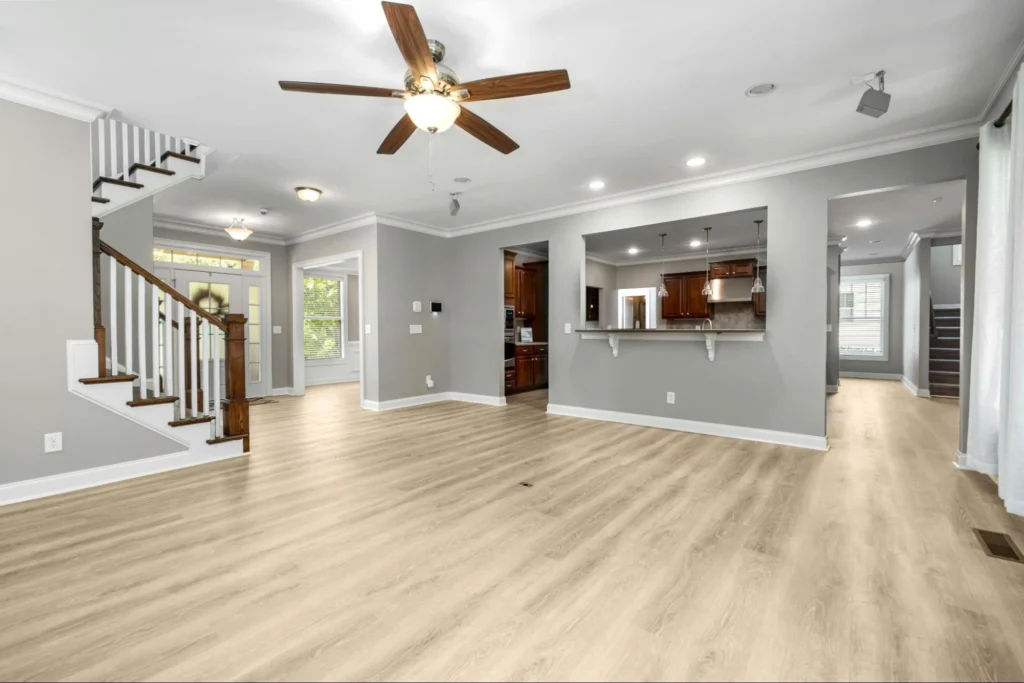
    golden oak engineered wood flooring

    The Pros That Everyone Talks About

    Stability: A Double-Edged Sword

    Golden oak engineered wood is celebrated for its stability, especially in fluctuating climates. Unlike solid wood, its layered construction minimises warping and swelling. However, stability isn’t foolproof. Poor-quality products can still succumb to wear and tear over time.

    Aesthetic Appeal: Beyond Marketing Hype

    Its natural grain patterns and warm tones make golden oak a popular choice for creating inviting interiors. But is “aesthetic appeal” just a fancy term for marketing? Not necessarily. The visual charm is real, but it’s important to see samples in person to ensure the finish matches your expectations.

    Sustainability: The Bigger Picture

    Golden oak engineered wood often comes with claims of being environmentally friendly. While it’s true that engineered wood uses less hardwood than solid planks, sustainability depends on factors like sourcing and manufacturing processes. Don’t forget to consider how “eco-friendly” choices affect both your wallet and the environment.
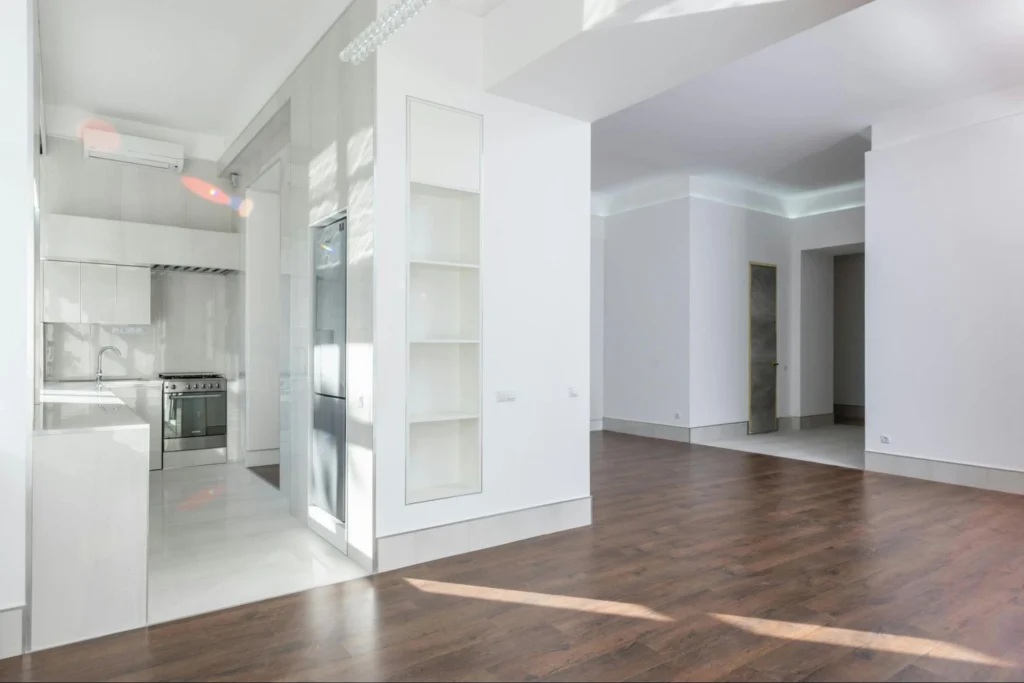
    golden oak engineered wood flooring

    The Drawbacks: What Most Sellers Won’t Tell You

    Scratches and Dents: The Inevitable Reality

    Despite its durability, golden oak isn’t immune to scratches and dents. Heavy furniture and pet claws can leave marks that may be difficult to fix, especially on lower-quality finishes. Regular maintenance, such as using protective pads under furniture and trimming pet nails, can help minimise damage. Additionally, opting for a higher-quality finish can provide better resistance to everyday wear and tear.

    Refinishing Limitations: Not a Forever Option

    Unlike solid wood, which can be sanded multiple times, engineered wood has a limited refinishing lifespan. Depending on the thickness of the top layer, you might only get one chance to refresh its appearance.

    The Hidden Costs of “Premium Finishes”

    Premium finishes promise enhanced durability and aesthetics, but they often come with hefty price tags. And these finishes aren’t always as long-lasting as advertised, potentially leading to more frequent replacements.
    How Much Does Golden Oak Engineered Wood Flooring Actually Cost?

    Price transparency is key when considering this flooring. Here’s a breakdown:

    • Base Cost: £30-£100 per square metre, depending on quality.
    • Installation: Professional fitting can add £20-£50 per square metre.
    • Maintenance: Special cleaning products and protective measures can cost £50-£200 annually.

    Comparison with other floorings:

    Flooring Type Price Range (£/m²) Durability Maintenance
    Golden oak engineered wood flooring 30-100 Moderate to High Medium
    Solid Wood Flooring 50-150 High High
    Laminate Flooring 10-30 Moderate Low

    Note: Budget-friendly claims can be misleading, so it’s important to factor in all associated costs.

    Maintenance: More Work Than You’d Think?

    Engineered wood flooring is often marketed as low-maintenance, but the reality can be different. Keeping golden oak in top shape requires consistent care:

    1. Cleaning Products:

    Avoid abrasive cleaners as they can scratch and dull the surface over time. Opt for pH-neutral or specially formulated hardwood cleaners to preserve the finish. Regularly sweeping or vacuuming with a soft-bristle attachment can prevent dirt and debris from causing micro-scratches. 

    Occasional mopping with a damp, not wet, mop ensures your flooring remains spotless without risking water damage. For tough stains, test any cleaner on an inconspicuous area first to ensure compatibility with your flooring’s finish.
    2. Humidity Control:

    Maintaining stable indoor humidity levels, ideally between 40-60%, is essential to prevent warping or gapping. Use a humidifier during dry winters and a dehumidifier in humid summers to maintain this balance. 

    Sudden changes in temperature and humidity can also impact your flooring, so gradual adjustments are recommended. Placing a hygrometer in the room can help monitor the environment and ensure it stays within the ideal range, protecting your investment for years to come.

    3. Surface Protection:

    Rugs and pads are your flooring’s best friends, especially in high-traffic areas, to prevent scratches and dents. Ensure the pads are non-slip and made from materials that won’t discolour or damage the flooring. Regular polishing with a high-quality wood polish can restore the floor’s shine and provide an additional layer of protection against daily wear and tear. 

    Furniture pads should be used under the legs of heavy furniture to avoid indentation, and rearranging rugs and furniture occasionally can help even out wear patterns.

    Investing time and effort in maintenance isn’t just a good practice—it’s the key to ensuring your engineered wood flooring retains its beauty and value for decades.
    Should You Buy Golden Oak Engineered Wood Flooring?

    This flooring isn’t for everyone. Consider these factors:

    Bad Choice: Homes with pets or high-traffic areas may find it too prone to damage without additional protective measures like rugs or furniture pads. Its surface can also show signs of wear more quickly in spaces with constant heavy use.

    H3: Best Fit: Low-traffic spaces or those seeking a balance between aesthetics and affordability will appreciate its charm and practicality. It works especially well in rooms designed for relaxation or occasional use, such as guest rooms or studies.

    • A simple decision-making framework: Assess your lifestyle, budget, and expectations. Think about how much maintenance you’re willing to commit to and whether the timeless appeal of golden oak matches your home’s aesthetic. If Golden Oak aligns with these, it could be the right choice.
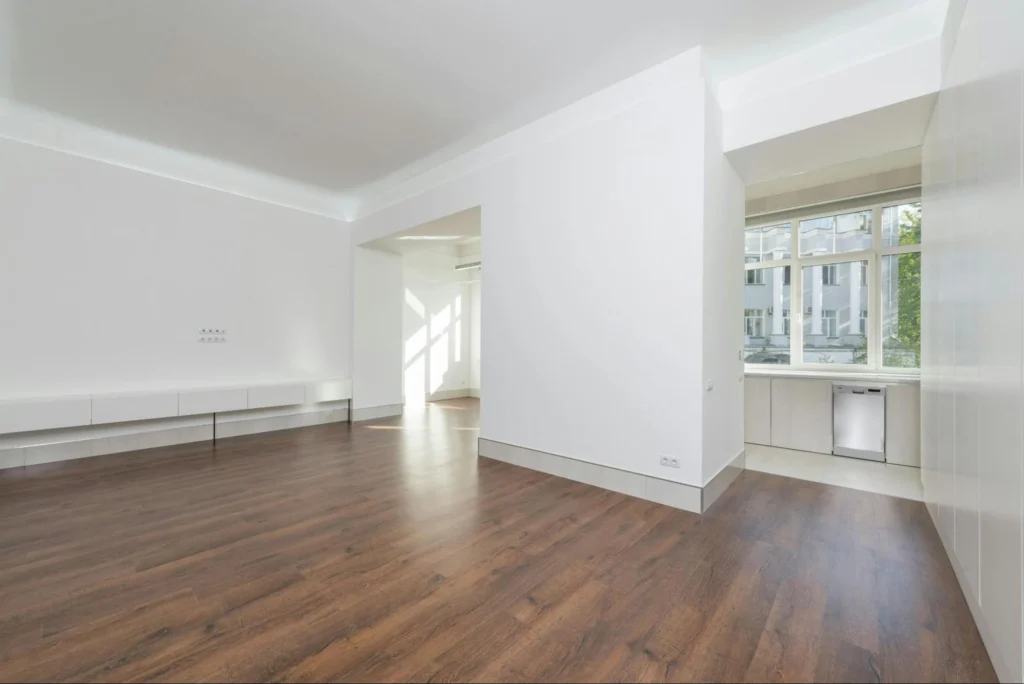
    golden oak engineered wood flooring

    Where to Buy Golden Oak Engineered Wood Flooring Without Regrets

    Avoid common buyer mistakes by:

    Choosing the Right Supplier:

    Don’t just go for the cheapest option—prioritise quality and reputation. Look for suppliers with positive reviews and a track record of reliable service. Ensuring that the supplier offers quality products backed by solid customer support can save you from future headaches and additional costs.

    Testing Samples: 

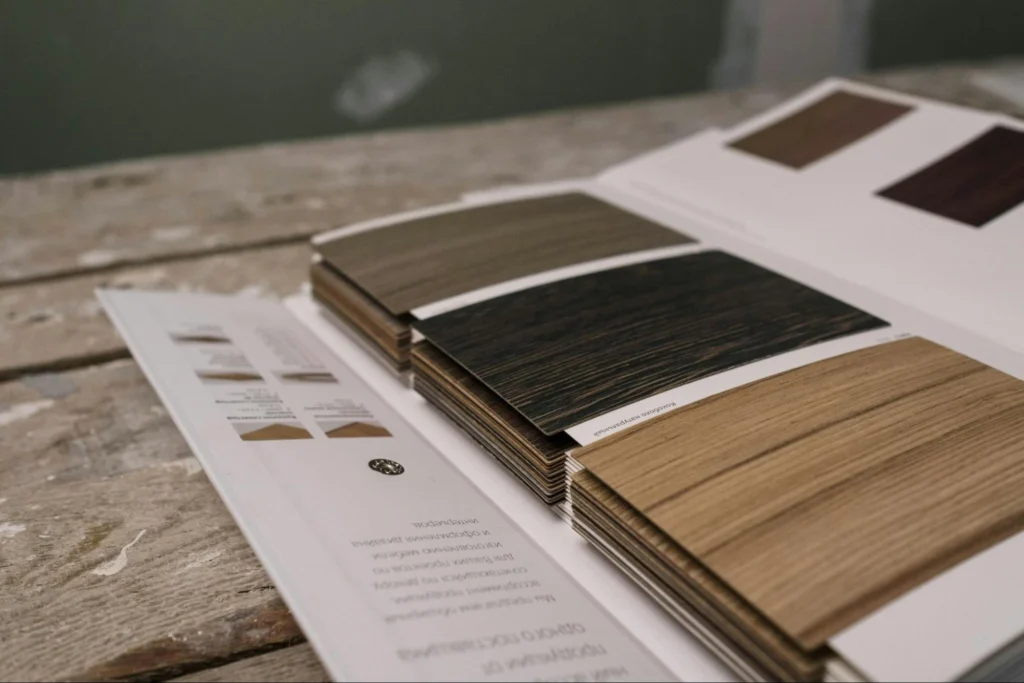
    Always request free samples to evaluate the product’s texture, finish, and colour. This helps you visualise how the flooring will look in your space and ensures it meets your expectations. It’s crucial to assess how it feels underfoot and how it complements your home’s existing décor before making a final decision.

    Final Word: Does Golden Oak Deliver on Its Promises?

    Golden oak engineered wood flooring offers undeniable charm and practicality, but it’s not without its flaws. Understanding the balance between its strengths and limitations is crucial. By being informed and realistic, you can decide whether this flooring lives up to its hype or falls short of your needs. Make your decision based on facts, not just marketing fluff. 

    At The Flooring Masters, we offer high-quality engineered wood flooring options, along with expert advice and free samples to ensure you’re making the best choice. 
  • Floating Engineered Wood Flooring Problems: What No One Tells You

    Floating Engineered Wood Flooring Problems: What No One Tells You

    Floating engineered wood flooring is often celebrated as a convenient and cost-effective solution for modern homes. With no need for nails or glue, it promises an easy installation and a polished look. But is it the perfect choice for your space? Beneath its glossy reputation lie challenges that many homeowners discover too late.  

    This guide delves into the lesser-known drawbacks of floating floors, offering real-life examples and actionable advice to help you make an informed decision. With a deeper understanding of its limitations and benefits, you’ll be better equipped to make the right choice for your home.

    The Overlooked Flaws of Floating Engineered Wood Flooring

    Floating floors may appear seamless and efficient, but their shortcomings can significantly impact your home. What seems like a convenient solution often reveals hidden issues that can lead to expensive repairs or compromises in quality. Let’s examine these overlooked flaws in detail.  

    Peaking: A Common Yet Frustrating Issue

    Peaking, where planks push up against each other, is a common problem even with “professional” installations. This happens when there isn’t enough room for the floor to expand, often due to improper allowance for expansion gaps.  

    While peaking can sometimes be fixed by trimming edges, it is often a sign of poor planning or rushed installation. Without addressing the root cause, this issue is likely to recur, disrupting both the look and functionality of your flooring.  

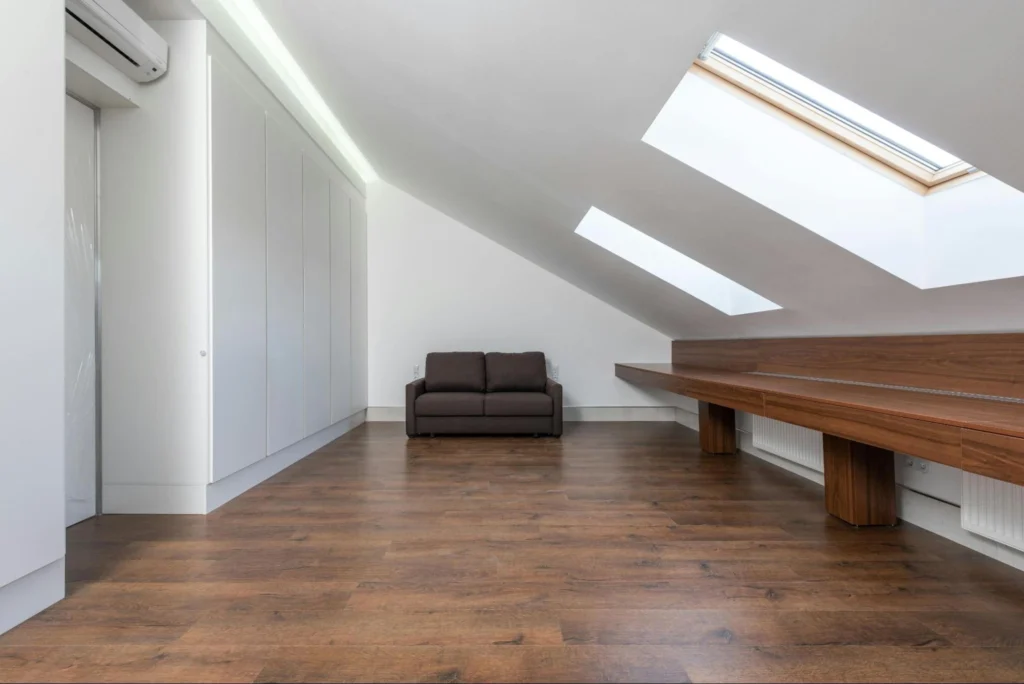
    floated engineered wood flooring problems

    Buckling and Warping: The Hidden Role of Subfloor Quality

    Subfloor imperfections and climate conditions can lead to buckling or warping. Floating floors are more vulnerable to movement caused by moisture or uneven surfaces, highlighting the importance of proper preparation.  

    A subfloor that isn’t perfectly level creates stress points that force the floorboards to shift. When combined with fluctuating humidity levels, this can result in visible deformations that are difficult and costly to repair.  

    Mould and Mildew: The Underrated Threat

    Moisture trapped beneath floating floors can create a breeding ground for mould and mildew. Without effective moisture control measures, even small spills or condensation can lead to significant problems.  

    Mould not only damages the flooring but can also pose serious health risks to occupants. The cost of remediating mould-related damage often far exceeds the savings made by choosing a floating installation.  

    Hollow Sound and Feel: A Compromise on Comfort

    Floating floors can lack the solidity of glued or nailed installations, creating a hollow sound when walked on. This can detract from the luxurious feel many homeowners desire, especially in high-traffic areas.  

    This hollow sensation is particularly noticeable in homes with high ceilings or minimal furnishings, as the sound reverberates more easily. It’s an aesthetic compromise that might not align with the premium appeal engineered wood is known for.  

    floating engineered wood flooring problems

    Why These Problems Happen More Often Than You Think

    While floating engineered wood flooring is marketed as an accessible option, several factors make these issues more prevalent than expected. A deeper look reveals systemic challenges that many homeowners don’t anticipate.  

    1. Environmental Challenges

    Floating floors are inherently less compatible with moisture-prone areas like kitchens, bathrooms, or basements. Seasonal changes and high humidity levels exacerbate the risk of damage.  

    These environmental stressors can cause the flooring to expand, contract, or even lift over time. Without proper safeguards, the durability of floating floors can be significantly compromised, leading to disappointment and unexpected costs.  

    2. Installation Myths

    The “easy DIY nature” of floating floors is often overstated. Missteps during installation, such as inadequate preparation or ignoring expansion gaps, can lead to long-term problems.  

    Even experienced DIY enthusiasts can underestimate the intricacies involved in achieving a seamless and durable floating floor. What seems like a straightforward task often requires specialised tools and expertise to get it right.  

    3. Material Choices

    Cheaper materials may seem budget-friendly but often lack the durability to withstand daily wear and tear. Cost-cutting compromises can amplify flaws like peaking, warping, or aesthetic issues.  

    Investing in premium flooring materials may seem like an unnecessary expense initially, but it often saves significant time, money, and effort over the product’s lifespan. Quality materials are also less prone to structural and visual imperfections. 

    Fixes, Not Band-Aids: Preventing and Solving Floating Floor Issues

    Despite the challenges, floating floors can perform well with the right approach. Proactive solutions and attention to detail can make these issues manageable, ensuring a more satisfying outcome. 

    Installation Done Right

    Proper expansion gaps are non-negotiable. Ensure the subfloor is level, and use high-quality underlay to enhance stability and soundproofing. Hiring a skilled professional can make all the difference.  

    A professional installer can also identify and address potential issues before they escalate, such as correcting uneven subfloors or recommending suitable materials. These small but critical steps can dramatically improve the longevity and performance of your floor. 

    Proactive Moisture Management

    Invest in moisture barriers, dehumidifiers, or sealants to keep humidity levels under control. Regular monitoring of moisture levels can prevent costly repairs down the line.  

    Additionally, incorporating a high-quality vapour barrier during installation adds an extra layer of protection against moisture, safeguarding your investment from preventable damage.

    Choosing Quality Over Cost

    Opting for premium materials ensures better performance and longevity. While the upfront cost may be higher, the long-term benefits of reduced maintenance and fewer replacements are worth it.  

    High-quality materials not only look better but also withstand environmental challenges more effectively. This ensures your flooring remains functional and visually appealing for years to come. 

    Making the Right Flooring Choice: A Realistic Perspective

    Floating engineered wood flooring isn’t a one-size-fits-all solution. Recognising where it shines—and where it falls short—can help you make the best choice for your home. A thoughtful evaluation of your needs and circumstances is key.  

    When Floating Floors Make Sense

    Floating floors are ideal for spaces with stable environments and minimal moisture exposure. They are also great for temporary installations or homes where future removal might be necessary.  

    For instance, rented properties or rooms that may be remodelled in the future benefit from the flexibility of floating floors. They’re also an excellent choice for budget-conscious homeowners seeking an aesthetic upgrade.  

    Alternatives to Consider

    In areas with high traffic or moisture exposure, glued-down or nailed-down floors offer greater stability and durability. These options require more effort initially but often result in fewer issues over time.  

    While these methods demand a higher initial investment, their ability to handle environmental stressors with ease makes them a better long-term solution for many homes. They also deliver a more solid and premium feel.  

    Honest Advice from The Flooring Masters

    At The Flooring Masters, we believe in helping you find the perfect solution for your space. Floating engineered wood flooring can work wonderfully in specific situations, but it’s essential to weigh the pros and cons carefully.  

    Our premium-quality engineered wood options and tailored recommendations ensure you’ll find the flooring that truly meets your needs. Whether you’re after flexibility, durability, or elegance, our experts can guide you to the best choice.  
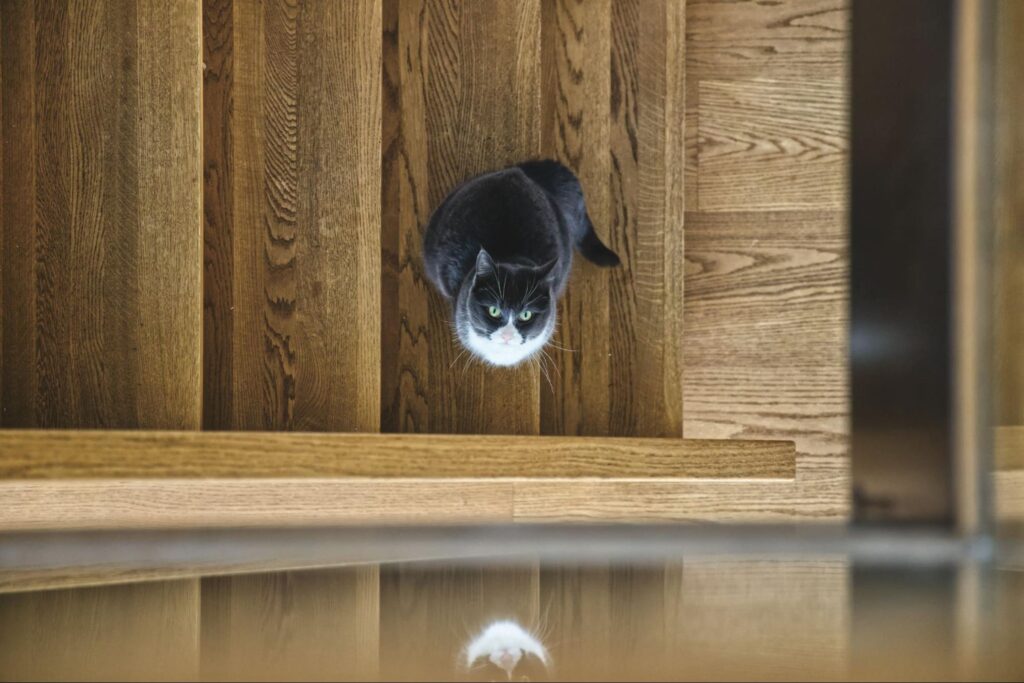
    Speak with The Flooring Masters today for expert advice and unparalleled quality. 

  • Engineered Wood vs Tile: Cost Comparison for Homeowners

    Engineered Wood vs Tile: Cost Comparison for Homeowners

    Is the cost of your flooring decision just about money—or is it about the long-term impact on your lifestyle? Whether you’re remodelling your home or building from scratch, your flooring choice is a significant investment that blends aesthetics, practicality, and value.

    In this showdown, we’re comparing two popular options: engineered wood flooring, loved for its warmth, elegance, and premium feel, and tiles, celebrated for their practicality, durability, and versatility.

    By the end of this blog, you’ll know which flooring delivers the best value for your money—upfront and over time.

    Material Costs: What’s the Price Tag?

    The initial material cost is often the first consideration for homeowners. Here’s a detailed breakdown:

    Material Price Range (per m²) Factors Influencing Cost
    Engineered Wood Flooring £25–£100 Thickness, wood species (oak, walnut), finish, and brand
    Tiles (Ceramic/Porcelain) £10–£60 Material type (ceramic vs porcelain), design, size, and texture

    engineered wood flooring vs tile cost

    Detailed Insights:

    • Engineered Wood Flooring:
      Higher-quality engineered wood costs £70–£100 per m² due to thicker wear layers and premium finishes. Budget options start at £25–£40 per m² but may lack durability.
    • Tiles:
      Ceramic tiles are generally more affordable (£10–£30 per m²), while porcelain tiles, known for their superior strength, range from £30–£60 per m². Custom designs can push costs beyond £100 per m².

    Hidden Costs Alert: Cheaper options in both categories might require frequent replacements or refinishing, increasing long-term expenses.

    Installation Costs: Upfront vs Hidden Challenges

    Installation costs can often rival or even exceed the material costs. Here’s how the two flooring types compare:

    Cost Component Engineered Wood Flooring Tiles
    Labour £20–£50/m² £30–£70/m²
    Tools/
    Preparation
    Minimal (£50–£100 for tools) Precision tools (£100–£200 for tools)
    Subfloor Preparation £10–£20/m² £20–£30/m²

    Why the Difference?

    • Engineered Wood Flooring: Installation is less labour-intensive due to click-lock systems or glue-down methods, making it quicker and cheaper.
    • Tiles: The process involves cutting, grouting, and levelling, which is more time-consuming and requires specialised skills, hence the higher labour costs.

    Actionable Tip: Always ask for an all-inclusive quote covering subfloor prep, finishing, and cleanup to avoid unexpected costs.

    Durability vs Cost Over Time: The True ROI

    When considering flooring, durability plays a significant role in determining long-term costs. Here’s a cost breakdown over the lifespan of these materials:

    Factor Engineered Wood Flooring Tiles
    Refinishing £20–£30/m² (every 5–10 years) Not required
    Repairs £50–£200 (localised repair) £50–£150 (per cracked tile)
    Maintenance £50–£100/year (cleaning products) £20–£50/year (grout cleaning)
    Lifespan 20–30 years (refinishing prolongs life) 50+ years (with proper maintenance)

    Resale Value:

    • Engineered Wood Flooring: Adds significant value to homes due to its luxurious appeal, often resulting in higher sale prices.
    • Tiles: Durable but less impactful on home value, as they’re often seen as a practical choice rather than a luxury feature.

    engineered wood flooring vs tile costs

    Use Case Economics: Match the Flooring to the Room

    Choosing the right flooring for specific rooms can save you thousands in unnecessary replacements or repairs.

    Room Type Best Option Cost Savings
    Kitchen Tiles (£10–£60/m²) Resistant to spills and heat, reducing maintenance costs.
    Bathroom Tiles (£10–£60/m²) Moisture resistance prevents costly replacements.
    Living Room Engineered Wood (£25–£100/m²) Adds warmth and style, increasing resale value.

    Key Insight: Choosing a flooring type unsuited to a specific room can double your costs in repairs or replacements.

    Environmental Costs: A Factor You Can’t Ignore

    While initial costs dominate the conversation, environmental impact is a growing concern for many homeowners.

    Engineered Wood Flooring:

    • Made from sustainable wood sources, reducing impact of deforestation.
    • Energy-intensive production process increases its carbon footprint.

    engineered wood flooring vs tile cost

    Tiles:

    • High energy consumption during manufacturing, especially for porcelain.
    • A longer lifespan often offsets its environmental costs in the long run.

    Final Thoughts: It’s More Than Just a Price Tag

    Your flooring decision isn’t just about upfront costs—it’s about practicality, long-term value, and how well it complements your lifestyle.

    Engineered Wood Flooring: A smart choice for spaces where elegance and resale value matter.

    Tiles: Ideal for moisture-prone areas where durability is critical.

    Still unsure? Talk to the flooring experts at The Flooring Masters. Explore our wide range of premium engineered wood flooring and tiles, and order a free sample today to find the perfect fit for your home.

    Make a choice that pays off in style, savings, and sustainability. Visit The Flooring Masters now!

  • Do You Really Need Underlay for Solid Wood Flooring on Concrete?

    Do You Really Need Underlay for Solid Wood Flooring on Concrete?

    Installing solid wood flooring on concrete raises an important question: is underlay a must-have or simply an optional extra? Some argue it’s an essential safeguard for your flooring, while others see it as an unnecessary expense. The truth is, that the need for underlay depends on factors like your flooring type, environment, and budget.

    So, why does this debate matter? Underlay can provide valuable benefits—but only in the right situations. While not every concrete installation requires it, overlooking its potential advantages could mean missing out on added protection, comfort, and longevity for your flooring. Let’s explore both sides of the argument.

    The Case for Underlay

    For those championing the use of underlay, the benefits are compelling:  

    Moisture Barrier

    Concrete floors naturally emit moisture, which can seep into your wood flooring, causing warping or damage. An underlay acts as a protective shield, safeguarding your investment from concrete’s sneaky moisture.  

    do you need underlay for solid wood flooring on concrete

    Sound Insulation

    A peaceful home starts with quiet floors. Underlay helps dampen noise, making it a practical choice for multi-storey properties or busy households. It absorbs impact sounds, such as footsteps, and reduces airborne noise, creating a more serene living environment. For families or shared spaces, this added quietness can make a significant difference in daily comfort.

    Comfort and Stability

    Underlay provides an extra layer of cushioning, reducing strain on your joints and helping to minimise wear and tear on the wood. Over time, this added stability can extend the lifespan of your flooring.  

    The Case Against Underlay

    However, not everyone is convinced that underlay is necessary. Here are some reasons why:

    Cost vs. Benefit

    Underlay adds an additional expense to your flooring project. For some, the question is whether it truly delivers enough value to justify the cost, or if it’s simply another upselling tactic.   

    Alternative Solutions

    Innovative adhesives or pre-treated wood options are increasingly available, promising to provide similar moisture protection and stability without the need for an underlay. These solutions are often easier to install and can reduce overall project costs. Additionally, they may be ideal for those seeking a streamlined approach without compromising durability or performance. 

    Exceptions

    In some scenarios, underlay might not be necessary at all. For instance, low-moisture environments or engineered wood flooring, which is more resilient than solid wood, may not require the added protection.

    Installation Methods for Solid Wood Flooring on Concrete

    Your choice of installation method plays a crucial role in determining whether you need underlay. Here’s a closer look at the most common methods:  

    Floating Subfloor

    A floating subfloor is one of the more straightforward installation methods. It involves laying the flooring over a thin layer of subfloor material without adhesive, creating a “floating” effect. This method provides cushioning and enhances sound insulation, making it an attractive option for comfort and quietness. 

    However, it has a notable downside: it can slightly raise the floor level, potentially reducing ceiling height—a consideration for rooms with low ceilings or tight spaces.

    Glue-Down Method

    The glue-down method is another popular option, known for its strong and durable results. This approach involves adhering the wood flooring directly to the concrete using specialised adhesives, ensuring a secure and lasting bond. While highly effective, this method can be labour-intensive and costly due to the adhesives and time required. 

    Additionally, underlay is rarely compatible with glue-down installations, as the adhesive needs direct contact with the concrete for maximum effectiveness.

    do you need underlay on solid wood flooring over concrete

    Why It Matters

    Your choice of installation method significantly impacts whether underlay is necessary or even feasible. While a floating subfloor may require an underlay for added comfort and insulation, the glue-down method often eliminates this option, prioritising direct adhesion instead. Carefully evaluate your installation needs to determine the best approach for your flooring project.

    Decision Factors: Do You Need Underlay?

    Ultimately, the decision to use underlay depends on several key factors:  

    Moisture Testing

    Concrete floors can retain hidden moisture, which may harm your wood flooring over time. Conducting a moisture test is crucial to determine if an underlay is needed for protection. This involves measuring the moisture levels in the concrete using tools like moisture meters or hygrometers. Identifying potential moisture issues early can save you from costly repairs or replacements later.

    do you really need underlay for solid wood flooring over concrete

    Type of Hardwood

    Solid wood and engineered wood have different requirements. Engineered wood is generally more stable and moisture-resistant, potentially reducing the need for underlay. Solid wood, on the other hand, is more susceptible to expansion and contraction caused by humidity, making underlay a more critical consideration. Choosing the right wood type for your specific environment is key to ensuring long-lasting performance.

    Final Thoughts: Underlay—Is It a Smart Investment?

    The underlying debate boils down to your unique needs and circumstances. On the one hand, it can protect your flooring, enhance comfort, and reduce noise. On the other hand, the added expense may not always be justified, especially if alternative solutions suffice.  

    Still undecided? Let The Flooring Masters guide you. With expert advice and premium materials, we’ll help you make the best choice for your home and budget.  

    Contact us today to explore our range of flooring solutions and order a free sample from us! 

  • Parquet vs Herringbone Flooring: What’s the Difference?

    Parquet vs Herringbone Flooring: What’s the Difference?

    Flooring is a significant investment that has the potential to transform your living space. Yet, it’s surprisingly easy to fall for trendy buzzwords or alluring patterns without understanding their practical implications. Choosing the wrong flooring pattern can disrupt the aesthetics of your space, increase costs, and even make maintenance a nightmare.

    This guide isn’t about the hype—it’s about clarity. Whether you’re drawn to parquet or herringbone, we’ll break down the essential details so you can make an informed decision.

    What Flooring Salespeople Won’t Tell You About Parquet

    Defining Parquet Flooring Without the Jargon

    Parquet flooring refers to geometric patterns created by arranging wooden blocks or strips. While it’s often marketed as a luxury option, it’s far from just a buzzword. With roots dating back centuries, parquet has stood the test of time as a practical and visually striking design choice.

    difference between parquet and herringbone flooring

    The Hard Truths About Parquet

    Not all parquet patterns are created equal. Some, like the timeless herringbone, are more straightforward to install, while others, such as the chevron, require meticulous craftsmanship, which drives up costs.

    If you’re considering parquet, remember that design intricacy often correlates with maintenance demands. Understanding these nuances can save you from unexpected costs down the line.

    👉 Discover our premium parquet flooring options at The Flooring Masters.

    The Herringbone Hype: Does It Live Up to Expectations?

    What’s So Special About Herringbone?

    Herringbone is celebrated for its elegance and versatility. Its distinctive zigzag pattern enhances narrow spaces and adds visual movement, making rooms appear more dynamic and sophisticated.

    The Fine Print

    However, the charm of herringbone comes at a cost. Intricate installation isn’t a marketing gimmick; it requires precision, increasing labour expenses. Additionally, herringbone can clash with other design elements if overused, potentially overwhelming a space.

    👉 Explore our expertly crafted herringbone flooring options at The Flooring Masters.

    Parquet vs Herringbone: The Real Comparison

    When choosing between parquet and herringbone, it’s crucial to understand their unique attributes:

    Feature Parquet Herringbone
    Aesthetic Broad design scope, including chevron and basketweave patterns. Dynamic zigzag pattern ideal for narrow spaces.
    Installation Varies by pattern; the chevron is more complex. Requires precise measurements and skilled labour.
    Durability Depends on the quality of the wood, not the design. Similar durability if materials are of equal quality.

    Installation Woes Nobody Talks About

    The Devil in the Details

    Precision is crucial. In herringbone, even a slight misalignment can ruin the symmetry, while intricate parquet patterns demand an expert’s touch to maintain consistency. A steady hand and professional expertise are vital to avoid gaps, uneven lines, or a poorly aligned final look.

    Even subfloor preparation needs careful attention. An uneven subfloor can lead to creaks, gaps, or buckling, compromising the flooring’s durability and appearance over time.

    Hidden Costs of Rework

    Cheap installation might save money upfront but often leads to expensive rework if mistakes occur. Misaligned herringbone or poorly laid parquet can require removing and reinstalling entire sections, increasing material and labour costs.

    Beyond money, rework also brings delays and disruptions to your project. Investing in skilled professionals ensures a seamless installation, saving time, stress, and unnecessary expenses.

    Maintenance Myths Debunked

    What Really Keeps These Floors Looking Good?

    While both parquet and herringbone flooring are known for their durability, keeping them in top condition requires consistent care. Proper maintenance not only enhances their longevity but also ensures they retain their aesthetic charm over the years.

    Daily upkeep involves sweeping or vacuuming to remove dirt and debris that can scratch the surface. Both types of flooring benefit from occasional damp mopping with wood-safe cleaners to maintain their finish.

    When it comes to repairs, the herringbone’s intricate pattern demands precise attention to symmetry. Replacing a damaged plank can be a time-consuming task, as even a minor misalignment can disrupt the flow of the design. In contrast, parquet’s broader design variations may be less challenging to repair, but some patterns require specialised refinishing techniques to restore their original look.

    Another consideration is the choice of finish—whether lacquered or oiled—which impacts scratch resistance and maintenance frequency. Herringbone often benefits from a lacquered finish for high-traffic areas, while oiled finishes on parquet offer a more natural look but need reapplication to protect the wood.

    Investing time in regular maintenance and understanding the unique care requirements of each pattern can prevent small issues from turning into costly problems later on.

    Cost Breakdown: Why Price Tags Are Misleading

    Understanding the true cost of parquet and herringbone flooring requires looking beyond their initial price per square metre. Here’s a detailed cost table to help you navigate the expenses.

    Expense Parquet Flooring Herringbone Flooring
    Materials £40–£70 per m² (standard wood £50–£80 per m² (higher demand for precision cuts)
    Installation £25–£50 per m² (varies by pattern) £40–£70 per m² (labour-intensive alignment)
    Maintenance (annually) £5–£10 per m² (cleaning and refinishing) £10–£15 per m² (additional care for intricate designs)

    For a 20 m² room, here’s an example of potential total costs over 10 years:

    Expense Category Parquet Flooring Herringbone Flooring
    Initial Materials
    + Installation
    £1,300–£2,400 £1,800–£3,000
    Maintenance Over 10 Years £1,000–£2,000 £2,000–£3,000
    Total Cost
    (10 Years)
    £2,300–£4,400 £3,800–£6,000


    What This Means for You
    While both parquet and herringbone are worthwhile investments, herringbone’s intricate design and installation process make it a costlier option overall. However, parquet offers more flexibility in patterns, which could save money depending on your choice of design.

    By understanding these costs upfront, you can avoid surprises and plan your budget effectively.

    Conclusion: Make the Right Flooring Choice

    Parquet and herringbone flooring both offer timeless appeal, but their differences in design, cost, and maintenance are significant. Choosing the right option for your space requires more than just an eye for aesthetics—it’s about aligning your needs and budget with the practicalities of each pattern.

    At The Flooring Masters, we simplify this process with expert advice, transparent pricing, and free samples. Our sustainable, high-quality flooring options ensure you can invest with confidence.

  • Here’s How Long Engineered Wood Flooring Actually Lasts

    Here’s How Long Engineered Wood Flooring Actually Lasts

    Engineered wood flooring offers the perfect blend of natural beauty and modern durability.

    With its multi-layered construction, engineered wood flooring can withstand humidity changes and heavy foot traffic better than traditional hardwood. But the burning question remains: just how long does it actually last?

    The answer isn’t as straightforward as you might think. While manufacturers often tout lifespans of 20-30 years, the reality can vary significantly based on factors like quality, installation, and maintenance.

    In this blog, we’ll explore the factors that influence the lifespan of engineered wood flooring, share expert maintenance tips, and help you understand when it’s time for a replacement.

    Whether you’re considering a new installation or looking to extend the life of your existing floors, this blog has you covered.

    Let’s uncover the truth about engineered wood flooring’s lifespan and how to make it last as long as possible.

    The Lifespan of Engineered Wood Flooring: What to Expect

    Average Lifespan

    On average, engineered wood flooring lasts 20 to 30 years. However, with proper care and maintenance, many homeowners report their floors lasting 40 years or even longer.

    But here’s the thing: not all engineered wood flooring is created equal. Several factors can affect the lifespan.

    Factors Affecting Longevity

    1. Quality of Materials: As with most things in life, you get what you pay for. Higher-quality engineered wood flooring tends to last longer.
    2. Thickness of the Wear Layer: This is crucial. The thicker the top layer of real wood, the more times it can be refinished, extending its life.
    3. Installation: Proper installation can extend the life of your floor by years. (Pro tip: unless you’re a DIY guru, leave this to the professionals!)
    4. Maintenance: Regular cleaning and proper care can significantly extend the life of your floors.
    5. Foot Traffic: High-traffic areas will naturally wear faster than less-used spaces.
    6. Environmental Conditions: Humidity, temperature fluctuations, and exposure to sunlight can all impact longevity.

    Breaking It Down: The Anatomy of Engineered Wood Flooring

    how long should engineered wood flooring last

    To truly understand the lifespan of engineered wood flooring, it’s helpful to know what it’s made of. Let’s take a closer look:

    The Wear Layer

    This is the top layer of real hardwood. It’s what you see and walk on. Typically, this layer ranges from 0.6mm to 6mm in thickness. The thicker this layer, the more times your floor can be sanded and refinished.

    The Core Layers

    Beneath the wear layer are multiple layers of plywood or high-density fibreboard (HDF). These layers give engineered wood its stability and resistance to warping.

    The Bottom Layer

    The final layer is designed to provide additional stability and moisture resistance.

    The Million-Dollar Question: Can Engineered Wood Flooring Be Refinished?

    Yes, it can! But here’s the catch: how many times you can refinish your engineered wood floor depends on the thickness of that all-important wear layer.

    Refinishing Potential Based on Wear Layer Thickness

    – 0.6mm – 1mm: Sorry, no refinishing here. But you can still restore shine with refresher products.

    – 2mm – 3mm: You can likely refinish once, maybe twice if you’re gentle.

    – 4mm – 6mm: Now we’re talking! These can usually be refinished multiple times, similar to solid hardwood.

    Remember, each refinishing removes about 0.5mm to 1mm of wood. So, a 3mm wear layer could potentially be refinished 2-3 times.

    The Secret to Longevity: Proper Care and Maintenance

    Want your engineered wood floors to last as long as possible? Here’s how:

    Daily Care

    1. Sweep or vacuum regularly to prevent scratches from dirt and debris.
    2. Use a slightly damp mop for deeper cleaning, but avoid excess water.
    3. Clean up spills immediately to prevent water damage.

    Long-Term Maintenance

    1. Use furniture pads to prevent scratches and dents.
    2. Consider using rugs in high-traffic areas to reduce wear.
    3. Maintain a consistent indoor humidity level (35-55%) to prevent warping.
    4. Recoat your floors every 3-5 years to refresh the protective finish.

    Choose Your Finish Wisely

    Different finishes offer varying levels of protection:

    1. Lacquered Finish: Offers excellent protection against spills and wear.
    2. Oiled Finish: Enhances the natural beauty of the wood but may require more frequent maintenance.

    Installation: The Foundation of Longevity

    Proper installation is crucial for maximizing the lifespan of your engineered wood flooring. Here are some key points:

    1. Acclimatisation: Let the planks adjust to your home’s environment before installation.
    2. Correct Underlay: Use the right underlay for added comfort and insulation.
    3. Start from the Middle: Begin installation from the room’s midpoint for the best results.

    Pro tip: Unless you’re a DIY guru, consider professional installation. It might cost more upfront, but it can add years to your floor’s life.

    The Green Factor: Environmental Considerations

    For the eco-conscious among us, here’s some good news: Many engineered wood flooring options are produced with sustainability in mind. Look for products certified by organizations like the Forest Stewardship Council (FSC) for assurance of environmentally responsible sourcing.

    The Cost Factor: Installation and Long-Term Value

    While the initial cost of engineered wood flooring can be higher than some alternatives, it often proves cost-effective in the long run. Installation costs are typically lower than solid hardwood due to less labour and preparation needed.

    Signs It’s Time to Replace Your Engineered Wood Flooring

    Even with the best care, there will come a time when replacement is necessary. Here are some signs to watch for:

    1. Extensive scratching or gouging that can’t be fixed by refinishing.
    2. Warping or cupping of the boards.
    3. Separation between planks that don’t close in different seasons.
    4. Discoloration that doesn’t improve with cleaning or refinishing.

    Engineered Wood vs. Solid Hardwood: A Lifespan Showdown

    You might be wondering how engineered wood stacks up against its solid hardwood cousin in terms of longevity. Here’s a quick comparison:

    – Solid Hardwood: Can last 50-100 years with proper care and multiple refinishings.

    – Engineered Wood: Typically lasts 20-40 years, with the potential for longer life depending on wear layer thickness and care.

    While solid hardwood has the potential to last longer, engineered wood offers benefits like better stability and moisture resistance, making it a great choice for many homes.

    engineered wood flooring

    (conclusion) Quality+Care=Lasting Engineered Wood Floors

    So, how long does engineered wood flooring last?

    With quality materials, proper installation, and good maintenance, you can expect 20-40 years of beautiful floors. While engineered wood may not last as long as solid hardwood, it offers a great balance of longevity, stability, and style.

    Remember, the key to maximising the lifespan of your engineered wood flooring lies in choosing a high-quality product, ensuring proper installation, and maintaining a consistent care routine.

    At The Flooring Masters, we offer a curated selection of premium engineered wood flooring options built to stand the test of time. From eco-friendly choices to ultra-durable finishes, our range caters to various styles and durability needs.

    Ready to find a floor that’ll last for decades? There’s no better way to decide than to see and feel the quality for yourself.


    Order Your Free Samples

  • Is Leaving Hardwood Floors Unfinished a Good Idea?

    Is Leaving Hardwood Floors Unfinished a Good Idea?

    Problem Potential Cost Common Causes
    Warping £500–£2,000+ (depending on extent) Caused by rapid expansion due to humidity changes
    Buckling £1,000–£3,000 (full floor replacement) Flooring lifting from improper expansion gaps
    Gapping £200–£500 (minor repairs) Contraction from inadequate moisture adjustment

    Hardwood flooring is a timeless choice, but deciding on its final look can be a tough call. One question often arises: should you leave your hardwood floors unfinished? With their raw, rustic appeal, unfinished floors offer a natural charm that’s hard to ignore. However, this decision comes with its own set of challenges and considerations. 

    In this blog, we’ll delve into the pros and cons of unfinished hardwood flooring, helping you determine if it’s the right fit for your home, budget, and personal style.

    Why Some Homeowners Consider Leaving Hardwood Floors Unfinished

    Natural, Rustic Look

    One of the main attractions of unfinished hardwood floors is their organic, vintage aesthetic. Without a glossy seal, the raw beauty of the wood takes centre stage, showcasing its natural grains and imperfections. This timeless, rustic appeal can transform a home, making it feel warm and grounded.

    Customisation Flexibility

    Unfinished floors also offer unparalleled flexibility for future customisation. Whether you prefer a specific stain, finish, or texture, leaving the wood bare gives you the freedom to modify it later. This can be especially appealing if your tastes evolve or you want to refresh your interiors without replacing the flooring.

    can you leave hardwood floors unfinished

    Potential Drawbacks of Unfinished Hardwood Floors

    1. Susceptibility to Damage

    Without a protective seal, unfinished hardwood floors are highly vulnerable to scratches, stains, and moisture damage. Everyday spills, heavy furniture, and even pet claws can leave noticeable marks on the surface, making them less practical for high-traffic areas or homes with children and pets.

    2. High Maintenance Needs

    Caring for unfinished floors demands vigilance. Spills must be cleaned immediately to prevent staining or warping, and regular sweeping is essential to remove dirt and debris that could cause scratches. Unlike sealed floors, unfinished wood cannot handle moisture, so wet mopping is off the table.

    3. Long-Term Costs

    While unfinished floors might save you money initially, the lack of protection can lead to costly repairs or replacements down the line. The expenses of refinishing or addressing water damage can quickly outweigh the initial savings, making this choice less economical in the long run.

    can you leave hardwood floors unfinished

    When Leaving Hardwood Floors Unfinished Might Work

    Low-Traffic Areas

    Unfinished hardwood floors are better suited for rooms with minimal foot traffic, such as guest bedrooms or home offices. These spaces are less likely to endure heavy use, reducing the risk of wear and tear. In these areas, the lack of a protective finish is less of a concern, making it easier to enjoy the wood’s natural beauty without constant worry. Additionally, low-traffic spaces provide an opportunity to showcase the floor’s rustic charm in a more controlled environment.

    If a Patina is Desired

    For some, the allure of unfinished hardwood lies in its ability to develop a natural patina over time. But what exactly is a patina? It’s a surface change that occurs as the wood ages and interacts with its environment, creating a unique blend of colour, texture, and character. Patinas often result from exposure to light, air, and daily use, giving the wood a lived-in, weathered appearance. This ageing process lends the flooring a distinctive charm, making it a popular choice for those who value a rustic, time-worn aesthetic.

    can you leave hardwood floors unfinished

    Alternative Options for a Natural Look

    If you’re drawn to the natural aesthetic of unfinished wood but are wary of its drawbacks, there are alternatives worth considering.

    Invisible or Matte Finishes

    Modern finishes like matte or low-sheen coatings mimic the appearance of raw wood while providing much-needed durability. Hard wax oils, for example, enhance the wood’s natural beauty while offering a protective layer against moisture and wear.

    Eco-Friendly Water-Based Finishes

    For an environmentally friendly option, water-based finishes strike a balance between aesthetics and protection. These finishes preserve the wood’s natural look while providing a subtle shield against spills and stains, making them a sustainable and practical choice.

    Tips for Maintaining Unfinished Hardwood Floors

    If you decide to embrace unfinished hardwood floors, proper care is essential to keep them looking their best. A consistent cleaning routine and preventative measures can help prolong their natural beauty and minimise damage over time.

    can you leave hardwood floors unfinished

    1. Daily Care

    Sweep your floors regularly to remove dirt and debris, and avoid using water-based cleaning methods. Dry mopping or vacuuming with a soft brush attachment works well for daily maintenance. Consider using a microfibre mop for added efficiency, as it gently captures fine dust particles without scratching the surface. Staying consistent with cleaning helps prevent buildup, which can dull the wood’s appearance over time.

    2. Furniture and Footwear Precautions

    Protect your floors from scratches by using furniture pads and encouraging a no-shoes policy indoors. Rugs can also help minimise wear in high-traffic areas. Avoid dragging heavy furniture across the floor, as this can leave deep gouges. For added protection, use area rugs in places prone to heavy use, such as under chairs or desks.

    3. Spill and Stain Management

    Unfinished wood absorbs spills quickly, so prompt cleanup is crucial. Keep a soft cloth or paper towel handy to blot spills immediately, preventing stains or warping. For stubborn marks, gentle sanding can help remove blemishes, but this should be done sparingly to avoid uneven wear. Preventative measures like using coasters and trays can also minimise the risk of accidental spills reaching the floor.

    Is Leaving Hardwood Floors Unfinished the Right Choice for You?

    Ultimately, the decision to leave hardwood floors unfinished depends on your lifestyle, aesthetic preferences, and willingness to commit to ongoing maintenance. If you love the raw, natural look and don’t mind the extra care, unfinished floors might be the perfect fit for you. However, if durability and convenience are your priorities, a finish that combines style and practicality could be a better choice.

    Still unsure? Consulting with flooring experts can provide clarity and tailored recommendations. Make use of the expert advice centre at The Flooring Masters. Whether you opt for unfinished floors or a finish that captures the same rustic charm, make sure your choice reflects your unique vision for your home.

  • Waterproof Engineered Wood Flooring: What You Need To Know

    Waterproof Engineered Wood Flooring: What You Need To Know

    When it comes to flooring that combines the elegance of real wood with practicality, waterproof engineered wood flooring emerges as a standout option. Promising durability and moisture resistance, it has become a popular choice for areas prone to spills and humidity, such as kitchens, bathrooms, and basements. But how well does it live up to its “waterproof” label?

    This guide explores the benefits, limitations, and essential considerations to help you make an informed decision.

    Why Choose Waterproof Engineered Wood Flooring?

    Waterproof engineered wood flooring offers a blend of style and resilience. Its construction includes a top layer of real wood veneer bonded to moisture-resistant layers, providing the aesthetic appeal of natural wood without the drawbacks of traditional timber in wet areas.

    With the rising demand for practical yet stylish flooring, this solution is particularly appealing for busy households. Kitchens and bathrooms, which often face challenges with spills, splashes, and humidity, benefit significantly from its durable, moisture-resistant design.

    Key Features to Look for in Waterproof Engineered Wood Flooring

    When shopping for waterproof engineered wood flooring, understanding its features is key to making the right choice. Here’s what to prioritise:
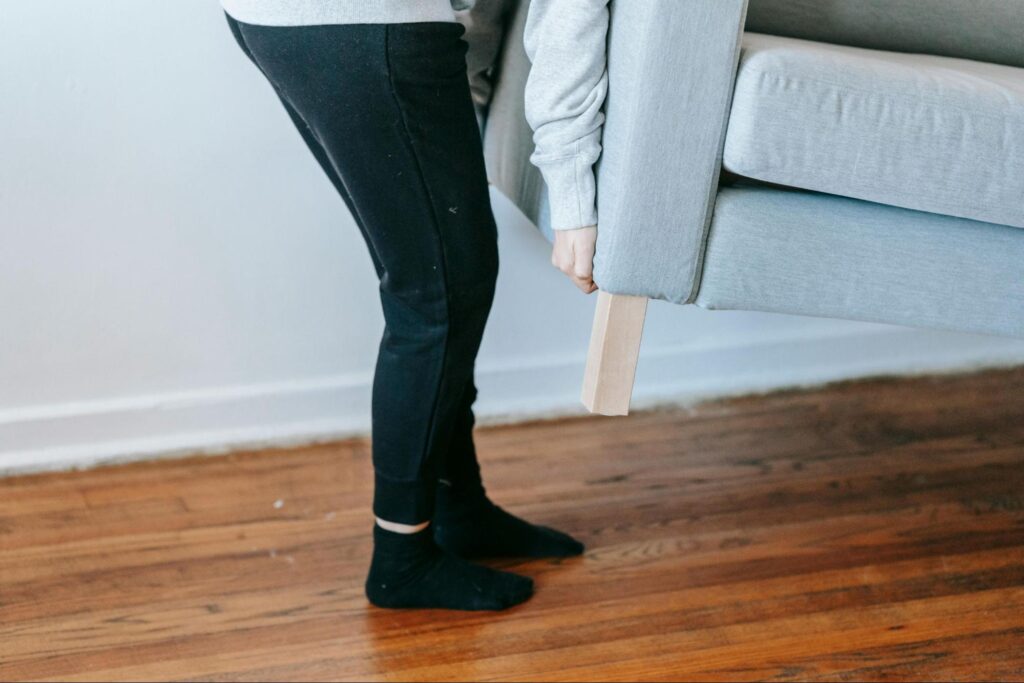
    water resistant engineered wood flooring

    1. Waterproof Layering

    A high-quality waterproof layer is essential for preventing warping, swelling, or damage caused by moisture. Look for products with advanced coatings or sealants that act as a barrier against water penetration, keeping the core layers protected. This feature ensures spills and humidity don’t compromise the flooring’s structural integrity or appearance.

    Premium products often feature enhanced waterproofing technologies, offering added peace of mind for use in kitchens, bathrooms, and other moisture-prone areas.

    2. Durability

    The thickness of the wear layer matters, especially in maintaining the flooring’s longevity. A thicker wear layer not only improves resistance to scratches and dents but also allows for light sanding and refinishing, giving your flooring a refreshed look over time.

    Opting for a durable product ensures that your flooring can handle the demands of busy households without losing its charm.

    3. Installation Methods

    Installation options, such as click-lock systems, simplify the process and make it accessible for DIY enthusiasts. These systems securely interlock the planks, creating a tight seal that prevents water seepage.

    Floating floor installations using click-lock systems are a popular choice for their ease of setup and clean finish, making them ideal for both professionals and DIYers.

    best waterproof engineered wood flooring

    Best Rooms and Uses for Waterproof Engineered Wood Flooring

    Thanks to its practical and stylish nature, waterproof engineered wood flooring works well in various spaces. Below is a quick guide to its suitability for different rooms:

    Room Benefits Considerations
    Kitchen Withstands spills, stains, and high foot traffic. Ensure a tight seal between planks to avoid water seepage.
    Bathroom Handles humidity and frequent exposure to water. Avoid prolonged water pooling to maintain longevity.
    Basement Resistant to humidity and prevents warping in below-ground environments. Check for adequate subfloor preparation to prevent moisture from beneath.
    Living Room Offers style versatility and a cosy, natural look. Choose a finish that complements your interior décor.
    Hallways Durable enough to withstand heavy foot traffic and wear. Use mats or runners in high-traffic zones for added protection.

    The wide range of finishes and styles also ensures the flooring complements both traditional and modern interior designs, adding sophistication to any room.

    Sustainable and Eco-Friendly Options

    • For eco-conscious homeowners, sustainable waterproof engineered wood flooring is an excellent choice. The production of engineered wood already uses less natural timber than solid wood flooring, but many brands go further to ensure their products are eco-friendly.
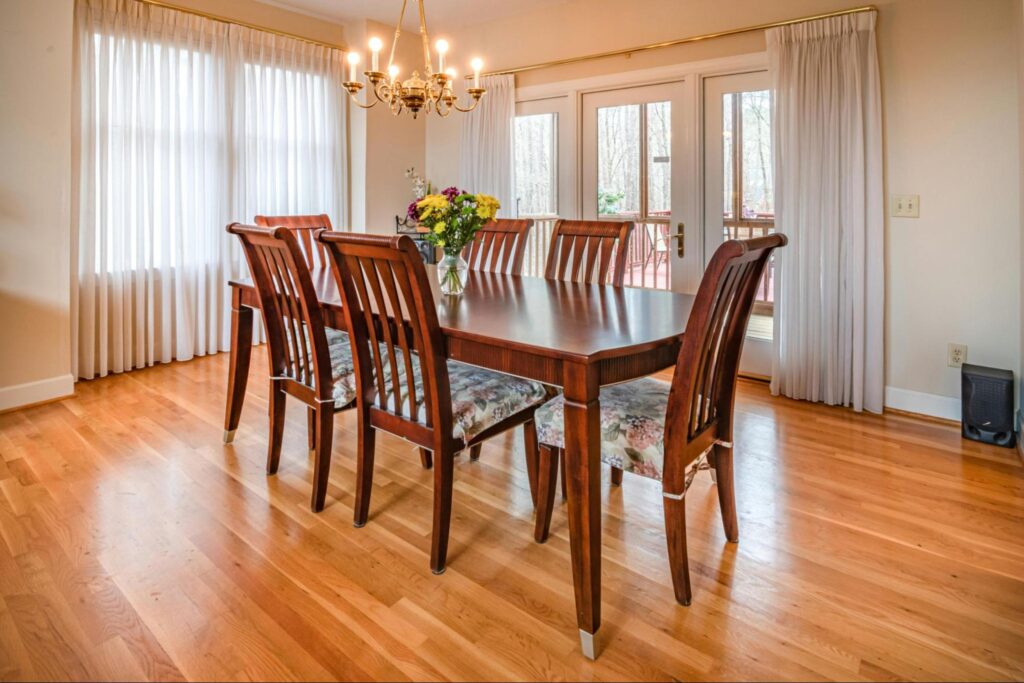
    • Look for flooring options that are certified by organisations like the Forest Stewardship Council (FSC), ensuring the wood is responsibly sourced. Some manufacturers also use recycled wood fibres in their core layers, reducing the demand for virgin materials.

    water resistant engineered wood flooring

    • Additionally, modern flooring products often incorporate non-toxic, water-based adhesives and finishes, minimising harmful emissions and making them safer for indoor air quality. These features appeal not only to environmentally aware consumers but also to families looking to create a healthier home environment.


    • Choosing a sustainable option doesn’t mean compromising on style or durability. Many eco-friendly waterproof engineered wood floors are available in a variety of finishes and textures, so you can find an option that matches your design vision while supporting sustainability.

    Tips for Choosing the Right Waterproof Engineered Wood Flooring

    Selecting the perfect waterproof engineered wood flooring involves more than just picking a style you like. Here are some practical tips to guide your decision:

    1. Assess Warranty and Durability

    The warranty offered by the manufacturer can be an indicator of the product’s quality and durability. A good warranty should cover water damage, wear, and structural integrity. Floors with thicker wear layers tend to last longer and withstand heavy use, so prioritise options that offer this feature. A long-lasting product is an investment that pays off over time.

    2. Budget Considerations

    Your budget will play a significant role in narrowing down your choices. While there are affordable options available, consider the long-term benefits of investing in a high-quality product. Cheaper alternatives might save you money upfront but could lead to higher costs in repairs or replacements. Striking a balance between cost and quality ensures value for your money.

    best waterproof engineered wood flooring

    3. Check Certifications and Ratings

    Look for flooring products that come with certifications like GREENGUARD for indoor air quality or FloorScore for low VOC emissions. These certifications give you confidence that your flooring is safe and eco-conscious.

    4. Prioritise Practicality

    If your household is particularly busy or prone to spills, opt for floors with enhanced waterproof properties and scratch-resistant finishes. In addition, choose a style that hides wear and tear, such as distressed or textured finishes.

    5. Visit Showrooms or Order Samples

    Seeing and feeling the flooring in person can make a significant difference in your decision-making process. Many suppliers, like The Flooring Masters, offer free samples so you can evaluate the colour, texture, and quality before committing.

    Making the Best Choice

    Waterproof engineered wood flooring is the perfect blend of style and practicality, making it a standout option for moisture-prone spaces. Its ability to replicate the beauty of natural wood while offering superior moisture resistance makes it a durable and versatile choice for modern homes.

    When selecting the ideal flooring, focus on essential features such as a robust waterproof layer, a thick and durable wear layer, and eco-friendly materials. These elements not only enhance functionality but also ensure your flooring complements your lifestyle and sustainability goals.

    If you’re uncertain about which product suits your needs, The Flooring Masters is here to help. With expert advice and a carefully curated range of high-quality options, we make it easy to find the perfect waterproof engineered wood flooring for your home.

  • Best Teak Laminate Flooring for Busy Homes: What to Look For

    Best Teak Laminate Flooring for Busy Homes: What to Look For

    Teak wood has earned its reputation as a top choice for flooring, celebrated for its exceptional durability, natural resistance to moisture, and timeless appeal. Its rich tones and unique grain patterns effortlessly complement both classic and modern interiors. But while solid teak flooring exudes luxury, its cost can be prohibitive for many homeowners.

    That’s where teak solid wood laminate flooring steps in—a budget-friendly alternative that captures the elegance of real teak without the hefty price tag. If you’re on the hunt for flooring that combines style, durability, and affordability, teak laminate deserves your attention.

    In this guide, we’ll explore everything you need to know about teak solid wood laminate flooring, helping you make a confident and informed choice for your home.

    Key Benefits of Teak Solid Wood Laminate Flooring

    Durability and Moisture Resistance

    One of the teak’s standout features is its natural resistance to moisture, thanks to the oils within the wood. Laminate options designed to mimic teak often inherit this quality, making them a great choice for areas prone to humidity, such as kitchens or bathrooms.

    Aesthetic Appeal

    Teak laminate captures the beauty of natural teak with its warm hues and rich grain patterns. Modern manufacturing techniques allow for realistic designs, offering homeowners the charm of teak without the upkeep required for solid wood.

    best teak solid wood flooring laminate flooring

    Easy Installation and Maintenance

    Teak laminate is designed with convenience in mind. With user-friendly options like click-lock systems or adhesive-backed tiles, even DIY enthusiasts can achieve professional-looking results. Additionally, laminate requires minimal maintenance—just routine cleaning to keep it looking its best.

    Trends in Teak Laminate Flooring

    Sustainability

    As environmental concerns rise, sustainably sourced materials are becoming more important. Many teak laminate options now include eco-friendly certifications, ensuring a smaller environmental footprint.

    Versatile Applications

    Teak laminate’s versatility extends beyond traditional flooring. Its enhanced moisture resistance makes it suitable for bathrooms, kitchens, and even patios, offering a cohesive look across different spaces.

    Waterproof and Scratch-Resistant Technology

    Innovative finishes in laminate flooring have introduced waterproof and scratch-resistant surfaces. These advancements make teak laminate a durable choice for high-traffic areas, ideal for busy households.

    best teak solid wood laminate flooring

    Potential Drawbacks of Teak Laminate Flooring

    Fading and Surface Wear

    Lower-quality teak laminates may fade over time, especially when exposed to direct sunlight. Without proper UV protection, these floors can lose their initial vibrancy and appear worn.

    Misleading Coverage and Stability Issues

    Thinner or poorly constructed laminate bases may lack stability, leading to uneven flooring over time. Some products may also have misleading coverage claims, so it’s essential to review product details carefully.

    Price Considerations

    While teak laminate is more affordable than solid wood, premium options can approach the cost of natural teak. Buyers should weigh the value of these high-end laminates against their budget and long-term needs.

    best teak solid wood laminate flooring

    Top Picks for Teak Laminate Flooring

    Choosing the right teak laminate flooring can be overwhelming with many options. To make your decision easier, here’s a comparison of the top teak laminate products, highlighting their features, ideal uses, and customer feedback.

    Product Name Features Ideal Applications Customer Feedback
    High-Density Teak Laminate Waterproof and scratch-resistant
    Durable for high-traffic areas
    Kitchens, hallways, living rooms Praised for its realistic teak look and long-lasting resilience.
    Outdoor-Grade Faux Teak Laminate UV protection and water resistance
    Designed for outdoor use
    Patios, decks, shaded outdoor spaces Affordable and durable, perfect for creating cosy and stylish outdoor areas.
    Budget-Friendly Indoor Teak Alternative Lightweight and easy adhesive installation
    Economical option
    Bedrooms, guest rooms with moderate use Offers great value for money without compromising on appearance.

    These teak laminate flooring options cater to different needs, from indoor elegance to outdoor durability. Keep this table in mind when you are finding a suitable option for your house.

    Tips for Choosing the Best Teak Laminate Flooring

    1. Evaluate Quality and Durability

    • When selecting teak laminate flooring, prioritise products with robust features like UV protection, high-density cores, and water-resistant finishes. UV protection helps prevent fading from sunlight exposure, keeping your floors looking fresh for longer. 
    • High-density cores provide stability and minimise the risk of warping, while water-resistant finishes are essential for areas prone to spills or humidity. Additionally, check for wear layer thickness—a thicker layer often translates to better longevity and resistance to scratches or dents.

    2. Check for Eco-Friendly Certifications

    • As sustainability becomes a priority, eco-friendly certifications are a key indicator of responsible sourcing and manufacturing. Look for labels such as FSC (Forest Stewardship Council) or PEFC (Programme for the Endorsement of Forest Certification) to ensure the materials are sourced from sustainably managed forests. 
    • Opting for certified products not only supports environmental conservation but also guarantees a high-quality product free from harmful chemicals. You’ll also find brands that use recycled materials in their laminate cores, offering an even greener choice.
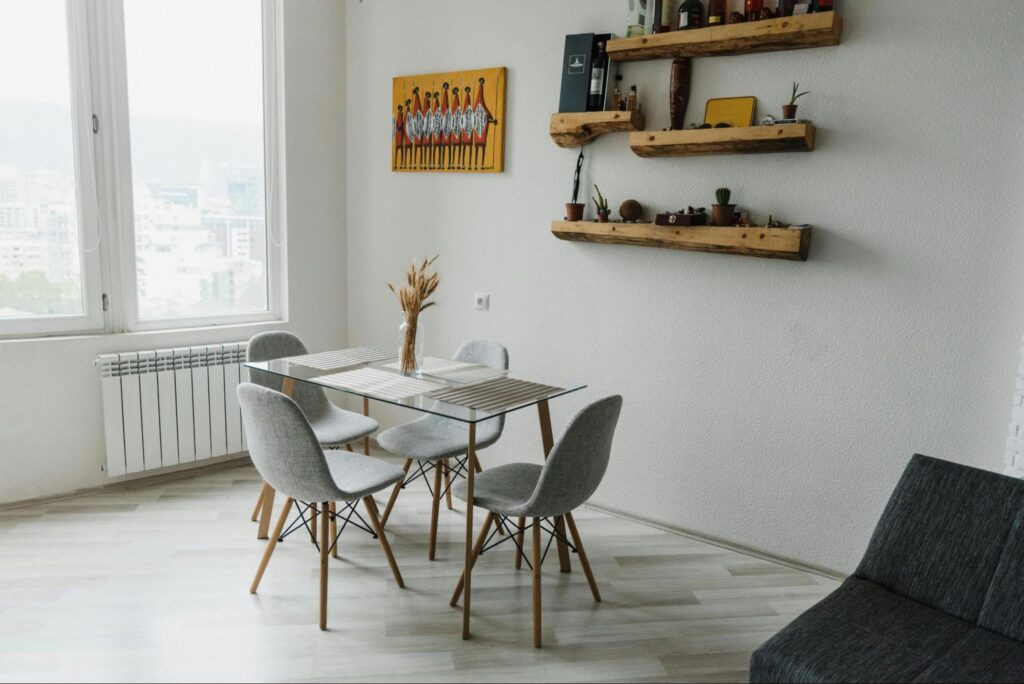
    best teak solid wood laminate flooring

    3. Consider Installation and Maintenance Needs

    • Different installation methods cater to various room types and usage levels, so it’s essential to match the flooring system to your needs. Click-lock systems are a popular choice for high-traffic areas, as they provide a seamless fit and are easy to replace if damaged. 
    • Adhesive-backed tiles, on the other hand, are lightweight and ideal for smaller, less demanding spaces like guest rooms or home offices. When it comes to maintenance, consider laminates with easy-to-clean surfaces or stain-resistant finishes, which reduce upkeep and maintain their appearance over time.

    Is Teak Laminate Right for You?

    Teak solid wood laminate flooring offers the perfect balance of style, affordability, and durability. Its realistic teak aesthetic, combined with easy installation and maintenance, makes it a versatile choice for any home. While there are some drawbacks, such as potential fading in lower-quality options, careful selection can help you avoid these issues.

    If you are still unsure about your decision, make use of The Flooring Master’s professional advice option, to understand better if teal solid wood laminate flooring is the right choice for you or not. 

  • Engineered or Hardwood Flooring? Find out the Pros and Cons

    Engineered or Hardwood Flooring? Find out the Pros and Cons

    Flooring is one of the biggest investments in home design, and choosing the right option can be a challenge. With so many choices available, two of the most popular options are engineered wood and solid hardwood flooring. 

    But which one is truly the best for your lifestyle, budget, and design needs? This guide will explore the key factors you need to consider when making your decision, including durability, cost, design flexibility, and environmental impact.

    Solid Hardwood Flooring – Classic Appeal with High Durability

    Strengths of Solid Hardwood

    Solid hardwood flooring is renowned for its classic appeal and natural beauty. It offers unmatched warmth and timeless elegance, making it a highly sought-after option for many homeowners. The longevity of solid hardwood is another significant advantage: it can be refinished multiple times, allowing it to last for generations with proper care.

    Whether you’re drawn to the rich hues of oak, maple, or walnut, solid hardwood provides a variety of options to suit any interior design. This flooring type can stand up to years of use, making it a good long-term investment for homes.

    engineered hardwood flooring vs hardwood

    Drawbacks of Solid Hardwood

    However, solid hardwood has its limitations. It is sensitive to humidity and temperature changes, making it less suitable for moisture-prone areas such as basements or bathrooms. In high-traffic areas, solid hardwood can be prone to scratching, requiring regular maintenance to maintain its appearance.

    Additionally, solid hardwood comes with a higher upfront cost compared to engineered wood, both in terms of the material itself and installation.

    Ideal Situations for Solid Hardwood

    Solid hardwood is best suited for low-moisture areas like living rooms, dining rooms, and bedrooms. If you live in a climate with stable temperatures and low humidity, solid hardwood is an excellent choice that will add long-term value to your home.

    Engineered Wood Flooring – Versatility and Practicality

    engineered hardwood flooring pros and cons

    Strengths of Engineered Wood

    Engineered wood flooring provides excellent versatility and practicality. Its multi-layered structure offers greater dimensional stability than solid hardwood, making it more resistant to moisture and temperature fluctuations. This makes engineered wood an ideal choice for spaces like kitchens, bathrooms, and basements, where conditions can vary.

    Engineered wood comes in a variety of designs, finishes, and plank dimensions, offering flexibility to suit any style. Additionally, it is easier and quicker to install, often saving both time and money compared to solid hardwood.

    Drawbacks of Engineered Wood

    On the downside, engineered wood cannot be refinished as many times as solid hardwood. Once the veneer layer wears down, it cannot be re-sanded or restained to restore its appearance. Furthermore, while engineered wood is durable, it typically has a shorter lifespan compared to solid hardwood.

    Ideal Situations for Engineered Wood

    Engineered wood is well-suited for high-moisture areas like kitchens, bathrooms, and basements, as well as any spaces with variable temperatures. It’s also an excellent choice for homeowners looking for quick and cost-effective installation options.

    To know more about engineered wood flooring, you can refer to our blog about the flooring, explaining all about it in detail for better clarity. 

    engineered vs hardwood flooring pros and cons

    Pros and Cons of Solid Hardwood vs Engineered Wood

    Feature Solid Hardwood Engineered Wood
    Durability Can be refinished multiple times, very durable Less durable, can’t be refinished after wear
    Moisture Resistance Prone to moisture and temperature changes Highly resistant to moisture and temperature shifts
    Cost Higher upfront cost, expensive installation More affordable with easier installation
    Aesthetic Appeal Timeless, natural beauty High variety of designs, can mimic hardwood look
    Maintenance Requires regular upkeep and refinishing Lower maintenance, but not refinishable

    Side-by-Side Cost Comparison

    Initial Costs

    When it comes to initial costs, solid hardwood is the more expensive option. The material itself tends to be pricier, and the installation can require more time and expertise, further increasing the overall expense. Engineered wood, on the other hand, is typically less expensive to purchase and install.

    engineered wood flooring vs hardwood

    Long-Term Costs

    While solid hardwood may have a higher upfront cost, it can be more cost-effective in the long run due to its ability to be refinished multiple times. Engineered wood, although cheaper to install, has a shorter lifespan and cannot be refinished, potentially leading to higher replacement costs down the line.

    Cost Factor Solid Hardwood Engineered Wood
    Material Costs (per sq.m) £40 – £70 £20 – £40
    Installation Costs (per sq.m) £30 – £50 £15 – £30
    Total Initial Costs (per sq.m) £70 – £120 £35 – £70
    Long-Term Maintenance Requires refinishing (every 5-10 years) No refinishing, may need replacement after 10-15 years
    Replacement Costs (per sq.m) £70 – £120 (refinish) £35 – £70 (replacement)

    Durability and Performance Under Different Conditions

    Moisture Resistance

    Solid hardwood fares better in dry, controlled environments, but it can warp or swell if exposed to excessive moisture. Engineered wood, thanks to its layered construction, is far more resistant to moisture, making it the ideal choice for rooms with fluctuating humidity, such as basements and bathrooms.

    High-Traffic Areas

    Both solid and engineered wood perform well in high-traffic areas, though solid hardwood has the advantage of being refinishable. However, engineered wood’s dimensional stability makes it a great option for areas where temperature and moisture can vary, providing consistent performance over time.

    engineered hardwood flooring vs hardwood

    Design and Aesthetic Flexibility

    Solid Hardwood Aesthetics

    Solid hardwood flooring offers natural grain patterns and a rich, warm look that adds value and character to any space. Traditional woods like oak, walnut, and maple remain popular for their timeless appeal.

    Engineered Wood Versatility

    Engineered wood offers a broader range of design options, including wide planks, herringbone patterns, and finishes that can mimic the look of solid hardwood. This flexibility makes it ideal for achieving a high-end aesthetic at a lower cost.

    Environmental Impact and Sustainability

    Sustainability of Solid Hardwood

    When sourced responsibly, solid hardwood can be a sustainable option. Look for certifications such as FSC (Forest Stewardship Council) to ensure that the wood comes from managed forests where sustainability is a priority.

    Eco-Friendliness of Engineered Wood

    Engineered wood is often considered a more eco-friendly option because it uses less hardwood and can be made from recycled materials. It’s a great choice for homeowners looking to reduce their environmental footprint.

    Engineered or Solid Hardwood – Which Flooring Is Right for You?

    When choosing between engineered wood and solid hardwood flooring, the decision largely depends on your lifestyle, budget, and specific needs. Solid hardwood is a great choice if you’re looking for long-term durability, refinishing potential, and classic appeal. On the other hand, engineered wood offers versatility, moisture resistance, and easier installation, making it a practical solution for more variable environments.

    At The Flooring Masters, we offer high-quality engineered wood flooring and solid hardwood flooring options to suit every home. 

    Reach out to us and order a free sample today to find the perfect flooring solution for your space!

  • Top Flooring Choices for Animal Shelters: What to Consider

    Top Flooring Choices for Animal Shelters: What to Consider

    Flooring in animal shelters must balance durability, hygiene, and comfort to support both animals and staff. Shelters endure heavy foot traffic, sharp claws, and rigorous cleaning routines, making durable, easy-to-clean surfaces essential for preventing bacteria and odour buildup. 

    Beyond practicality, flooring impacts the overall environment, providing comfort for animals—many of whom may already be stressed—and ensuring safety with non-slip materials. It must also enhance staff efficiency by simplifying maintenance.

    In this blog, we’ll explore key considerations for animal shelter flooring, compare top options, and provide guidance to help you select the best solution for your shelter’s needs.

    Key Considerations for Animal Shelter Flooring

    Hygiene and Cleanability

    Hygiene is paramount in animal shelters, where the risk of bacteria and odour buildup is high. Flooring with seamless surfaces, such as epoxy, helps eliminate crevices where dirt and bacteria can hide. Easy-to-clean materials not only improve sanitation but also save time for busy staff who manage multiple tasks daily.

    Durability and Resistance to Wear

    With heavy foot traffic, sharp claws, and frequent use of chemical cleaners, shelter flooring must be exceptionally durable. Materials that can endure constant wear and tear without compromising their integrity are crucial for long-term functionality.

    Safety and Comfort for Animals

    Non-slip surfaces are essential to prevent accidents, especially in areas prone to spills or moisture. Additionally, comfort should be a priority in zones where animals rest or play, ensuring they feel secure and at ease in their surroundings.

    best flooring for animal shelters

    Top Flooring Options for Animal Shelters

    Choosing the right flooring for an animal shelter is about finding the perfect balance between practicality and comfort. Different areas of the shelter may require materials with specific qualities, such as durability for high-traffic zones or softness for resting spaces.

    Given below is a comparison table between different flooring types that explains their benefits and drawbacks to understand what can be the most suitable for animal shelters.

    Flooring Type Benefits Downsides Best Suited For
    Epoxy Flooring Hygienic, durable, non-porous, scratch-resistant, and easy to sanitise. Higher upfront cost. High-traffic and wet areas.
    Sealed Concrete Extremely durable, low maintenance, moisture- and stain-resistant, non-slip finish. Less comfortable for animals lying on it for extended periods. Walkways and heavy-traffic zones.
    Rubber Flooring Soft underfoot, sound-dampening, slip-resistant, and comfortable for animals. It may not withstand heavy foot traffic or claws as well as epoxy or concrete. Resting and play areas prioritising comfort.
    Vinyl Flooring Affordable, available in slip-resistant options, and softer for animals. Less durable in very high-traffic environments, and may require more frequent replacement. Budget-conscious areas need moderate wear.

    Each flooring option has its strengths and limitations, so it’s essential to match the material to the unique demands of your shelter. By understanding the benefits and downsides of each, you can make an informed choice that benefits both animals and staff.

    best flooring for animal shelters

    Additional Features and Enhancements

    1. Coved Bases

    Coved bases provide a seamless transition between floors and walls, eliminating corners where dirt can accumulate. This feature is especially useful in maintaining hygiene standards.

    2. Non-Toxic and Allergen-Free Materials

    Choosing flooring made from non-toxic, allergen-free materials ensures the safety of animals and staff, particularly in spaces with sensitive occupants.

    3. Sound-Dampening Properties

    Flooring with sound-dampening qualities, such as rubber, helps reduce noise levels in busy shelters, creating a calmer atmosphere for animals who may be easily stressed.

    Comparing Costs and Maintenance Requirements

    The cost of flooring goes beyond the initial price—long-term maintenance and durability significantly impact the overall investment. Comparing these factors ensures that the chosen material offers both value and functionality over time. 

    To read more about these factors, scroll down and have a look at the table we made, which compares the initial costs and maintenance costs of each flooring type that is suitable for animal shelters. 

    best flooring for animal shelters

    Flooring Type Initial Cost (per sq. metre) Maintenance Costs
    (per year)
    Maintenance Requirements Long-Term Value
    Epoxy Flooring £30–£50 £2–£5 Low – Routine cleaning; resealing every 5–7 years. High – Durable and long-lasting, offsetting the initial cost.
    Sealed Concrete £20–£40 £1–£3 Very low – Basic cleaning; resealing every 8–10 years. High – Extremely durable and cost-effective.
    Rubber Flooring £40–£70 £5–£10 Moderate – Regular cleaning; replacement may be needed every 5–8 years. Medium – Comfortable but less durable for high-traffic.
    Vinyl Flooring £10–£25 £3-£7 Moderate – Regular cleaning; repairs or replacements in heavy-use areas. Medium – Affordable upfront but less robust.

    While upfront costs may vary, selecting a flooring option that aligns with your shelter’s specific needs can save money and effort in the long run. A well-informed decision will provide a durable, cost-effective solution that supports the health and comfort of your animals.

    Choosing the Right Flooring for Your Shelter

    Selecting the ideal flooring for an animal shelter is a critical decision that impacts both the animals’ comfort and the staff’s efficiency. High-traffic areas demand robust options like epoxy or sealed concrete, while spaces focused on animal rest and relaxation benefit from softer materials like rubber or vinyl. Climate, facility size, and cleaning routines are key considerations that can shape your choice.
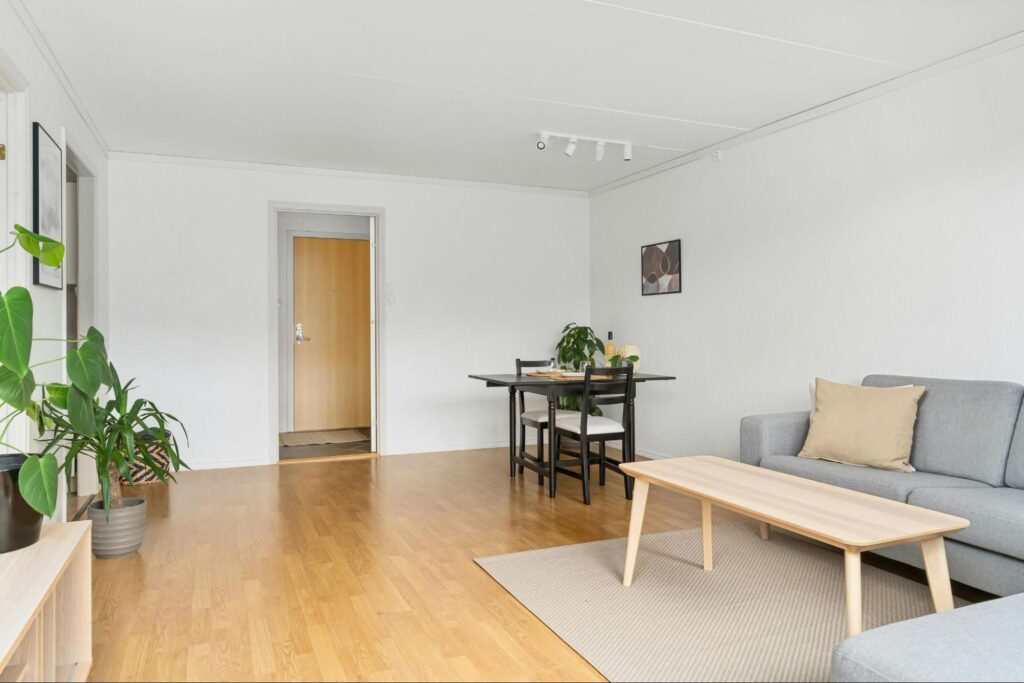
    Investing in high-quality flooring doesn’t just improve hygiene and maintenance—it creates a safer, more comfortable environment where animals can thrive. A thoughtful flooring solution contributes to smoother daily operations and enhances the overall atmosphere of your shelter.

    Contact The Flooring Masters for expert advice and explore a wide range of flooring options designed specifically for animal shelters. Our team will help you choose the perfect solution that balances durability, comfort, and ease of maintenance.

  • To Floor or Not to Floor Under Cabinets? Find Out Here

    To Floor or Not to Floor Under Cabinets? Find Out Here

    When planning a kitchen remodel, a common question arises: Should the flooring extend under the kitchen cabinets, or is it sufficient to stop around them?  

    This decision can significantly impact your kitchen renovation’s aesthetics, functionality, and overall cost. While some see flooring under cabinets as a seamless, polished approach, others consider it an unnecessary expense. This guide delves into the pros and cons to help you make the best choice for your kitchen design, budget, and future renovation plans.  

    Understanding the Costs and Benefits of Flooring Under Cabinets

    Cost Implications

    Choosing to floor under your kitchen cabinets can increase costs due to the need for additional materials and labour. For those with a tight budget, covering only visible areas might be the more economical option.  

    Resale Value Myths

    There is a perception that a continuous, seamless look enhances resale value. However, this largely depends on the buyer’s aesthetic preferences rather than being a guaranteed financial benefit.  

    Long-Term Durability

    Flooring under cabinets may provide extra stability, particularly for heavy cabinetry setups. However, most kitchens achieve sufficient stability using levelling techniques like shims, making the added expense less essential.  

    do you floor under kitchen cabinets

    The Pros of Flooring Under Cabinets – When It Makes Sense

    Seamless, High-End Look

    A continuous floor beneath your cabinets creates a cohesive, high-end appearance that appeals to design-focused homeowners. This is particularly beneficial in open-plan kitchens, where every detail contributes to the overall aesthetic.  

    Stability and Structure

    In kitchens with particularly heavy cabinetry or appliances, flooring underneath can provide an additional layer of stability. 

    Future Flexibility

    For homeowners who may remodel or reposition their cabinets later, flooring beneath them ensures changes can be made without the hassle of redoing the floor. However, this advantage is most relevant if you foresee significant kitchen alterations.

    do you floor under kitchen cabinets

    The Drawbacks of Flooring Under Cabinets – Is It Worth the Extra Complexity?

    Increased Material Costs

    Flooring beneath cabinets can substantially increase costs, particularly if using premium materials like hardwood or tile. If your aim is to save m

    oney, focusing on flooring only visible areas could be the better choice.  
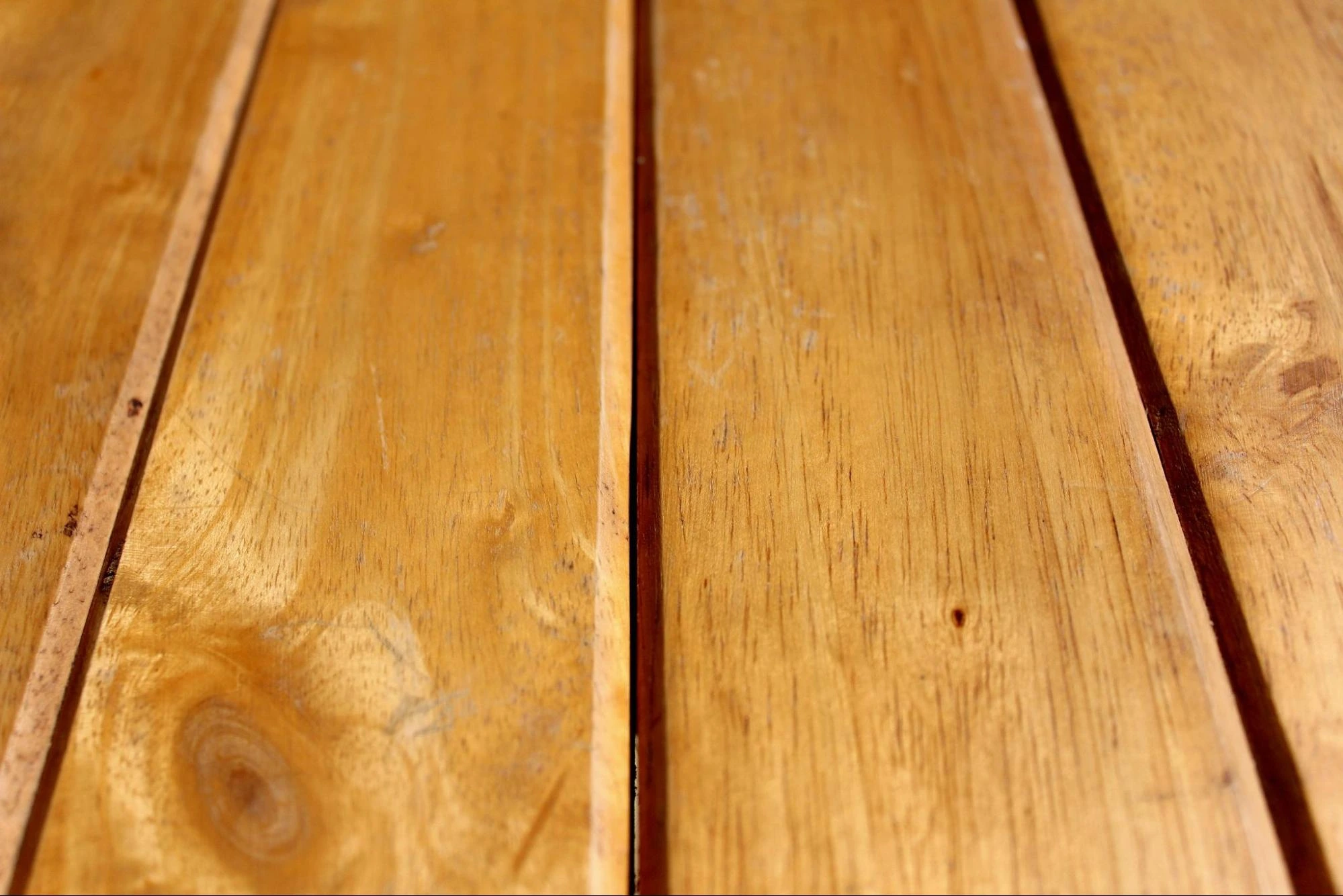
    Maintenance Challenges

    Flooring under cabinets can complicate access for maintenance tasks, such as plumbing or wiring repairs. If you anticipate frequent maintenance or future remodels, selective flooring may prove more practical.  

    Weight and Flooring Durability

    Materials such as vinyl or laminate may struggle under the weight of cabinets, potentially leading to denting or warping. In such cases, stopping the flooring at the cabinet edges may preserve its longevity.

    do you floor under kitchen cabinets

    Choosing the Right Flooring for Under Cabinets

    The choice of flooring material plays a key role in determining whether it should extend under your cabinets.  

    Best Choices 

    1. Hardwood: Durable and visually striking, though it may require sealing in wet areas to prevent water damage. 
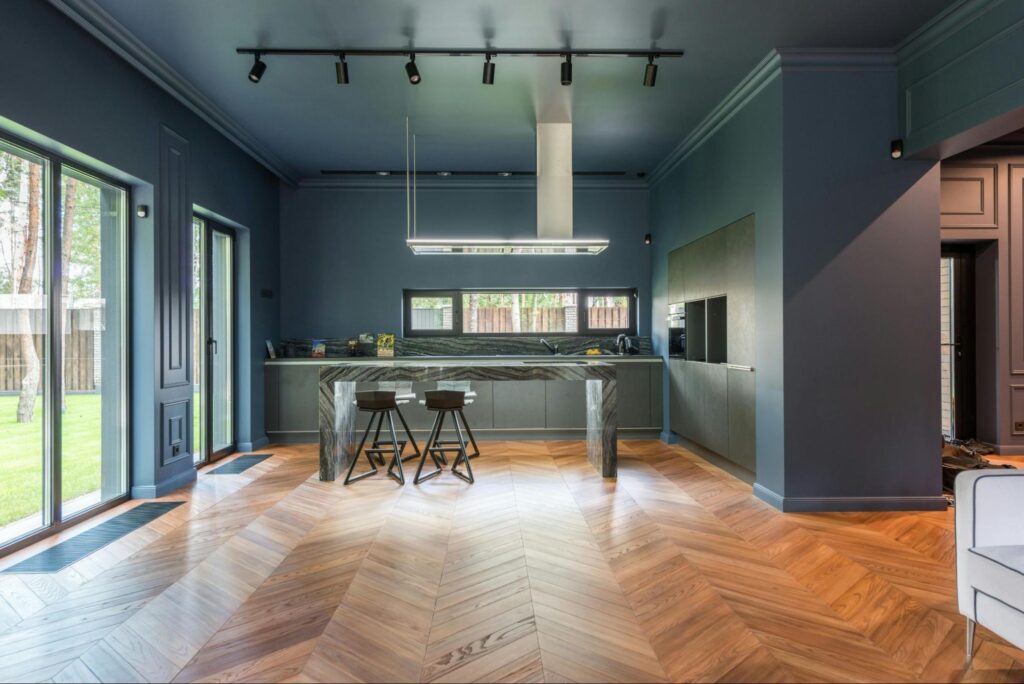
    2. Tile: Strong and stable but must be installed correctly to avoid cracking under heavy weight. 
    Engineered Wood: Offers a balance of stability and aesthetic appeal, making it a popular choice for kitchens. 


    Avoid for Cabinets 

    Vinyl and Laminate: These materials are prone to denting under cabinet weight and may warp in high-moisture areas. Flooring only around cabinets is often a better approach when using these materials.  

    At The Flooring Masters, we offer high-quality flooring options that blend durability with stunning design, helping you achieve your dream kitchen. 

    Conclusion: Deciding What’s Right for Your Kitchen

    When it comes to flooring under kitchen cabinets, the choice ultimately depends on your unique needs, budget, and future plans. A seamless look may be ideal for some, while others may prioritise cost savings or practicality.  

    Avoid blindly following design trends. Assess your kitchen’s design, functionality requirements, and the likelihood of future renovations to decide what best suits your lifestyle.  

    For expert advice and premium flooring options, explore the range available at The Flooring Masters – where quality meets style.