Author: Support Flooring

  • The Best Pet-Friendly Flooring for Homes with Dogs

    The Best Pet-Friendly Flooring for Homes with Dogs

    As a pet owner, you know the struggles all too well—scratched floors from enthusiastic paws, muddy prints tracking through your home, and the occasional accident that tests your patience and your flooring. These everyday challenges can turn the quest for the perfect flooring into a daunting task.

    Weather and lifestyle choices add their own set of demands while selecting the right flooring option for your home. You need a solution that not only stands up to the wear and tear of furry friends but also complements your home’s aesthetic.

    In this guide, we’ll delve into the best flooring options that balance durability with style, ensuring that your home remains practical and visually appealing. Relax, and read further to discover flooring solutions designed to handle life with dogs, so you can enjoy a beautiful space without compromising on functionality.

    What to Consider When Choosing Flooring for Dogs

    best flooring for living room with dogs

    1. Durability: Why Scratch and Wear Resistance Matters

    If you have a dog, you know that floors endure a lot of wear and tear. From playful scratches to the occasional mishap, you need flooring that stands up to the daily hustle. Look for materials that resist scratches and dents. This way, your floors will keep looking great, no matter how active your dog is.

    2. Water Resistance: The Importance of Waterproof Materials

    Dogs can be unpredictable, especially when it comes to spills and wet paws. Choosing flooring that can handle water is essential. Waterproof or water-resistant options will help prevent any damage from accidents, keeping your floors in top shape and making clean-up a breeze.

    3. Ease of Cleaning: Time-Saving Benefits

    Keeping your home clean is a big part of pet ownership. Flooring that’s easy to wipe or mop will save you time and effort. Opt for surfaces that handle pet hair, dirt, and occasional spills with minimal fuss, so you can spend more time enjoying your pet and less time cleaning up.

    4. Comfort for Pets: Ensuring Safety and Comfort

    Your dog’s comfort is important, too. Non-slip surfaces can prevent slips and falls, which is especially beneficial for older dogs or those with mobility issues. Choose flooring that offers good traction and cushioning to create a safer and more comfortable space for your furry friend.

    At The Flooring Masters, we give a wide range of flooring options to choose from. You can easily find out from our website. But to understand which flooring is the best choice if you have dogs at home, read further.

    The Best Flooring Choices for Dog-Loving Homes
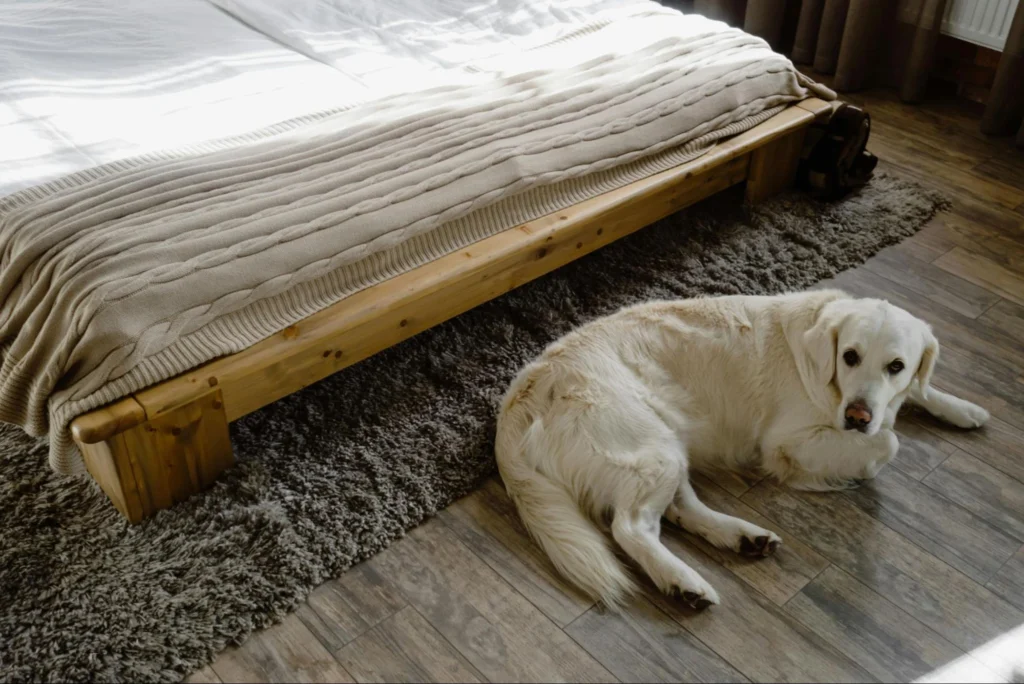
    best flooring for living room with pets

    Selecting the right flooring for a home with dogs involves balancing practicality with aesthetics. Here’s a rundown of some of the best flooring options for dog owners in the UK.

    Flooring Type Pros Cons Best for
    Luxury Vinyl Tiles (LVT) Scratch-resistant |
    Waterproof |
    Affordable |
    Mimics wood and stone finishes
    Less luxurious feel than hardwood Active dogs, homes with messy pups
    Laminate Resistant to scratches and scuffs |
    Easy to clean |
    More affordable than wood
    Slippery if not textured Budget-conscious dog owners seeking practicality
    Engineered Wood Better resistance than hardwood |
    Visually appealing
    Can still scratch and stain over time Those wanting a wood aesthetic with less maintenance
    Pet-Friendly Carpets Softer for pets |
    Modern carpets offer stain resistance
    Requires more cleaning |
    Avoid looped fibres
    Those wanting a wood aesthetic with less maintenance

    Each flooring type has its own set of benefits and drawbacks, so consider your specific needs and preferences when making a decision. Whether you need something durable, easy to clean, or simply comfortable for your pet, there’s a flooring option that fits your lifestyle.

    At The Flooring Masters, you’ll find an extensive selection of flooring choices that complement your style while meeting the demands of your four-legged friends. We also provide free samples to help you find a suitable option for your flooring. 

    Which Flooring Options to Avoid?

    what is the best flooring for pets

    During the selection process, it’s just as important to know which options to steer clear of. Certain types of flooring might look appealing but can pose problems when shared with dogs. Here’s a closer look at what floors to avoid, to ensure a more comfortable and practical environment for both you and your furry friend.

    Solid Hardwood Flooring

    Solid hardwood flooring shows elegance and timeless appeal, but it’s not the most practical choice for homes with dogs. This type of flooring is highly susceptible to scratches, dents, and stains from accidents. Even with careful maintenance, solid hardwood can quickly show signs of wear in a pet-heavy household. 

    Additionally, spills and accidents can seep into the wood, causing long-term damage and requiring costly repairs. If you love the look of wood but need something more durable, consider alternatives that offer similar aesthetics with added resilience.

    Loop Carpets

    Loop carpets may seem like a cosy option, but they can create problems for pet owners. The loops in these carpets can catch on pets’ claws, leading to potential discomfort and damage for your dog, as well as wear and tear on the carpet itself. 

    Furthermore, looped fibres can make cleaning pet hair and debris more challenging, which adds to the maintenance effort. For a more pet-friendly flooring solution, opt for carpets with cut pile fibres or those specifically designed to be durable and easy to clean.

    Keeping these pitfalls in mind will help you avoid costly mistakes and ensure you select flooring that stands up to the demands of a pet-friendly home. 

    Some Pet-Friendly Flooring Trends You Should Know About

    These innovative options not only enhance the look of your home but also improve functionality and safety for your furry friends. Some of these are:

    Non-Slip Flooring

    • One of the standout trends in pet-friendly flooring is the rise of non-slip surfaces. Textured and non-slip flooring is designed to provide better traction, which is especially beneficial for senior dogs or those with mobility issues. 
    • By reducing the risk of slips and falls, non-slip flooring helps create a safer environment for pets navigating around the house. 
    • Both laminate and luxury vinyl tiles (LVT) have embraced this trend, offering options that combine practical slip resistance with stylish designs. These floors are not only easier on your pet’s paws but also contribute to overall home safety.

    Sustainable Flooring Options

    • Eco-friendly flooring is gaining popularity for its combination of sustainability and pet-friendliness. Green flooring materials, such as bamboo, recycled wood, and natural linoleum, are becoming more accessible and offer several advantages. 
    • These sustainable options are crafted to be durable, easy to clean, and resistant to damage from pets. They also contribute to a healthier indoor environment by reducing the use of harmful chemicals. 
    • By choosing sustainable flooring, you’re not only making a responsible choice for the planet but also investing in materials that can handle the demands of a lively household.

    Finding the Best Fit for You and Your Dog

    Selecting the right flooring requires considering your dog’s breed, activity level, and any specific needs they might have. Each flooring option has its own set of benefits and limitations, so reflect on what aspects are most important for your home. Whether you prioritize durability, ease of cleaning, or comfort for your pet, finding the right flooring can enhance both your home’s aesthetics and functionality.

    If you’re still uncertain about which flooring option is best for your home, take advantage of the free samples and expert advice available at The Flooring Masters. Our team is ready to help you find the perfect flooring that combines style, durability, and comfort for both you and your furry friend.

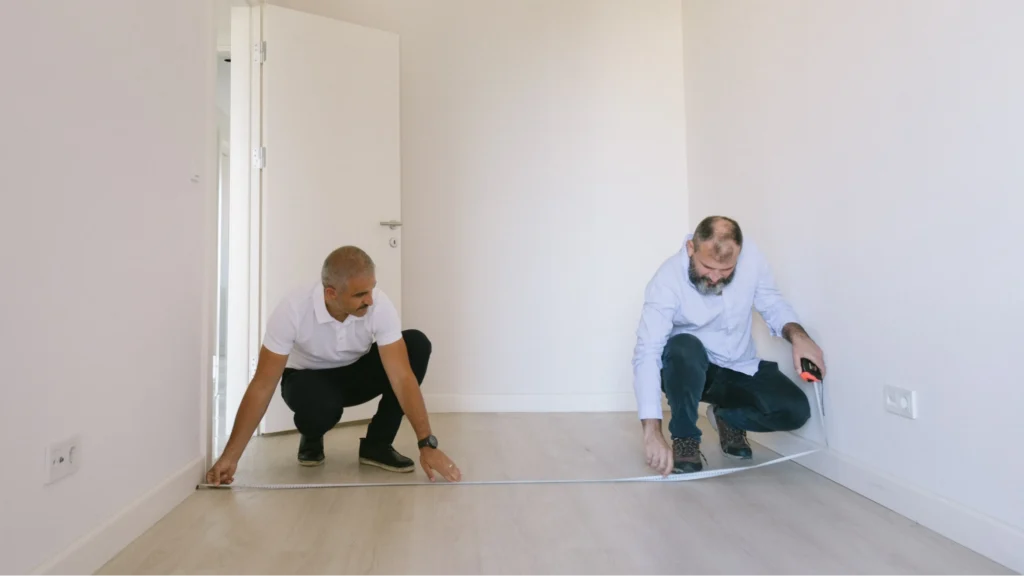
  • How to Measure a Room for Flooring in Meters: Simple Steps

    How to Measure a Room for Flooring in Meters: Simple Steps

    Think back to when you last tackled a home project and felt a bit overwhelmed—like measuring your room for new flooring. It might seem like a small detail, but getting it right is crucial. A misstep here can lead to extra costs or delays, which is the last thing anyone wants when they’re excited about a new floor.

    We know how daunting it can be, which is why this guide is to help you navigate the process smoothly. We’ll break down each step with clear, practical tips and simple instructions. Whether you’re a DIY enthusiast or just looking to get the measurements right before calling in the pros, this guide will make sure you’re prepared and confident. By the end, you’ll be ready to tackle your flooring project with ease.

    Why Accurate Measurement is Important

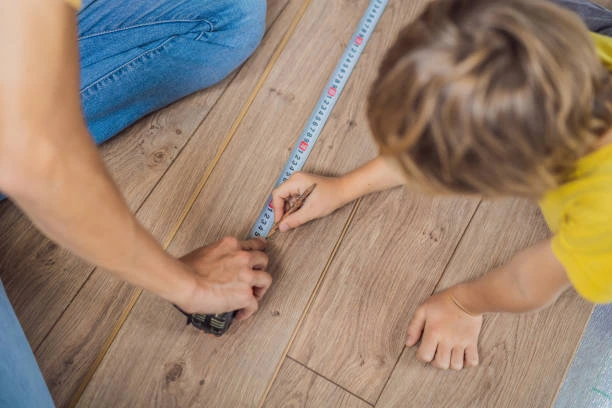
    how to measure a room for laminate flooring

    One of the most crucial steps when planning to install new flooring is taking accurate measurements. Precision in this process can make all the difference between a smooth, cost-effective installation and a frustrating, expensive one. Let’s explore why accurate measurements matter and how you can avoid common pitfalls.

    Importance of Precision

    Accurate measurements ensure that you order the right amount of flooring material for your project. Miscalculating can lead to overordering, which means spending more than necessary on extra material. On the other hand, underordering results in delays, as you may need to place additional orders, which can incur extra shipping costs. Both scenarios can disrupt your project timeline and budget.

    Understanding Different Flooring Types

    Different flooring types—whether it’s planks, tiles, or carpets—require specific measurement techniques. For instance, engineered wood planks may be sold by the square metre, while carpets may come in rolls. Knowing the type of flooring you plan to use is essential when measuring your space. This allows you to plan accordingly for any cutting or trimming that might be necessary to achieve a perfect fit.

    Essential Tools for Measuring a Room

    To achieve precise measurements, having the right tools at hand is critical. Let’s take a look at the must-have items for measuring your room accurately.

    Must-Have Tools

    1. Tape Measure: A classic tool for measuring distances.
    2. Laser Measure: Ideal for quick, accurate measurements, especially in larger spaces.
    3. Pencil and Notepad: Essential for jotting down measurements to avoid forgetting any figures.
    4. Calculator: Handy for making any calculations on the go, ensuring you don’t miscalculate the total area.

    Why These Tools Matter

    Each of these tools serves a purpose in making the process easier and more accurate. For example, a tape measure allows for flexibility when navigating tight spaces, while a laser measure provides precise readings over long distances. Writing down your measurements ensures nothing is forgotten or misremembered, while a calculator ensures your square meterage is spot on.

    Step-by-Step Guide to Measuring Your Room

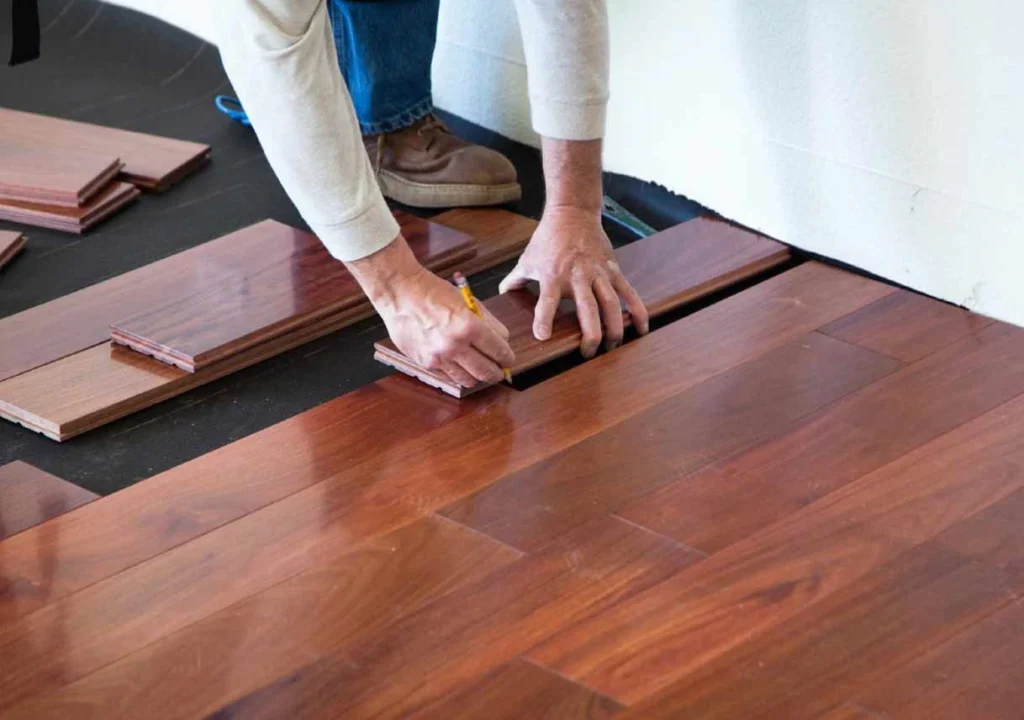
    how to measure a room for engineered wood flooring

    Taking the right steps is key to getting accurate measurements for your flooring. Here’s a simple, step-by-step guide that’ll make the process straightforward and manageable.

    Step 1: Prepare Your Space

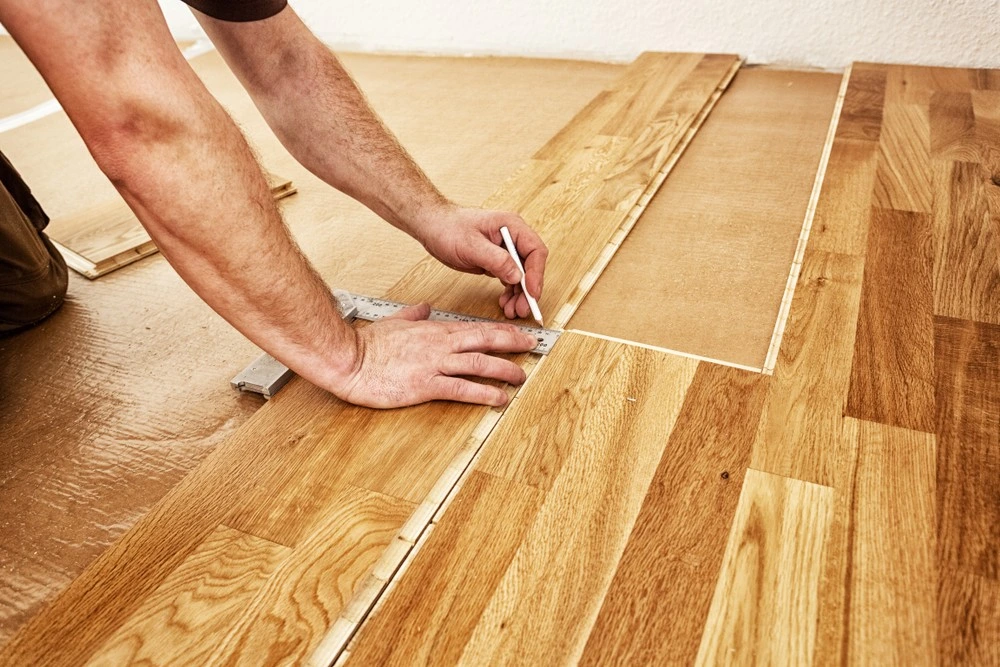
    Start by decluttering the room to ensure you have a clear view of the walls and floor. Move any furniture that could obstruct the measurement process. This will give you the most accurate readings and make the process easier.

    Step 2: Measuring Standard Rooms

    For square or rectangular rooms, measuring is relatively simple. Here’s what to do:

    1. Measure the length of the room.
    2. Measure the width of the room.
    3. Multiply these two numbers together to get the total area in square metres.

    For example, if the room is 5 metres long and 4 metres wide:

    Length (m) Width (m) Total Area (m²)
    5 4 20

    Step 3: Measuring Irregularly Shaped Rooms

    For irregularly shaped rooms, such as L-shaped spaces or rooms with alcoves, break the room into smaller, rectangular sections. Measure each section separately, then add the areas together.

    For instance:

    Section Length (m) Width (m) Area (m²)
    A 3 4 12
    B 2 2 4
    Total Area 16 m²

    This method ensures you cover every part of the room without missing any small areas.

    Step 4: Accounting for Waste and Extra Material

    It’s always a good idea to add 5-10% to your total measurement to account for waste, cutting errors, and potential future repairs. This extra material will save you from having to reorder small amounts later on.

    For example, if your total room measurement is 20m², an additional 10% would mean ordering 22m² to ensure you have enough material.

    Using Measurement Calculators and Conversion Charts

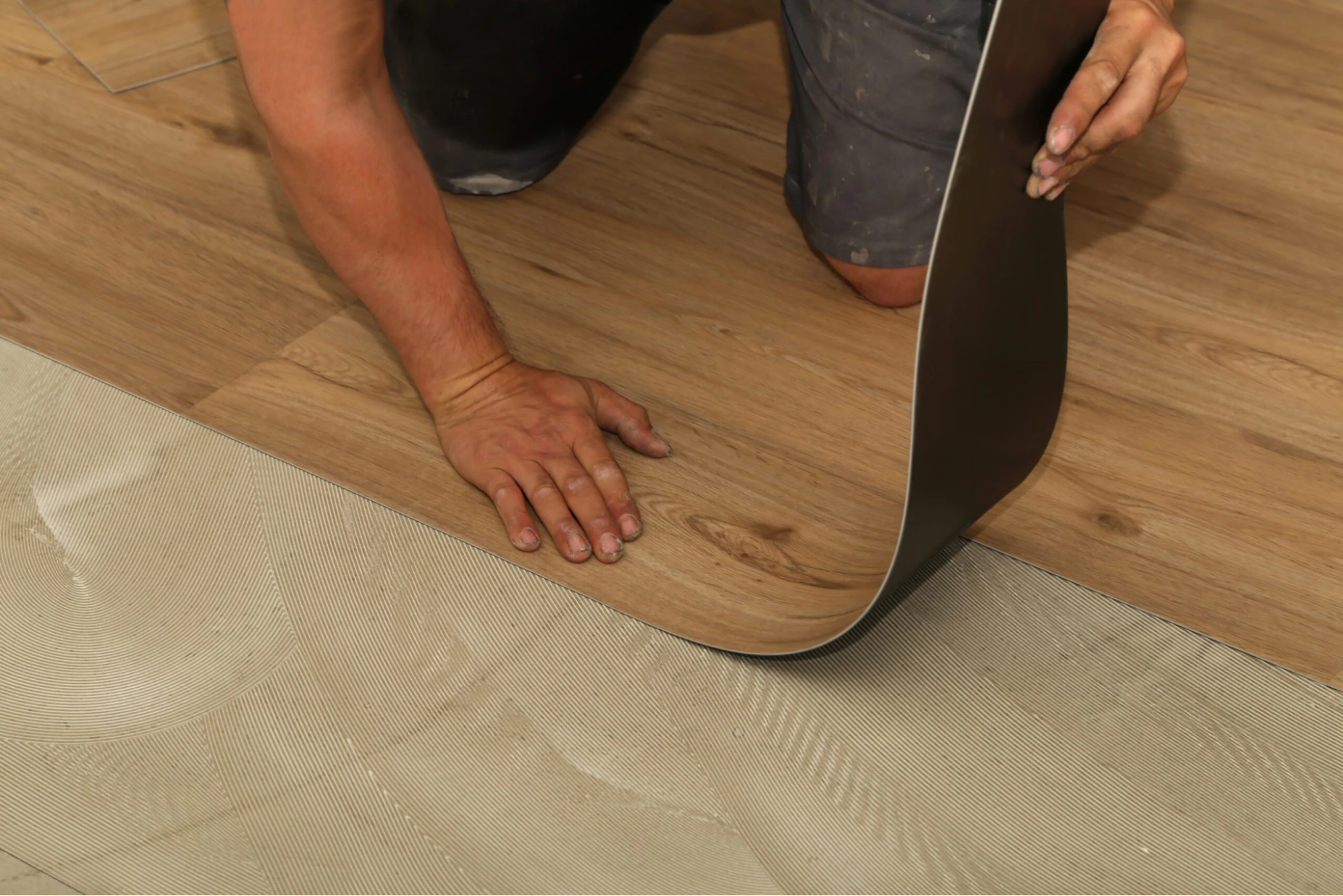
    how to measure a room for vinyl flooring

    How to Use Online Flooring Calculators

    Online flooring calculators are helpful tools for double-checking your measurements. Simply input your room’s length and width, and the calculator will determine the area for you. These tools are especially useful if you are working with multiple rooms or irregular shapes, as they can save you the hassle of manual calculations.

    Here are a few online calculators that can help with room flooring calculations:

    1. Omni Flooring Calculator: This simple tool allows users to input room dimensions (length and width) to calculate the square footage required for flooring. You can also add a waste factor to ensure you purchase enough material. Additionally, the calculator estimates the cost based on the price per square foot of your chosen material. 
    2. MeasureSquare Flooring Calculator: This more advanced tool helps calculate the amount of flooring material needed for rooms of various shapes, including stairs. It supports a wide range of flooring types such as hardwood, laminate, carpet, and vinyl. It also provides layout and waste estimates, making it suitable for both DIYers and professionals.

    Both calculators are user-friendly and can help you accurately estimate the amount of flooring you need based on your room’s dimensions.

    Metric vs. Imperial Conversions

    If you’re working with different units, it’s essential to know how to convert between metric and imperial measurements. Here’s a quick conversion table for reference:

    Metric (m) Imperial (Ft)
    1 metre 3.28 feet
    5 metre 16.40 feet
    16.40 feet 32.81 feet

    Having this handy can save you time and confusion when communicating with suppliers or contractors using different measurement systems.

    Common Mistakes to Avoid

    Even the most experienced DIYers can make mistakes when measuring. Avoid these common errors for the best results.

    • Overlooking Room Features: When measuring your room, be sure to account for doorways, built-in furniture, and closets. These areas can affect the total surface area, so it’s important to include them in your final calculations to avoid underordering materials.
    • Not Measuring Each Section Separately: Rooms may not always be perfectly uniform, especially in older buildings. Measure each section of the room separately for the most accurate results.
    • Neglecting to Double-Check Measurements: Always double-check your measurements to avoid costly errors. Even a small mistake can result in ordering too much or too little material.

    Your Next Steps After Measuring

    Now that you’ve learned the importance of precise measurements and how to do it correctly, you’re ready to move forward with your flooring project confidently. Here’s a quick recap of the key points:

    • Accurate measurements help avoid extra costs and delays.
    • Use the right tools, follow step-by-step guidance, and always account for waste.
    • Double-check your results using online calculators for peace of mind.

    With your measurements in hand, it’s time to find the perfect flooring for your home. At The Flooring Masters, we offer a wide range of high-quality flooring options, designed to fit any room and style. Whether you prefer engineered wood or something else, our expert team can help you select the best choice based on your room’s unique dimensions.

  • Thicker is Better? The Truth About Engineered Wood Flooring Thickness

    Thicker is Better? The Truth About Engineered Wood Flooring Thickness

    During the process of choosing the perfect flooring, we often consider factors like style, colour, and finish. But how often do we stop to think about why thickness matters? 

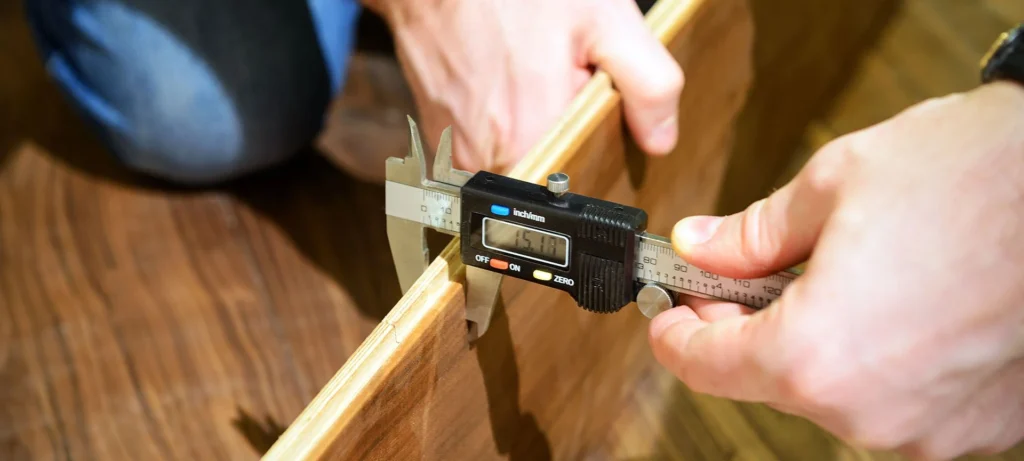
    If you’re like most people, you might assume it’s just a minor detail. However, the thickness of your flooring plays a crucial role in everything from durability to how it feels underfoot and even its compatibility with underfloor heating systems. Whether you’re planning a high-traffic commercial space or creating a cozy atmosphere at home, understanding these nuances can make all the difference in the long-term satisfaction of your investment. 

    Even if you’re a DIY enthusiast looking to spruce up your living room or a homeowner planning a major renovation, understanding the different thickness options is essential. In this guide, we’ll explore the factors that influence thickness, the most popular options available, and how to choose the right thickness for your specific needs. 

    Factors Affecting Thickness

    When selecting the ideal thickness for your flooring, several factors can influence your decision. Below are some key considerations that may affect the thickness you choose.

    thickness of engineered wood flooring

    1. Durability: The Role of Thickness in Longevity

    The thickness of engineered wood flooring directly influences its durability. Thicker flooring options are more robust, making them better suited for areas with heavy foot traffic. They can withstand daily wear and tear, ensuring that your floor remains in excellent condition for years to come. If you’re looking for flooring that can handle the demands of an active household or commercial space, opting for a thicker material is a wise choice.

    2. Refinishing Potential: Extending the Life of Your Floor

    One of the key advantages of engineered wood flooring is its ability to be sanded and refinished. However, this depends largely on the thickness of the top hardwood layer. Thicker flooring allows for more sanding cycles, which means you can refinish the floor multiple times over its lifespan. This not only extends the life of your flooring but also allows you to refresh its appearance as trends or your tastes change.

    3. Underfloor Heating Compatibility: A Balancing Act

    Underfloor heating is becoming increasingly popular in modern homes, but it’s essential to consider how the thickness of your flooring affects heat transfer. Thicker flooring may reduce the efficiency of underfloor heating systems, as it can act as an insulator. Therefore, if you’re planning to install underfloor heating, you’ll need to strike a balance between thickness and heat compatibility. Consulting with a professional can help you determine the best option for your specific needs.

    4. Aesthetic Preferences: Impact on Look and Feel

    The thickness of your flooring also plays a role in its visual appeal. Thicker boards often give a more substantial and luxurious feel, adding depth and character to a room. On the other hand, thinner boards may offer a sleeker, more modern appearance. Your choice will depend on the aesthetic you’re aiming for, as well as practical considerations like room height and door clearance.

    If you’re exploring various wood flooring options and need different thickness choices, be sure to visit our website. But before that doing, have a look at the comparison table we have put together to understand various thickness options. 

    Popular Thickness Options

    When choosing flooring, the thickness plays a significant role in determining its durability, comfort, and suitability for various applications. Below is a table outlining the most popular thickness options, along with their key features and ideal uses.

    Thickness Features Best Suited For
    14/3mm & 15/4mm Balanced durability and refinishing potential | Compatible with underfloor heating Homes with moderate foot traffic |
    Rooms with underfloor heating
    5/8 inch (15mm) Greater durability |
    Suitable for higher foot traffic areas
    High-traffic areas such as hallways |
    Commercial spaces
    3/4 inch (19mm) Maximum durability and stability |
    Allows for multiple refinishing cycles
    High-end residential spaces |
    Areas requiring substantial longevity
    7/8 inch (22mm) Exceptional durability |
    Ideal for very heavy-duty applications
    Commercial spaces |
    High-end residential settings requiring maximum longevity

    Choosing the Right Thickness

    When choosing the thickness of your engineered wood flooring, it’s essential to consider your specific needs. Think about the level of foot traffic in the area, your budget, the aesthetic you’re aiming for, and whether you plan to install underfloor heating. For example, high-traffic areas may benefit from thicker flooring, while spaces with underfloor heating may require a thinner option.

    Selecting the right thickness can be a complex decision, especially when balancing factors like durability, refinishing potential, and heating compatibility. Consulting with a flooring expert can provide you with personalised recommendations tailored to your specific situation. 

    At The Flooring Masters, our experienced team is dedicated to helping you choose the ideal thickness for your flooring, ensuring optimal results tailored to your needs. If you’re unsure which thickness is right for you, reach out to us for expert advice and discover the perfect flooring solution for your home.

  • Luxury Vinyl vs. Engineered Wood Flooring: Which Is the Better Choice?

    Luxury Vinyl vs. Engineered Wood Flooring: Which Is the Better Choice?

    The flooring you choose will set the tone for your entire home, making it a decision that can feel overwhelming. You’re not just picking a material; you’re choosing the foundation for the space where you’ll make countless memories. The challenge? Navigating through endless options and figuring out which one is truly right for your lifestyle.

    Whether you’re drawn to engineered wood’s natural beauty or luxury vinyl’s practicality, both have their unique strengths—but which one will be the perfect fit for your home? The last thing you want is to invest in flooring that doesn’t live up to your expectations, either in durability or style.

    In this guide, we’ll walk you through the essential factors that differentiate these two popular choices. By breaking down the aesthetics, longevity, and overall value, we’ll help you make a decision you’ll be confident in. After all, your home should be a reflection of your taste and needs—let’s make sure your flooring choice is one you’ll love for years to come.

    Understanding the Basics

    Before diving into the details, it’s essential to grasp the core differences between engineered wood and luxury vinyl flooring. Here’s a quick breakdown:

    What is Engineered Wood Flooring?

    Engineered wood flooring is a versatile option that combines the authentic look of real hardwood with enhanced stability. It features a top layer of genuine hardwood, such as oak, maple, or cherry, bonded to layers of plywood or high-density fibreboard (HDF). This construction makes it more resistant to moisture and temperature fluctuations compared to solid hardwood. For those seeking something unique, options like bamboo and teak are also available, offering distinctive aesthetics. For more detailed insights, you can refer to our blog on engineered wood flooring. 

    What is Luxury Vinyl Flooring?

    Luxury vinyl flooring is a highly durable synthetic material designed to replicate the appearance of natural wood, stone, or ceramic. It’s known for its resilience, water resistance, and ease of maintenance, making it suitable for a variety of spaces. The two main types are luxury vinyl planks (LVP), which mimic the look of wood, and luxury vinyl tiles (LVT), which are designed to resemble stone or ceramic. Explore our tough/resistant collection and see for yourself.

    Aesthetics: Beauty in the Eye of the Beholder

    When it comes to appearance, both engineered wood and luxury vinyl offer unique advantages. Given below is a comparison which will make you understand which features suit best to engineered wood flooring and luxury vinyl.

    Feature Engineered Wood Luxury Vinyl
    Natural vs. Synthetic Authentic wood appearance Versatile design mimicking wood, stone, etc.
    Colour and Texture Natural wood tones and textures Wide range of colours and textures
    Authenticity vs. Mimicry Real wood feel and warmth High-quality visual mimicry but synthetic touch

    Are They Built to Last?

    vinyl vs engineered wood flooring
    Durability is key when selecting flooring, especially in spaces that experience heavy foot traffic or are prone to spills and scuffs. Choosing a floor that can withstand the demands of daily life without compromising on style is essential for long-term satisfaction. Here’s how each option stands up to wear and tear:

    Scratch Resistance:

    • Engineered Wood: May scratch, but can be refinished.
    • Luxury Vinyl: Highly resistant to scratches, ideal for high-traffic areas.

    Water Resistance:

    • Engineered Wood: Resistant to moisture, but not waterproof.
    • Luxury Vinyl: Virtually waterproof, perfect for kitchens and bathrooms.

    Stain Resistance:

    • Engineered Wood: Requires careful cleaning to avoid stains.
    • Luxury Vinyl: Easily wipes clean, highly stain-resistant.

    Installation and Maintenance: Effort vs. Ease

    The installation process and ongoing maintenance can significantly affect your flooring choice. Choosing flooring that aligns with your ability to manage installation and maintenance will ensure long-term satisfaction and performance. Have a look at the table down below to understand the metrics of installation and maintenance when it comes to engineered wood flooring and luxury vinyl flooring. 

    Feature Engineered Wood Luxury Vinyl
    DIY or Professional Installation Often requires professional installation DIY-friendly, especially click-and-lock systems
    Cleaning and Care Requires specific wood cleaners, avoid moisture Low-maintenance, simple cleaning routine
    Refinishing and Replacement Can be refinished a few times Cannot be refinished; replace if damaged

    Weighing the Investment: What Are the Costs?

    Cost considerations include both the initial investment and long-term expenses. It’s important to account for not only the upfront costs of purchasing and installing the flooring but also the ongoing costs related to maintenance, repairs, and potential replacement. Evaluating these factors helps ensure that your flooring choice is both budget-friendly and cost-effective over time. 

    Cost Factor Engineered Wood Flooring Luxury Vinyl Flooring
    Material Cost £40 – £100 per square metre £20 – £50 per square metre
    Installation Cost £20 – £35 per square metre (professional) £10 – £20 per square metre (DIY-friendly)
    Total Upfront Cost £60 – £135 per square metre £30 – £70 per square metre
    Maintenance Cost £50 – £100 every 5-10 years (refinishing) £0 – £50 every 10-15 years (replacement)
    Lifespan 20 – 30 years 10 – 20 years
    Total Long-Term Cost £120 – £235 per square metre (over 30 years) £30 – £120 per square metre (over 20 years)
    Return on Investment (ROI) Typically higher, especially in upscale homes Moderate, better for cost-effective projects

    If you are eager to know more budget options then visit our website to explore the different price ranges available for engineered wood flooring and luxury vinyl tiles. 

    Making the Right Choice: Tailoring to Your Personal Preferences

    lvt vs engineered wood flooring

    When it comes to selecting the perfect flooring, it’s not just about the material—it’s about how well it fits your lifestyle, aesthetic goals, and budget. Here’s how to make the best choice for your unique needs:

    1. Lifestyle Considerations:

    Busy, Active Households:

    If your home is bustling with activity—whether it’s kids running around or pets with sharp claws—luxury vinyl’s exceptional durability and scratch resistance might be your best bet. It’s designed to withstand the rigours of daily life while maintaining its appearance.

    Seeking Elegance and Warmth:

    For those who value the rich, natural beauty and warmth that only real wood can provide, engineered wood is the way to go. It brings a sense of timeless elegance to any room, making it an ideal choice for spaces where style is a priority.

    2. Design Preferences:

    Classic or Rustic Ambiance:

    If your home exudes a traditional, rustic, or classic charm, engineered wood flooring will complement it beautifully. The authentic wood grains and natural variations add depth and character that are hard to replicate.

    Modern or Eclectic Spaces:

    For homes with a more contemporary or eclectic vibe, luxury vinyl offers a wide array of designs, from sleek and modern to bold and creative. Its versatility allows you to experiment with different styles, patterns, and colours, making it a great option for

    3. Budgetary Considerations:

    Willing to Invest

    If you’re prepared to invest in flooring that offers long-term value and potential ROI, engineered wood is a smart choice. While it may come with a higher upfront cost, its ability to be refinished and its impact on home value make it a worthwhile investment.

    Budget-Conscious:

    For those watching their wallet, luxury vinyl provides a stylish and durable solution without breaking the bank. It’s a cost-effective option that doesn’t compromise on quality, offering a practical balance between affordability and aesthetic appeal.

    Finding Your Perfect Floor: A Final Reflection

    Your choice between engineered wood and luxury vinyl should reflect your lifestyle, budget, and design preferences. If you’re looking for elegance and don’t mind the extra upkeep, engineered wood is an excellent choice. For those prioritising durability and ease of maintenance, luxury vinyl could be the best option.

    At The Flooring Masters, we provide an extensive range of premium engineered wood and luxury vinyl flooring options that seamlessly blend style, durability, and sustainability. Visit our website to explore free samples and take advantage of our expert advice services to help you make the perfect choice for your home.

  • Glues That Get It Done: Top Picks for Engineered Wood Flooring

    Glues That Get It Done: Top Picks for Engineered Wood Flooring

    Imagine spending time and money installing a beautiful new floor, only to have it start lifting or warping within months because the wrong glue was used. This is not only frustrating but also costly to fix.

    We’ve all been there—making a decision that seemed small at the time, only to realise later how much it truly mattered. Whether it’s assembling a flat-pack wardrobe with missing screws or patching up a leaky pipe with tape, the importance of using the right materials becomes crystal clear when things go wrong.

    In this guide, we’re here to help you avoid those pitfalls. We’ll walk you through the best glue options for engineered wood flooring, breaking down what makes each one stand out. Whether you’re a seasoned DIYer or just starting, this blog will give you the insights you need to make an informed decision. After all, when your floor is on the line, it’s worth getting the bond that lasts.

    Avoid Sticky Situations: Why Choosing the Right Glue Matters

    glue for engineered wood flooring

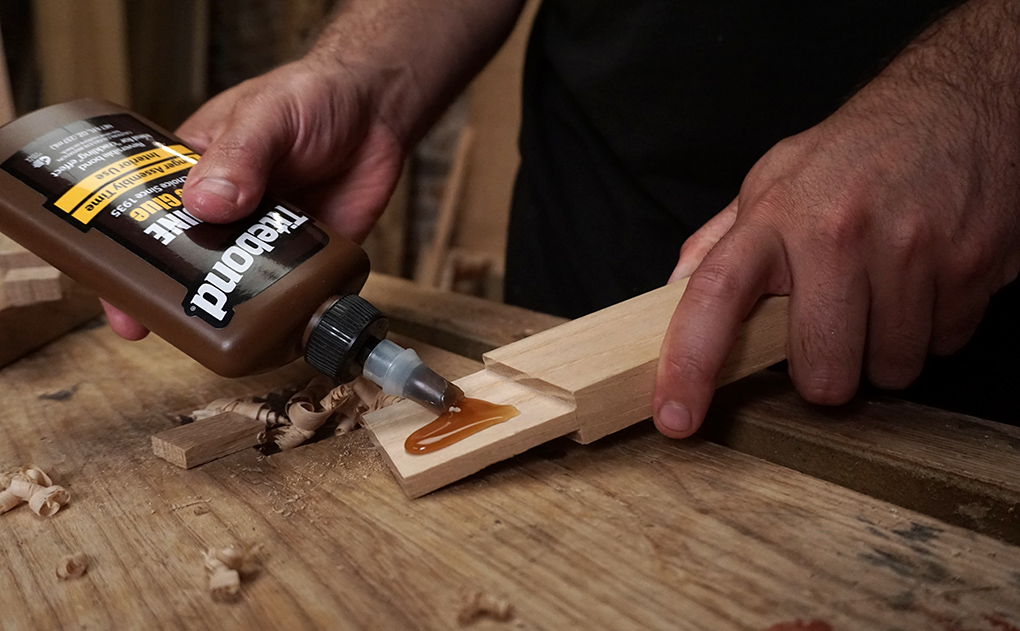
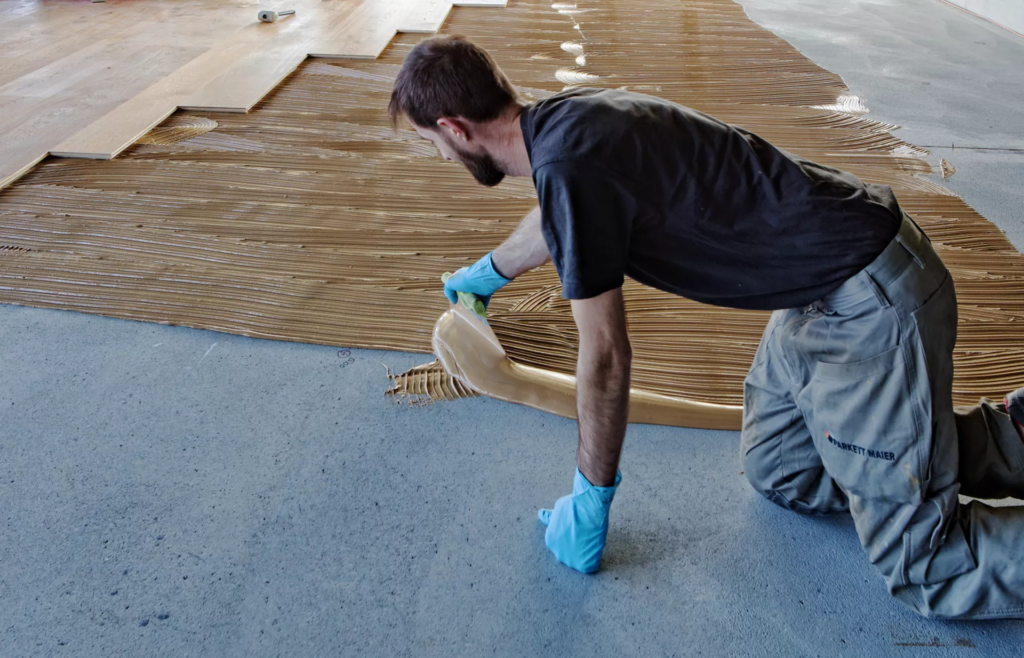
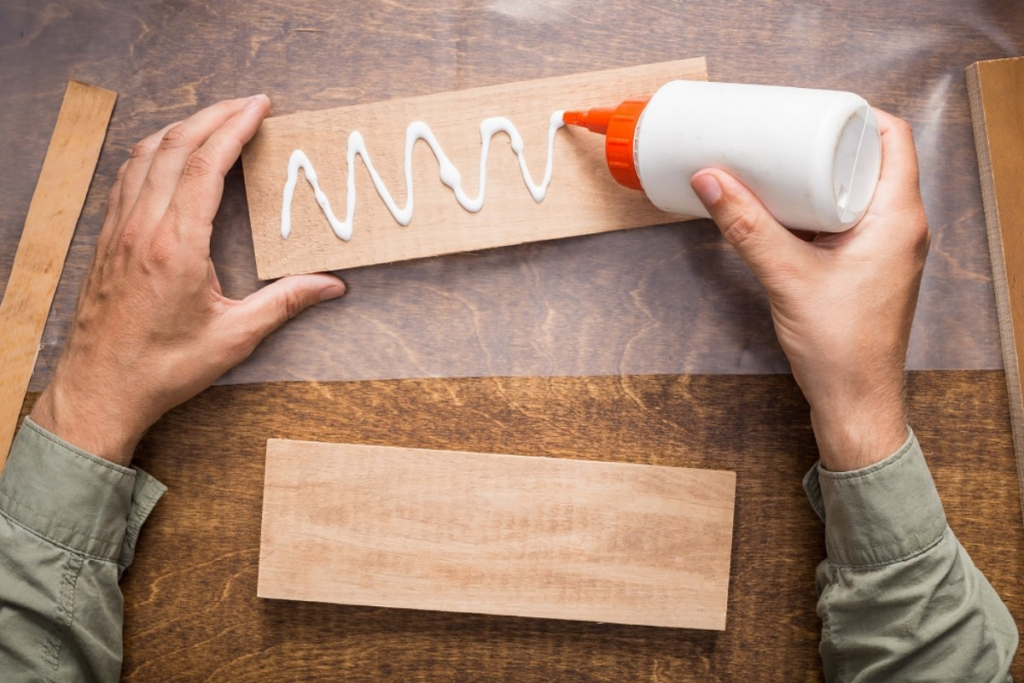
    While it may seem minor, the glue you select plays a critical role in ensuring a durable and secure installation. The right adhesive will effectively bond the flooring to the subfloor, accommodating natural wood movement while resisting environmental factors such as temperature changes and humidity.

    On the other hand, using substandard or inappropriate adhesives can lead to a range of problems. These include warping, gaps forming between planks, or even the complete failure of the flooring system. The wrong glue can cause the wood to expand or contract more than it should, leading to costly repairs or replacements down the line.

    Consequences of Poor Choices

    Choosing the wrong adhesive can have significant consequences. Here are some of the most common issues that can arise from using inferior or unsuitable glues.

    Issue Description
    Warping If the adhesive doesn’t bond well, the flooring may start to warp, particularly in areas with fluctuating humidity levels.
    Gaps Poor adhesion can result in gaps forming between planks as they move independently, compromising the overall integrity of the floor.
    Flooring Failure In extreme cases, the entire flooring system could fail, with planks coming loose or detaching entirely from the subfloor.
    Costly Repairs The cost of fixing these issues can far exceed the initial savings made by opting for a cheaper or inappropriate glue.

    The takeaway? Invest in the right adhesive from the start to avoid these costly pitfalls.

    The Heavyweights: Top Contenders for the Best Glue


    Not all adhesives are created equal. When we talk about engineered wood flooring, some glues stand head and shoulders above the rest. Here’s a rundown of the top contenders, each offering unique features that make them suitable for different flooring needs.

    Glue Brand Adhesive Strength Drying Time Ease of Application Suitable Wood Types
    Bona R848 High Fast Easy All types, especially oak
    SikaBond-54 Very High Moderate Moderate Wide range, including exotic woods
    Mapei Ultrabond Eco High Quick Easy Suitable for most engineered woods

    Each of these adhesives is designed to offer a strong bond, but their drying times and ease of application can vary. People who follow eco-friendly practices can also use eco-friendly adhesives. Read further to know which products can you use.

    The Green Glue Movement: Eco-Friendly Adhesives

    As awareness of environmental issues grows, more people are turning to eco-friendly adhesives. These glues are formulated with low levels of Volatile Organic Compounds (VOCs), which means they release fewer harmful chemicals into the air. This not only improves indoor air quality but also contributes to a healthier planet.

    Choosing eco-friendly adhesives doesn’t mean sacrificing performance. Many of these products are just as effective as their traditional counterparts. For instance, Mapei Ultrabond Eco is both environmentally friendly and offers excellent bonding capabilities, making it a favourite among eco-conscious consumers.

    Eco-Friendly Glues VOC’s Sustainability
    Bostik GreenForce Low Made with renewable resources
    SikaBond-54 Parquet Eco Very Low Certified by GreenGuard

    By opting for an eco-friendly glue, you can ensure a safer home environment while doing your part for the environment.

    All-in-One Solutions: Multi-Surface Adhesives

    Multi-surface adhesives offer an attractive option for those who value versatility. These glues are designed to work on various surfaces, not just engineered wood. This makes them popular among both DIY enthusiasts and professionals who appreciate the convenience of a one-size-fits-all solution.

    However, not all multi-surface adhesives are created equal. Some perform better on certain materials than others. Below are a few of the top-rated multi-surface adhesives and how they fare across different flooring materials:

    Adhesive Engineered Wood Laminate Vinyl Tile
    SikaBond-T55 Excellent Good Moderate Good
    Mapei Ultrabond Very good Excellent Good Very Good

    These adhesives are particularly useful for projects involving multiple types of flooring, saving you the hassle of switching between different products.

    Pound for Pound: Price vs. Performance

    best glue for engineered wood flooring

    When selecting an adhesive, cost is often a significant consideration. However, it’s important to remember that with adhesives, you often get what you pay for. Cheaper glues might save you money upfront, but they can lead to issues down the line that are far more expensive to fix.

    Let’s compare the cost-effectiveness of some top glues.

    Glue Brand Price Performance Best For
    Bona R848 £95 per 15 kg tub Excellent High-end Installations
    SikaBond-54 £70 per 13.4 kg tub Superior Heavy-duty use
    Mapei Ultrabond Eco £60 per 15 kg tub Very Good Budget Conscious Buyers

    While it might be tempting to opt for the cheapest option, investing in a superior product often pays off in the long run, offering better performance and longevity.

    Closing the Gap: Choose the Right Adhesive

    In summary, selecting the right adhesive is crucial for ensuring the long-term success of your engineered wood flooring installation. From understanding the role of glue to exploring top-rated options and eco-friendly alternatives, making an informed choice can save you time, money, and headaches down the road.

    Before making your final decision, consider all the factors discussed in this guide. Whether you’re prioritizing performance, sustainability, or budget, there’s an adhesive solution that fits your needs. However, beyond just the glue, the quality of the flooring you choose plays an equally vital role in ensuring a seamless and durable installation.

    At The Flooring Masters, we understand that the foundation of a successful installation lies in the flooring itself. That’s why we offer a curated selection of high-quality engineered wood flooring that pairs perfectly with the best adhesives on the market. 

    Remember, the right combination of quality flooring and adhesive doesn’t just hold your floor together—it ensures a lasting bond that stands the test of time. Explore our range of engineered wood flooring at The Flooring Masters and start your project with the best foundation possible.

  • The Best Finish for Engineered Wood Flooring You Must Know About

    The Best Finish for Engineered Wood Flooring You Must Know About

    Selecting the right finish for your engineered wood flooring is key to keeping it looking great and lasting long. 

    Different finishes offer various benefits, from glossy lacquers to natural oils and trendy smoked effects, each with its pros and cons. It’s not just about picking what looks good; it’s about choosing a finish that matches your lifestyle, enhances the wood’s natural beauty, and fits your budget.

    Think about how you use your space. If you have a busy household with kids or pets, you’ll want a finish that can withstand scratches and spills. On the other hand, if you’re more focused on achieving a particular aesthetic, you might prioritise a finish that brings out the rich tones and textures of the wood. Balancing durability with appearance is essential to making a choice that you’ll be happy with for years to come.

    In this guide, we’ll explain the different finishes available and help you find the perfect one for your needs. Whether you’re going for a sleek modern vibe or a classic, natural look, we’ll give you the tips and insights to ensure your floors look fantastic and stand up to daily life. Let’s explore how to make your engineered wood flooring a beautiful and lasting part of your home.

    Why Your Floor’s Finish Matters

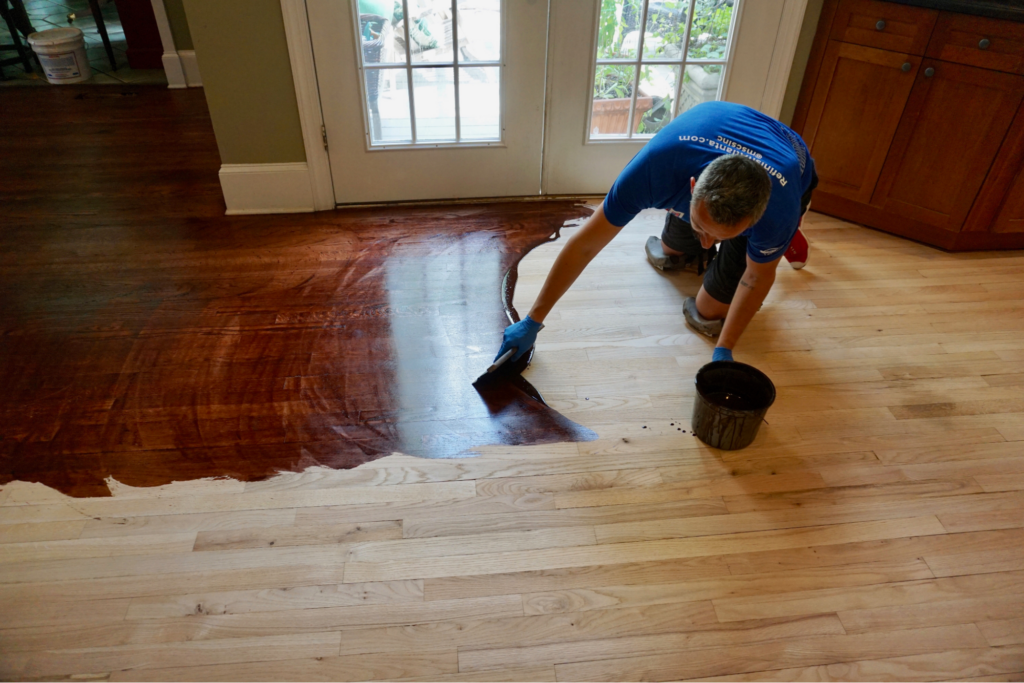
    The finish on your flooring is more than just a final touch—it plays a significant role in determining the longevity and overall look of your floors. A well-chosen finish can enhance the natural beauty of the wood, protect it from damage, and even influence how easy it is to clean and maintain. 

    On the flip side, an unsuitable finish might diminish the wood’s appeal or fail to provide the necessary protection, leading to premature wear and tear. Understanding the pros and cons of each finish type will help you make a choice that not only looks great but also supports the long-term performance of your flooring.

    Aspect Pros Cons
    Enhancing Beauty Brings out the wood’s natural grain and color. Some finishes may alter the wood’s original tone.
    Durability Protects against scratches and wear. Certain finishes may require more frequent upkeep.
    Maintenance Low-maintenance options are available. Some finishes need regular reapplication.
    Cost Affordable options like lacquer. Natural finishes like oil can be pricier over time.

    But what exactly are the different finishes available, and how do they compare? Let’s dive deeper into the two most popular options: lacquer and oil finishes, and explore how each can impact the look and longevity of your floors.

    Lacquer vs. Oil: A Dive Into Different Flooring Finishes

    choose the bets finish for engineered wood flooring

    The most common finishes for engineered wood flooring are lacquered and oiled. Both offer distinct advantages depending on your needs, but understanding their differences is key to making the right choice. We have also added two other finishes, which also provide subsequent results. Below, we’ve compared the popular finishes to help you determine which one best suits your flooring.

    Feature Lacquer Finish Oiled Finish Brushed and Lacquered Finish Smoked and Satin Finish
    Appearance Available in gloss and matte, providing a sleek and polished look or a modern, understated finish. Offers a natural, warm look that enhances the wood grain. Combines a textured, brushed look with a protective lacquer layer, offering a rustic yet refined appearance. Smoked finish adds depth and a darker, richer tone, while satin provides a subtle sheen between matte and gloss.
    Durability Highly durable and resistant to scratches, spills, and wear, making it ideal for high-traffic areas. Less durable than lacquer, but can be repaired easily. Suitable for lower-traffic areas. Highly durable due to the protective lacquer layer, suitable for high-traffic areas. Smoked finish is durable, and satin offers a middle ground between the durability of matte and gloss finishes.
    Maintenance Low maintenance; requires minimal upkeep over time. Requires regular reapplication to maintain protection and appearance. Low maintenance, similar to standard lacquered finishes, but with added texture. Requires occasional upkeep, especially the smoked finish, to maintain its rich tone. Satin is easier to maintain than gloss but more so than matte.
    Repairability Difficult to repair once damaged, often needing a complete reapplication. Easy to repair small areas without needing to redo the entire floor. More challenging to repair due to the textured surface combined with lacquer. Smoked finishes are harder to repair without affecting the colour consistency; satin is easier to touch up than gloss finishes.
    Cost Generally more affordable due to lower maintenance costs. Best for those who prefer a natural look, don’t mind the maintenance, and want a finish that ages beautifully. Generally, mid-range in cost, balancing the added texture with durable lacquer. Smoked finishes can be more expensive due to the treatment process; satin is moderately priced, similar to other non-glossy finishes.

    With a clearer understanding of the various finishes available, the next step is to consider the factors that will help you determine which finish is right for your specific needs. Understand what other things you should evaluate when selecting the best finish for your engineered wood flooring.

    Factors to Consider When Choosing the Best Finish for Your Engineered Wood Flooring

    Why a finish is important for your engineered wood flooring

    Selecting the right finish involves considering various factors beyond just appearance. Here’s what you need to think about to make the best choice:

    1. Lifestyle and Usage

    Your daily life plays a crucial role in determining the best finish for your floors.

    •  Foot Traffic: High-traffic areas like hallways or living rooms benefit from more durable finishes such as lacquer, while low-traffic spaces might prefer the softer, more natural feel of an oiled finish.

    • Pets or Children: Homes with pets or young children should consider finishes that are easy to clean and resistant to scratches, such as brushed and lacquered finishes.

    •  Maintenance: If you prefer a low-maintenance option, lacquer finishes might be your best bet. However, if you don’t mind the occasional upkeep, the warm look of an oiled finish can be worth the effort.

    Choosing the right finish also depends on the type of wood your flooring is made from and the look you want to achieve.


    2. Wood Type

    The type of wood you’ve chosen for your flooring can greatly impact which finishes will work best.

    •  Hardwood Finishes

    The type of wood you’ve chosen for your flooring can greatly impact which finishes will work best. Hardwoods, like oak, are naturally durable and can handle various finishes. This gives you more flexibility in your choice, whether you prefer a glossy lacquered finish for a polished look or an oiled finish to highlight the natural grain. The robust nature of hardwoods allows them to withstand different finish treatments, ensuring long-term performance and aesthetic appeal.

    • Softwood Finishes

    Softwoods, on the other hand, are generally less durable than hardwoods and may require more protective finishes to guard against wear and tear. Finishes like brushed and lacquered can provide added protection while enhancing the wood’s natural beauty. Softwoods benefit from finishes that offer a balance of durability and aesthetic enhancement, ensuring the flooring remains both beautiful and resilient over time. Selecting a finish that complements the softer nature of the wood helps maintain its integrity and appearance in the long run.

    Selecting a finish that complements the wood type ensures that both the wood and finish perform well over time.


    3. Desired Aesthetic

    Your personal style plays a big role in the finish you choose for your engineered wood flooring.


    1.  Glossy Finishes:

    Glossy finishes provide a sleek, polished look that can make your flooring appear more reflective and vibrant. They are excellent at highlighting the wood’s natural colours and patterns, making them ideal for spaces where you want to create a dramatic and elegant ambience. However, glossy finishes can show dust, fingerprints, and scratches more readily, which may require more frequent cleaning to maintain their pristine appearance.

    2. Matte Finishes:

    Matte finishes offer a modern, understated appearance that provides a more natural look and feel to the wood. They are less reflective than glossy finishes, making them great for hiding imperfections and everyday wear and tear. Matte finishes also tend to be more forgiving when it comes to showing dirt and scratches, which can be beneficial in high-traffic areas or homes with pets and children. This type of finish creates a more subdued and sophisticated look that complements a range of interior styles.

    3. Natural Finishes:

    Oiled finishes are designed to highlight and enhance the wood’s natural grain and character. They penetrate the wood to provide a rich, warm appearance that brings out the inherent beauty of the wood while maintaining its natural texture. Oiled finishes tend to age gracefully, developing a unique patina over time that adds to the floor’s charm. However, they may require periodic reapplication to maintain their protective qualities and appearance.

    4. Enhanced Finishes:

    Lacquered finishes are applied as a surface coating that can significantly alter or enhance the wood’s tone. Depending on the type of lacquer, it can range from clear to coloured, providing options to match different interior styles. Lacquered finishes offer a higher level of protection against wear and tear, and they can also help to unify the look of the wood by covering up minor imperfections. While they create a sleek, polished appearance, they may not highlight the wood’s natural texture as much as oiled finishes.

    However, aesthetic choices often come with cost considerations. Understanding the budget implications of different finishes can help you make a decision that you’ll be happy with both visually and financially.

    5. Budget

    The cost of finishes can vary significantly, so it’s important to factor this into your decision. Lacquer finishes are generally more affordable and require less maintenance, making them a cost-effective option. Oiled finishes, while offering a beautiful natural look, maybe pricier due to ongoing upkeep.

    Finish Type Initial Cost
    (per m²)
    Maintenance Cost (annually) Total Long-Term Cost (over 10 years)
    Lacquer Finish £20 – £30 £20 – £30 £30 – £50
    Oil Finish £25 – £40 £25 – £40 £65 – £120
    Brushed and Lacquered Finish £25 – £35 £10 – £20 £35 – £55
    Smoked and Satin Finish £30 – £50 £10 – £20 £50 – £90

    After considering all these factors, you also need to keep in mind some common things to avoid while choosing a finish for your flooring. Read further to find out what these common pitfalls are.

    Common Pitfalls to Avoid When Choosing a Finish

    When selecting a finish, it’s easy to fall into some common traps. Here’s what to watch out for:

    1. Overemphasis on Aesthetics

    It’s natural to focus on the look of your flooring, but it’s important not to choose a finish based solely on appearance. Consider the practical aspects, like how the finish will hold up over time and how much maintenance it will require.

    2. Inconsistent Information

    With so much conflicting advice out there, it can be hard to know what’s best for your floors. Always verify the information you receive, especially when it comes to durability and maintenance, to ensure you’re making a well-informed decision.

    3. Lack of Specific Recommendations

    Every home is different, and so are its flooring needs. Avoid generic advice and seek out recommendations tailored to your specific situation, whether it’s the type of wood, the amount of foot traffic, or your aesthetic preferences.

    Choose the Best Finish for Your Engineered Wood Flooring

    Choosing the right finish for your engineered wood flooring is about more than just picking a pretty sheen—it’s about finding a balance between beauty, durability, and practicality. By understanding the various finishes available, considering factors like lifestyle, wood type, and budget, and avoiding common pitfalls, you can make an informed decision that will keep your floors looking stunning for years to come.

    Ready to find the perfect finish for your flooring? Get expert advice from The Flooring Masters and make your home’s floors a lasting investment in beauty and functionality.

  • To Underlay or Not? Your Guide to Engineered Wood Flooring Underlay

    To Underlay or Not? Your Guide to Engineered Wood Flooring Underlay

    You’ve finally chosen the perfect engineered wood flooring to transform your home. It’s the ideal colour, the texture is just right, and you can’t wait to see it installed. But there’s one major decision left: to underlay or not to underlay? This might seem like a small detail, but it can influence everything from your floor’s sound insulation and comfort to its overall durability.

    In this blog, we’ll understand everything about underlays, exploring their benefits, drawbacks, and when they’re truly necessary. We’ll also help you determine the best underlay for your specific needs and installation method. By the end, you’ll know how to make an informed decision and enjoy your beautiful new floor for years to come.

    Factors Influencing the Cost of Engineered Wood Flooring

    What is Underlay?

    Underlay is a thin layer of material placed between your subfloor and the flooring itself. Its primary purpose is to provide support, absorb sound, and offer insulation. There are various types of underlay materials available, including foam, cork, and rubber, each offering different benefits based on your specific flooring needs.

    do you need underlay for engineered wood flooring

    Role of Underlay in Engineered Wood Flooring

    When it comes to engineered wood flooring, underlay can significantly impact several factors:

    1. H4: Comfort: It adds a cushioned layer that makes your flooring more comfortable to walk on.
    2. H4: Insulation: It helps retain heat, making your floor warmer underfoot and reducing energy costs.
    3. H4: Longevity: By providing a stable foundation, underlay can prevent wear and tear on your flooring, extending its lifespan.

    While these benefits are clear, you might wonder, “Do I always need an underlay?” This brings us to the next crucial consideration: when underlay is absolutely necessary and when you might get away without it.

    When Do You Absolutely Need Underlay? Critical Scenarios You Can’t Ignore

    what to put under engineered wood flooring

    Deciding whether to use underlay often hinges on your subfloor type. Your subfloor’s condition and composition can significantly influence the performance of your engineered wood flooring.

     Subfloor Considerations

    Subfloor considerations should be taken into account. For example, concrete subfloors are notorious for being cold and susceptible to moisture. In these cases, underlay is essential, as it provides a much-needed moisture barrier while offering additional insulation. On the other hand, if you have wooden subfloors, underlay is sometimes optional but can still enhance comfort and soundproofing. It also helps smooth out minor imperfections in the subfloor.

    Acoustic Benefits

    If you live in a multi-story building or apartment, noise can be a significant concern. Here, the underlay acts as a sound barrier, reducing noise transmission between floors. This is particularly beneficial in homes where silence is golden. Additionally, the underlay provides a cushioned layer that makes walking on your engineered wood floor feel softer and more comfortable.

    While these scenarios highlight the importance of underlay, there are instances where you might not need it. Let’s explore those situations next.

    Skip the Underlay? Here’s When You Might Get Away Without It

    In some cases, underlay might not be strictly necessary, especially if your installation method or existing floor conditions offer sufficient support.

    Floating Installation Over Existing Floor

    In certain situations, the need for underlay can be reduced or even eliminated altogether. For instance, when installing a floating floor over an existing, well-cushioned surface, additional underlay might not be required. The existing floor can already provide the necessary cushioning and soundproofing, eliminating the need for an extra layer.

    Integrated Underlay Options

    Similarly, some engineered wood flooring products come with pre-attached underlay. These options simplify installation and remove the need for a separate underlay, making them a convenient choice for those looking to streamline the process.

    However, if you’re considering skipping the underlay primarily to save costs, it’s important to weigh the long-term impact on your flooring’s performance. In the next section, we’ll guide you on how to choose the perfect underlay for your specific needs.

    Finding the Perfect Match: How to Choose the Right Underlay for Your Floor

    Selecting the right underlay involves evaluating various factors, including your environment, sound sensitivity, and eco-friendly options.

    Environmental Considerations

    For areas prone to moisture, such as basements or kitchens, choosing an underlay with excellent moisture resistance is crucial. Foam or rubber underlays with built-in vapour barriers are often the best choices for these environments, ensuring your floor remains protected.

    Sound Sensitivity

    If minimizing noise is a priority, particularly in apartments or upper floors, opt for underlays specifically designed for soundproofing. Cork and dense foam options excel in this area, offering a quieter, more peaceful living space.

    Eco-Friendly Options

    For environmentally-conscious homeowners, there are underlay materials made from sustainable sources, such as recycled rubber or natural cork. These options not only provide excellent performance but also align with green building practices, making them a win-win for your home and the planet.

    Quality of Your Flooring

    The quality of your flooring is a crucial factor that directly influences how well your underlay will perform. High-quality flooring ensures that the underlay provides maximum support, comfort, and durability. If your flooring is subpar, even the best underlay may not deliver its full potential. Therefore, it’s essential to choose a reliable flooring provider that guarantees top-notch products.

    A wide range of premium engineered wood flooring options that perfectly complement any underlay is what you will find at The Flooring Masters. We ensure that you will get the best performance and longevity from your investment.

    To help you make an informed decision, we’ve created a comparison table highlighting the key features of different underlay types.

    Underlay Type Thick-ness Insulation Sound
    proofing
    Moisture Resistance Eco-Friendliness Cost (per metre square) Best Use
    Foam 2mm – 5mm Moderate Moderate High (with vapour barrier) Low £1 – £3 General use, moisture-prone areas like kitchens and basements
    Cork 2mm – 4mm High High Low High £3 – £7 Soundproofing, eco-friendly homes, upper floors
    Rubber 3mm – 6mm High High High Moderate £5 – £10 High-traffic areas, moisture-prone areas, soundproofing
    Recycled Felt 3mm – 5mm Moderate Moderate Low High £2 – £5 Budget-friendly eco-conscious options, general use
    Combination 5mm – 10mm Very High Very High Very High Varies £7 – £15 Budget-friendly eco-conscious options, general use

    This table will help you quickly identify the most suitable underlay for your engineered wood flooring, balancing cost, performance, and specific needs to ensure you make the best choice for your home.

    Final Verdict: Do You Really Need Underlay for Your Engineered Wood Floors?

    Throughout this guide, we’ve explored how underlay can influence the comfort, insulation, and longevity of your engineered wood flooring. We’ve also highlighted scenarios where underlay is a must, as well as instances where you might be able to skip it. The decision ultimately depends on your specific flooring environment and personal preferences.

    As you finalize your choice, consider the unique needs of your space. For some, underlay is an essential part of the installation, while others might find it less necessary. By carefully evaluating your options, you can ensure that your beautiful new floor not only looks great but also performs at its best for years to come.

    Consult with The Flooring Masters to explore our recommended underlay options and ensure the best results for your installation. Your perfect floor deserves the perfect foundation.

  • Where to Buy Engineered Wood Flooring: Top Options & Brands

    Where to Buy Engineered Wood Flooring: Top Options & Brands

    Window shopping for engineered wood flooring can quickly become overwhelming. With countless options available, how do you choose the right one for your home?

    Don’t worry – we’ve got you covered. This guide will simplify your search and help you make a confident decision. Here’s what you’ll learn:

    1. The best places to buy engineered wood flooring, both online and in-store
    2. How to select the right type, brand, and thickness for your needs
    3. Expert tips to ensure you get the best value for your money
    4. Common pitfalls to avoid when purchasing engineered wood flooring

    By the end of this article, you’ll have all the knowledge you need to find your perfect flooring solution. No more confusion, no more doubt – just beautiful, durable floors that you’ll love for years to come.

    Let’s start.

    Understanding Engineered Wood Flooring

    What is Engineered Wood Flooring?

    Engineered wood flooring is a type of flooring that consists of a top layer of real wood bonded to multiple layers of plywood or high-density fiberboard. This structure makes it more stable than solid wood and is ideal for areas where moisture might be an issue. For more detailed information, check out our article on what is engineered wood flooring here.

    Where to Buy Engineered Wood Flooring

    engineered flooring uk

    Should You Buy Online or in a Showroom? Benefits of Both

    When it comes to purchasing engineered wood flooring, the choice between buying online or in a showroom can significantly impact your experience and satisfaction with your new flooring. Each option has its unique advantages, catering to different preferences and needs.

    Online shopping offers unmatched convenience, a vast selection of products, and the ability to read customer reviews, making it a popular choice for busy individuals or those who live far from stores. With the ability to shop anytime and easily compare various options, online platforms provide a flexible and comprehensive shopping experience. Additionally, many online retailers enhance their offerings with virtual consultations, detailed product descriptions, and free samples to aid your decision-making process.

    On the other hand, purchasing from a showroom provides a tactile shopping experience where you can see and feel the flooring before making a decision. This hands-on approach, combined with expert guidance from knowledgeable staff, ensures you receive personalized recommendations and valuable insights. In-person consultations and the availability of physical samples allow you to make an informed choice based on a direct evaluation of the products.

    Ultimately, your decision should be based on whether you prioritize the convenience and variety of online shopping or the hands-on experience and personalized advice offered by showrooms. Both options have their distinct benefits, and finding the right balance can lead to a satisfying and informed purchase.

    Benefits of Buying Online:

    1. Tactile Experience:

    See and feel the flooring in person to better understand its texture and appearance. This hands-on experience is crucial for assessing the true colour and quality of the flooring.

    2. Personalized Assistance:

    Immediate help from knowledgeable staff who can answer questions and offer tailored recommendations. Showroom experts provide valuable insights based on your specific needs.

    3. Sample Availability:

    Many showrooms provide free samples or swatches that you can take home. This allows you to see how the flooring looks in your space under different lighting conditions before making a decision.

    Both options have their distinct advantages. The Flooring Masters combines the best of both worlds with an extensive online catalogue and the option to request free samples, ensuring you can make a well-informed decision from the comfort of your home.

    Where to Buy Engineered Wood Flooring Online

    Here are some popular online retailers and platforms where you can find high-quality engineered wood flooring:

    1. The Flooring Masters –

    Offers a wide range of stylish and affordable options with the added benefit of free samples and supportive customer service. Often has sales and offers. They provide free consultations.

    2. UK Flooring Direct –

    Provides a variety of wood flooring options with competitive pricing.

    3. House of Worktops UK –

    Known for its high-quality products and customer support.

    4. Floorstreet –

    Features a diverse selection of engineered wood flooring with detailed product descriptions.

    5. Flooring 365 –

    Specializes in affordable flooring solutions with frequent promotions and discounts.

    Comparing a wide variety of products and finding the best deals from the comfort of your home is made easy with online shopping. These trusted retailers ensure you can confidently select the perfect engineered wood flooring for your space.

    Where to Buy Engineered Wood Flooring Locally

    If you prefer to shop locally, here are some tips to find the best suppliers and showrooms:

    1. Visit Local Flooring Stores – These stores often have knowledgeable staff who can provide personalized recommendations.
    2. Check Home Improvement Centers – Places like Home Depot and Lowe’s often have showrooms with a wide selection.
    3. Attend Home Shows – These events can introduce you to local suppliers and provide an opportunity to see a variety of products in one place.
    4. Ask for Recommendations – Friends, family, and local social media groups can be great sources for trusted suppliers.

    Shopping locally allows you to see and feel the flooring options firsthand and supports local businesses. With these tips in mind, you’ll be well on your way to finding the perfect engineered wood flooring for your home.

    where to buy engineered wood flooring

    Choosing the Right Engineered Wood Flooring

    Selecting the perfect engineered wood flooring can be daunting due to the myriad of options available. With various species, finishes, and thicknesses, it can be overwhelming to determine which product will best suit your needs and complement your space. Additionally, factors like durability, maintenance requirements, and cost add layers of complexity to the decision-making process. Here is what to consider when you are choosing the right engineered wood flooring:

    How to Choose the Best Engineered Wood Flooring

    When selecting engineered wood flooring, consider these factors:

    • Wood Type: Different species offer various looks and durability levels. Oak, maple, and hickory are popular choices, each bringing a unique grain pattern and colour that can enhance your home’s aesthetic.
    • Thickness: Thicker boards provide more stability and can be refinished more times. They are generally more resistant to wear and tear, making them a better choice for high-traffic areas.
    • Finish: Choose a finish that matches your style and maintenance preferences. Finishes can range from matte to glossy, and some are designed to enhance natural wood tones while others offer additional protection against stains and scratches.
    • Durability: Look for flooring with a strong wear layer to withstand heavy traffic. A high-quality wear layer not only ensures longevity but also helps maintain the floor’s appearance over time, reducing the need for frequent repairs or replacements.
    • Cost: Consider your budget and balance it against the features and quality you need. Investing in higher-quality options may offer better long-term value and performance.

    Taking these factors into account will help you select the engineered wood flooring that best suits your needs and preferences, ensuring a beautiful and functional addition to your home.

    What is the Best Thickness for Engineered Wood Flooring?

    The ideal thickness for engineered wood flooring depends on your specific needs. Generally, a thickness of 3/8″ to 1/2″ is suitable for most residential installations. For areas with higher foot traffic or where you might want to refinish the floor in the future, a thickness of 5/8″ to 3/4″ is recommended.
    uk engineered wood flooring

    Promotions and Special Offers

    General Tips for Finding Deals

    1. Check Retailer Websites Regularly: Many flooring retailers advertise their promotions online. Frequent visits to their websites can help you catch time-limited offers and exclusive online discounts that may not be available elsewhere.
    2. Compare Prices: Use online comparison tools to compare prices from different retailers. This helps ensure you get the best value for your money by highlighting price variations and special offers across multiple sources.
    3. Visit Flooring Showrooms: Local showrooms often have in-store promotions and can provide personalized advice. Interacting with showroom staff may also reveal additional discounts or package deals not advertised online.
    4. Consider Off-Peak Seasons: You might find better deals on flooring during off-peak seasons or after holidays. Retailers often reduce prices during these times to clear out inventory and make room for new stock.
    5. Look for Clearance Sales: Check for clearance sections or sales events both online and in showrooms. These areas often feature discounted items that are still high quality but being sold at lower prices to make way for new arrivals.

    In-Store Exploration and Negotiation

    • Visit Flooring Showrooms: Local showrooms often have in-store promotions, and clearance items, and can provide personalized advice based on your needs and preferences.
    • Consider Off-Peak Seasons: You might find better deals on flooring during off-peak seasons or after major holidays when retailers are looking to clear inventory.
    • Negotiate: Don’t be afraid to negotiate with retailers, especially if you’re purchasing a large quantity of flooring or bundling it with installation services.

    Additional Tips

    • Buy in Bulk: Purchasing a larger quantity of flooring can often lead to discounts or better pricing. Bulk purchases may also reduce shipping costs and ensure you have enough material for future repairs or expansions.
    • Consider Alternatives: Explore different flooring materials or styles that might be more affordable but still meet your needs. Sometimes, less popular options can offer similar benefits at a lower cost, providing a cost-effective alternative to premium options.
    • Check for Manufacturer Rebates: Some manufacturers offer rebates on their flooring products, which can provide additional savings. Rebates can sometimes be combined with other discounts, making it possible to achieve significant overall savings.
    • Factor in Installation Costs: Compare total costs, including flooring materials and installation, when making your decision. Sometimes, a lower-priced flooring option may have higher installation costs, so it’s important to factor these into your budget to avoid unexpected expenses.
    • Read Reviews: Research different retailers and flooring types online to ensure you’re making an informed choice. Reviews can provide insights into product quality, customer service, and overall satisfaction, helping you make a more confident purchase decision.

    Why choose The Flooring Masters?

    At The Flooring Masters, we offer an extensive product selection, including engineered wood, laminate, vinyl, carpet, and more, to suit every need and preference. With years of industry experience, our team provides personalised guidance to help you navigate the various flooring options available.

    We also offer complimentary samples, allowing you to see and feel the product before purchasing to ensure it meets your expectations. Our exceptional end-to-end service ensures comprehensive support at every stage, from selection to installation and beyond.

    Additionally, we are committed to sustainability, offering a range of eco-friendly flooring options.

    Key Takeaways:

    • Assess your lifestyle, design preferences, and practical requirements. This will help you narrow down the best flooring options that suit your space and usage.
    • Utilize both online and local resources to explore a variety of products, brands, and deals. Don’t hesitate to request samples or consult with experts to gain confidence in your choice.
    • Look beyond just the price. Evaluate product warranties, customer reviews, and the reputation of the retailer to ensure you invest in quality flooring that will last.
    • Consider the environmental impact of your flooring options. Opt for products with sustainable certifications to ensure your choice aligns with eco-friendly practices.
    • Whether you go the DIY route or hire professionals, understand the installation process and associated costs. For detailed guidance, check out our comprehensive guide on laying engineered wood flooring.

    At The Flooring Masters, we’re dedicated to offering a wide range of high-quality, stylish, and sustainable flooring options, personalized guidance, and exceptional service. Our team is here to help you every step of the way, from selection to installation, ensuring your flooring project is a success.

    Explore The Flooring Masters’ offerings, request your free samples, and contact us for personalized assistance.

  • How Much Does Engineered Wood Flooring Cost? A Complete Breakdown

    How Much Does Engineered Wood Flooring Cost? A Complete Breakdown

    The first question that comes to mind when choosing new flooring might be: can you get the elegance of hardwood without spending a fortune? 

    Engineered wood flooring is no doubt the best combination of natural wood and style. The charm of engineered wood comes from its blend of natural hardwood beauty and modern durability. However, its cost can vary greatly, often confusing homeowners. 

    Understanding the cost of engineered wood flooring involves more than just looking at the price tag. Various factors like material quality, plank thickness and durability decide the cost. By breaking down these elements, we’ll help you see the bigger picture and make an informed decision.

    In this guide, we’ll explore various price ranges from budget to luxury options. We’ll also cover extra costs like subfloor preparation, installation fees, and maintenance and offer tips on finding affordable, stylish options both locally and online.

    Factors Influencing the Cost of Engineered Wood Flooring

    buy engineered wood flooring
    Cost is often a significant factor when choosing engineered wood flooring. By understanding the key elements that influence these costs, you can make a more informed decision. Here’s a breakdown of the factors that drive the price of engineered wood flooring.

    1. Material Quality

    The cost of engineered wood flooring depends on the quality of materials used. The top wood veneer, whether it’s exotic like mahogany or more common like oak, affects the price. The core, made of plywood, fiberboard, or hardwood, also impacts cost—higher-quality cores offer better stability and durability but at a higher price.

    2. Thickness and Durability

    The thickness of the engineered wood planks directly correlates with both cost and longevity. Thicker planks typically have a more durable wear layer, which can be sanded and refinished multiple times, extending the floor’s lifespan. While thinner planks might be more budget-friendly, they may not offer the same durability, especially in high-traffic areas.

    3. Brand and Manufacturer

    Brand reputation and manufacturer prestige also play a role in pricing. Well-known brands often command higher prices due to their established reputation for quality and reliability. However, lesser-known brands might offer comparable quality at a lower price, making it essential to do thorough research.

    4. Finishes and Treatments

    The finish applied to the flooring can also affect the cost. Options like UV-cured finishes tend to be more expensive due to their durability and resistance to scratches. Oil-based finishes, while providing a more natural look, might require more maintenance, influencing the long-term cost of the flooring.

    5. Installation Method

    Installation costs can vary depending on whether you opt for DIY or professional installation. While DIY can save money upfront, professional installation ensures the job is done correctly, potentially saving on future repairs. Additional costs like underlayment, adhesives, and mouldings should also be factored into the total installation cost.

    Each of these elements plays a role in the overall cost and the longevity of your flooring. By understanding these aspects, you can make a well-informed decision that aligns with your budget and expectations, ensuring a flooring choice that stands the test of time.

    Price Range Overview

    Understanding the price range of engineered wood flooring can help you choose the best option within your budget. Here’s a breakdown of what you can expect at different price points.

    Price Range Cost per Square Foot (£) Characteristics
    Budget Options £3 – £6

    — Thinner veneers and core materials

    — Limited wood species options

    — Basic finishes and treatments

    Mid-range options £7 – £12

    — Balanced thickness and durability

    — Wider selection of wood species

    — Enhanced finishes and treatments

    High-end options £13+

    — Premium wood species (e.g., mahogany, walnut)

    — Thicker planks with durable wear layers

    — Advanced finishes (e.g., UV-cured, oil-based)

    Reviewing the price ranges of engineered wood flooring allows you to make a more informed decision, balancing quality and cost. Whether you’re looking for a budget-friendly option or a premium product, knowing what each price point offers ensures you select flooring that fits both your needs and your budget.

    Additional Costs to Consider

    engineered wood flooring costs
    Budgeting for engineered wood flooring involves more than just the cost of the flooring itself. It’s crucial to factor in additional expenses that can impact your overall budget.

    1. Subfloor Preparation

    This can range from £2 to £10 per square foot, depending on the extent of the work needed. For a typical room of 200 square feet, this could add £400 to £2,000 to your budget.

    2. Installation Costs

    Costs generally range from £2 to £5 per square foot. For a 200-square-foot room, this would total between £400 and £1,000. Prices may vary based on the complexity of the installation and your location, so it’s best to get multiple quotes.

    3. Maintenance and Care

    •  Cleaning Products: Expect to spend around £20 to £50 per year on specialized cleaning products.

    •  Refinishing: Depending on the level of wear, refinishing might be required every 5-10 years, costing between £500 and £1,500 per refinishing job for an average-sized room.

    •  Repairs: Minor repairs, such as fixing scratches or dents, could cost between £50 and £200, depending on the damage. 

    These costs can vary, so it’s wise to get specific quotes and consider long-term care when budgeting for your flooring project.

    Cost Comparison: Engineered Wood vs. Other Flooring Types

    There is value in evaluating the cost of engineered wood flooring compared to other popular flooring options. Given below is a cost comparison between engineered wood flooring with other flooring types.

    Flooring Type Cost per Square Foot (£) Key Characteristics Pros Cons
    Engineered Wood £7 – £12

    — Real wood veneer

    — Multiple layers for stability

    — Authentic wood look

    — More affordable than solid hardwood

    — Can be pricier than laminate and vinyl plank
    Solid Hardwood £12 – £20+

    — Solid wood throughout

    — Can be refinished multiple times

    — Long-lasting

    — Increases home value

    — Expensive

    — Susceptible to moisture and humidity

    Laminate Flooring £12 – £20+

    — Composite wood with a photo-
    graphic layer

    — Durable wear layer

    — Budget-friendly

    — Easy to install

    — Less authentic look

    — Cannot be refinished

    Vinyl Plank Flooring £2 – £8

    — Synthetic material

    — Imitates wood, stone, or tile

    — Water-resistant

    — Affordable and durable

    — Lacks the warmth of real wood

    — May emit VOCs

    By comparing these options, you can make a more informed decision that aligns with your budget and preferences, ensuring you select the flooring that best meets your needs and offers the greatest overall benefit.

    Tips for Finding Affordable Engineered Wood Flooring

    Finding the best deals on engineered wood flooring requires a bit of strategy. Here are some tips to help you save money.

    1. Sales and Discounts

    Timing is key when looking for discounts. Many retailers offer significant sales during holiday periods or at the end of the year. It’s also worth checking out clearance sections for discontinued products at reduced prices.

    2. Bulk Purchases

    If you’re covering a large area, buying in bulk can lead to discounts. Some retailers offer price breaks for large orders, so it’s worth asking about bulk pricing.

    3. Local vs. Online Retailers

    Both local and online retailers have their pros and cons. Shopping locally allows you to see the product in person and avoid shipping costs, while online shopping may offer a wider selection and competitive pricing. Weighing these factors can help you decide where to make your purchase.

    Implementing these strategies can significantly impact your savings when purchasing engineered wood flooring. With careful planning and smart shopping, you’ll be able to secure high-quality flooring at a price that meets your needs.

    Make an informed investment

    Balancing cost with quality and durability is essential when investing in engineered wood flooring. While it may be tempting to go for the cheapest option, considering factors like material quality, brand reputation, and long-term maintenance costs can help you make a wiser investment. 

    At The Flooring Masters, we understand the importance of making a well-informed decision. That’s why we offer free samples and expert consultations to help you choose the perfect flooring for your home. Our team guides you through the selection process, ensuring that you find a flooring option that not only fits your budget but also meets your expectations for quality and durability.

  • Best Underlay for Engineered Wood Flooring: All Questions Answered

    Best Underlay for Engineered Wood Flooring: All Questions Answered

    Selecting the right underlay might seem like a small detail, but it plays an important role in your flooring’s overall performance and comfort. Imagine stepping onto your engineered wood floor and feeling a soft, cushioned support beneath your feet and a noticeable noise reduction.

    We’ll walk you through the various types of underlay available, from budget-friendly options to premium choices. We’ll help you understand how these features can solve common problems and assist you in choosing the right underlay for your home’s unique needs.

    By the end of this guide, you’ll clearly understand how to pick the best underlay for your space. Whether you’re dealing with a bustling household, a damp subfloor, or simply looking to enhance your home’s comfort, you’ll know exactly what to look for to ensure your flooring looks great and feels fantastic too.

    Understanding Underlay

    What is Underlay?

    Underlay is a layer of material placed between the subfloor and the flooring to provide cushioning, insulation, and support. It may seem like a simple addition, but the right underlay can significantly enhance your floor’s comfort, longevity, and performance.

    Types of Underlay

    Type Description
    1. Foam Lightweight, affordable, and easy to install, ideal for low-traffic areas.
    2. Rubber Dense, durable, and moisture-resistant, perfect for basements and concrete subfloors.
    3. Cork Eco-friendly, provides thermal insulation and resists mold, great for allergy-prone homes.
    4. Felt Recycled fibres offer warmth, noise reduction, and a cushioned feel, especially under wood floors.

    Benefits of Underlay

    • Comfort: Enhances the feel underfoot, making your flooring more pleasant to walk on.
    • Insulation: Improves both thermal and sound insulation, helping to maintain a comfortable temperature and reduce noise.
    • Protection: Helps extend the lifespan of your flooring by providing a protective barrier against moisture and wear.

    Best Underlay for Engineered Wood Flooring

    For engineered wood flooring, choosing the appropriate underlay is essential to achieve the best results in terms of durability, comfort, and performance. Consider the following top recommendations tailored to various needs to ensure your flooring meets your expectations and enhances your living space.

    1. Best Overall Underlay: Rubber Underlay

    Rubber underlay strikes a perfect balance between comfort, performance, and cost. Its density provides excellent support and reduces sound transmission, making it ideal for multi-story homes or apartments. 

    Additionally, its moisture-resistant properties protect your engineered wood flooring from potential damage, especially in areas prone to dampness.

    2. Best for Moisture Resistance: Vapor Barrier Underlay

    If you’re installing engineered wood flooring over a concrete subfloor or in areas with high humidity, a vapour barrier underlay is your best bet. 

    This type of underlay includes a built-in moisture barrier that prevents moisture from seeping up from the subfloor, protecting your flooring from warping or damage over time. Look for underlays with a polyethylene film or other moisture-resistant materials.

    3. Best for Soundproofing: Acoustic Underlay

    For homeowners concerned about noise, especially in multi-story homes, acoustic underlay is an excellent choice. This type of underlay is designed to absorb sound, reducing noise transmission between floors. 

    Options like dense rubber or specialized foam underlays are particularly effective at minimizing impact sounds, such as footsteps or dropped objects.

    4. Best for Thermal Insulation: Cork Underlay

    Cork underlay is highly recommended for those looking to enhance energy efficiency and maintain a comfortable indoor climate. Its natural insulating properties help to keep the floor warm in the winter and cool in the summer, making it an ideal choice for homes in varying climates. 

    Additionally, cork is eco-friendly and sustainable, making it a great option for environmentally-conscious homeowners.

    Now that you know the best underlay, how do you decide which one is the best for your home? Don’t worry, here’s a breakdown.

    Choosing the right underlay for your home

    Each room in your home has unique demands, from ensuring a cozy feel in the living room to managing moisture in the kitchen and bathroom. Selecting the right underlay tailored to these specific needs is essential for optimal performance and comfort throughout your home. Let’s explore how different underlay types can meet these requirements across various rooms.

    Living Rooms:

    • Focus: Comfort and Sound Insulation
    • Details: Living rooms are often the heart of the home, where comfort is paramount. A thicker foam or rubber underlay can provide the cushioned feel that enhances relaxation, while also dampening noise from foot traffic, creating a quieter, more serene environment. If you have an open-plan living space, consider an underlay that offers superior soundproofing to minimize noise transmission between different areas.

    Bedrooms:

    • Focus: Comfort and Noise Reduction
    • Details:In bedrooms, comfort is key, and a soft underlay like cork or felt can provide that extra layer of coziness underfoot. Bedrooms should be quiet, restful spaces, so choosing an underlay with excellent sound insulation properties is vital, especially if your bedroom is located on a second floor or above a noisy room.

    Kitchens:

    • Focus: Moisture Resistance and Durability
    • Details: Kitchens are high-traffic areas prone to spills and moisture. Opt for a moisture-resistant underlay, such as rubber or a vapor barrier underlay, to protect your flooring from potential water damage. Durability is also crucial in a kitchen setting, as the floor will need to withstand frequent cleaning and the movement of heavy appliances.

    Bathrooms:

    • Focus: Moisture Resistance and Easy Maintenance
    • Details: Bathrooms require the most robust moisture-resistant underlay, as these spaces are constantly exposed to water and humidity. A rubber or vapor barrier underlay is ideal, ensuring that your engineered wood flooring remains protected and lasts longer. Additionally, choose an underlay that’s easy to clean and maintain, as bathrooms need regular upkeep.

    Home Offices:

    • Focus: Soundproofing and Comfort
    • Details: In a home office, you’ll want to minimize noise to maintain a quiet, productive environment. Acoustic underlay is a smart choice, as it reduces noise from within the room and prevents sound from disturbing other areas of the house. Additionally, a comfortable underlay can make long hours at your desk more bearable.

    Selecting the right underlay tailored to each room’s unique requirements ensures that your engineered wood flooring performs at its best, offering comfort, durability, and protection. Whether you’re aiming for a quiet retreat in the bedroom, a moisture-resistant solution for the kitchen, or added comfort in the living room, the underlay plays a pivotal role in enhancing the overall experience of your home. By investing in the appropriate underlay now, you’re laying the groundwork for a more comfortable, resilient, and enjoyable living space for years to come.

    Underlay for Different Subfloors

    The subfloor you have can greatly influence the performance and longevity of your engineered wood flooring. Each type of subfloor, whether it’s concrete, wooden floorboards, or one with radiant heating, has specific characteristics that require careful consideration when selecting an underlay. The right choice not only provides a stable foundation but also enhances comfort, insulation, and protection. Let’s explore how to match the perfect underlay to your subfloor to achieve the best results for your home.

    Subfloor Best options Why?
    1. Concrete Vapour Barrier or Rubber Underlay Concrete subfloors can be cold and damp, so a vapor barrier underlay is crucial to prevent moisture damage to engineered wood. Rubber underlay also provides moisture resistance and adds comfort by cushioning the hard surface.
    2. Wooden Floorboards Felt or Cork Underlay For uneven wooden floorboards, felt or cork underlay helps create a smooth surface for engineered wood flooring. Felt provides cushioning and soundproofing, while cork also offers excellent thermal insulation, keeping the floor warm.
    3. Radiant Heated Floors Specialized Underlay for Radiant Heating For homes with radiant heating, opt for a thin, heat-conductive underlay that allows efficient heat transfer while maintaining comfort and insulation.

    Finding the Perfect Underlay for Every Need

    Understanding the unique needs of your household can guide you in selecting the most appropriate underlay. Below are some expanded case studies that illustrate how different underlay types can address specific challenges:

    Challenge Solution Outcome
    Home with Concrete Subfloor The homeowners needed an underlay that could effectively manage moisture while providing a comfortable walking surface. Rubber underlay was selected for its superior moisture resistance and durability. Its dense structure not only protected the engineered wood flooring from potential moisture damage but also added a comfortable and slightly cushioned feel underfoot. The flooring’s lifespan was extended due to effective moisture control, and the residents appreciated the additional comfort and reduced noise from the dense rubber material.
    Eco-Conscious Homeowner The homeowner sought an eco-friendly underlay that didn’t compromise on performance. Cork underlay was chosen for its natural, sustainable material and excellent thermal insulation properties. Cork’s renewable nature and biodegradable qualities aligned with the homeowner’s environmental values, while still offering superior comfort and insulation. The homeowner achieved a sustainable flooring solution with added benefits like improved energy efficiency and a comfortable, quiet home environment. Cork also provided a warm underfoot experience, especially during colder months.
    Pet-Friendly Home The homeowners needed an underlay that could withstand the wear and tear from pets while providing soundproofing and moisture resistance. A dense rubber underlay was chosen for its durability, moisture resistance, and soundproofing capabilities. The rubber material was tough enough to handle the activity of pets, including scratches and spills, without compromising the flooring’s integrity. The home remained pet-friendly with reduced noise from pet activity, and the flooring was protected from potential damage caused by spills or accidents.
    High-Traffic Areas The homeowners needed an underlay that could endure heavy foot traffic in areas like hallways and entryways. A high-density foam or rubber underlay was selected for its durability and ability to maintain performance under heavy use. These materials provided the necessary support and protection to prevent wear and tear on the engineered wood flooring. The flooring in high-traffic areas showed minimal signs of wear over time, thanks to the robust underlay, which maintained its cushioning and protective properties even with frequent use. The underlay also helped in preserving the flooring’s appearance and extending its lifespan.

    By analyzing these case studies, it’s clear that selecting the right underlay is pivotal to addressing the diverse needs of different households. Each scenario highlights how tailored underlay choices can enhance your flooring’s performance, comfort, and longevity. Making an informed decision based on these insights will help you achieve the best possible results, ensuring that your engineered wood flooring remains functional and stylish for years to come.

    Tips and Tricks

    To ensure you make the best choice and maintain your flooring effectively, follow these practical tips and tricks. From choosing the right thickness to ensuring proper installation and maintenance, these insights will help you achieve proper results.

    1. Selecting the Right Underlay Thickness

    • Tip: The room’s purpose and subfloor condition should guide your choice of underlay thickness.
    • Example: Bedrooms benefit from thicker underlay for added comfort, while thinner underlay is more suitable for high-traffic areas where durability is key.

    2 .Ensuring Proper Installation

    • Tip: Subfloor preparation is critical for successful underlay installation.
    • Example: Always check for subfloor moisture using a moisture meter, and ensure the subfloor is level before laying down the underlay. This will prevent future issues like warping or uneven floors.

    3. Maximizing Benefits

    • Tip: Align the underlay choice with the specific needs of your flooring and the room’s function.
    • Example: For a multi-story home, consider soundproof underlay to minimize noise between floors, creating a quieter living environment.

    4. Maintenance Tips

    • Tip: Regular inspections can prolong the life of both your underlay and your flooring.
    • Example: Inspect the underlay for any signs of damage or wear, especially in high-traffic areas, and replace any damaged sections to maintain optimal floor performance.

    By applying these tips and tricks, you’ll be well-equipped to select, install, and maintain your underlay effectively. Proper attention to detail will enhance the longevity and performance of your flooring, ensuring a comfortable and durable surface for years to come.

    Step Up Your Flooring Game with the Perfect Underlay

    Choosing the right underlay is more than just a minor detail—it’s the step towards ensuring the comfort, durability, and overall performance of your engineered wood flooring. From enhancing comfort in your bedroom to managing moisture in your kitchen, the right underlay can make a significant difference.

    By considering the unique needs of each room and the condition of your subfloor, you can select an underlay that not only fits your budget but also meets your performance requirements. Whether you’re focused on comfort, soundproofing, or eco-friendliness, there’s an underlay designed for every scenario.

    Don’t settle for less—invest in the right underlay to enhance the look and feel of your flooring while extending its lifespan. For personalized advice and to explore free samples for your home, contact The Flooring Masters today. Let us help you find the perfect underlay to elevate your living space to new heights of comfort and style.

  • Here’s How Long Engineered Wood Flooring Actually Lasts

    Here’s How Long Engineered Wood Flooring Actually Lasts

    Engineered wood flooring offers the perfect blend of natural beauty and modern durability.

    With its multi-layered construction, engineered wood flooring can withstand humidity changes and heavy foot traffic better than traditional hardwood. But the burning question remains: just how long does it actually last?

    The answer isn’t as straightforward as you might think. While manufacturers often tout lifespans of 20-30 years, the reality can vary significantly based on factors like quality, installation, and maintenance.

    In this blog, we’ll explore the factors that influence the lifespan of engineered wood flooring, share expert maintenance tips, and help you understand when it’s time for a replacement.

    Whether you’re considering a new installation or looking to extend the life of your existing floors, this blog has you covered.

    Let’s uncover the truth about engineered wood flooring’s lifespan and how to make it last as long as possible.

    The Lifespan of Engineered Wood Flooring: What to Expect

    Average Lifespan

    On average, engineered wood flooring lasts 20 to 30 years. However, with proper care and maintenance, many homeowners report their floors lasting 40 years or even longer.

    But here’s the thing: not all engineered wood flooring is created equal. Several factors can affect the lifespan.

    Factors Affecting Longevity

    1. Quality of Materials: As with most things in life, you get what you pay for. Higher-quality engineered wood flooring tends to last longer.

    2. Thickness of the Wear Layer: This is crucial. The thicker the top layer of real wood, the more times it can be refinished, extending its life.

    3. Installation: Proper installation can extend the life of your floor by years. (Pro tip: unless you’re a DIY guru, leave this to the professionals!)

    4. Maintenance: Regular cleaning and proper care can significantly extend the life of your floors.

    5. Foot Traffic: High-traffic areas will naturally wear faster than less-used spaces.

    6. Environmental Conditions: Humidity, temperature fluctuations, and exposure to sunlight can all impact longevity.

    The Anatomy of Engineered Wood Flooring

    how long should engineered wood flooring last
    To truly understand the lifespan of engineered wood flooring, it’s helpful to know what it’s made of. Let’s take a closer look:

    The Wear Layer

    This is the top layer of real hardwood. It’s what you see and walk on. Typically, this layer ranges from 0.6mm to 6mm in thickness. The thicker this layer, the more times your floor can be sanded and refinished.

    The Core Layers

    Beneath the wear layer are multiple layers of plywood or high-density fibreboard (HDF). These layers give engineered wood its stability and resistance to warping.

    The Bottom Layer

    The final layer is designed to provide additional stability and moisture resistance.

    The Million-Dollar Question: Can Engineered Wood Flooring Be Refinished?

    Yes, it can! But here’s the catch: how many times you can refinish your engineered wood floor depends on the thickness of that all-important wear layer.

    Refinishing Potential Based on Wear Layer Thickness

    – 0.6mm – 1mm: Sorry, no refinishing here. But you can still restore shine with refresher products.

    – 2mm – 3mm: You can likely refinish once, maybe twice if you’re gentle.

    – 4mm – 6mm: Now we’re talking! These can usually be refinished multiple times, similar to solid hardwood.

    Remember, each refinishing removes about 0.5mm to 1mm of wood. So, a 3mm wear layer could potentially be refinished 2-3 times.

    The Secret to Longevity: Proper Care and Maintenance

    Want your engineered wood floors to last as long as possible? Here’s how:

    Daily Care

    1. Sweep or vacuum regularly to prevent scratches from dirt and debris.
    2. Use a slightly damp mop for deeper cleaning, but avoid excess water.
    3. Clean up spills immediately to prevent water damage.

    Long-Term Maintenance

    1. Use furniture pads to prevent scratches and dents.
    2. Consider using rugs in high-traffic areas to reduce wear.
    3. Maintain a consistent indoor humidity level (35-55%) to prevent warping.
    4. Recoat your floors every 3-5 years to refresh the protective finish.

    Choose Your Finish Wisely

    Different finishes offer varying levels of protection:

    1. Lacquered Finish: Offers excellent protection against spills and wear.
    2. Oiled Finish: Enhances the natural beauty of the wood but may require more frequent maintenance.

    Installation: The Foundation of Longevity

    Proper installation is crucial for maximizing the lifespan of your engineered wood flooring. Here are some key points:

    1. Acclimatisation: Let the planks adjust to your home’s environment before installation.
    2. Correct Underlay: Use the right underlay for added comfort and insulation.
    3. Start from the Middle: Begin installation from the room’s midpoint for the best results.

    Pro tip: Unless you’re a DIY guru, consider professional installation. It might cost more upfront, but it can add years to your floor’s life.

    The Green Factor: Environmental Considerations

    For the eco-conscious among us, here’s some good news: Many engineered wood flooring options are produced with sustainability in mind. Look for products certified by organizations like the Forest Stewardship Council (FSC) for assurance of environmentally responsible sourcing.

    The Cost Factor: Installation and Long-Term Value

    While the initial cost of engineered wood flooring can be higher than some alternatives, it often proves cost-effective in the long run. Installation costs are typically lower than solid hardwood due to less labour and preparation needed.

    Signs It’s Time to Replace Your Engineered Wood Flooring

    Even with the best care, there will come a time when replacement is necessary. Here are some signs to watch for:

    1. Extensive scratching or gouging that can’t be fixed by refinishing.
    2. Warping or cupping of the boards.
    3. Separation between planks that don’t close in different seasons.
    4. Discoloration that doesn’t improve with cleaning or refinishing.

    Engineered Wood vs. Solid Hardwood: A Lifespan Showdown

    You might be wondering how engineered wood stacks up against its solid hardwood cousin in terms of longevity. Here’s a quick comparison:

    – Solid Hardwood: Can last 50-100 years with proper care and multiple refinishings.

    – Engineered Wood: Typically lasts 20-40 years, with the potential for longer life depending on wear layer thickness and care.

    While solid hardwood has the potential to last longer, engineered wood offers benefits like better stability and moisture resistance, making it a great choice for many homes.

    engineered wood flooring

    (conclusion) Quality+Care=Lasting Engineered Wood Floors

    So, how long does engineered wood flooring last? 

    With quality materials, proper installation, and good maintenance, you can expect 20-40 years of beautiful floors. While engineered wood may not last as long as solid hardwood, it offers a great balance of longevity, stability, and style.

    Remember, the key to maximising the lifespan of your engineered wood flooring lies in choosing a high-quality product, ensuring proper installation, and maintaining a consistent care routine.

    At The Flooring Masters, we offer a curated selection of premium engineered wood flooring options built to stand the test of time. From eco-friendly choices to ultra-durable finishes, our range caters to various styles and durability needs.

    Ready to find a floor that’ll last for decades?

    There’s no better way to decide than to see and feel the quality for yourself.

    Order Your Free Samples Today