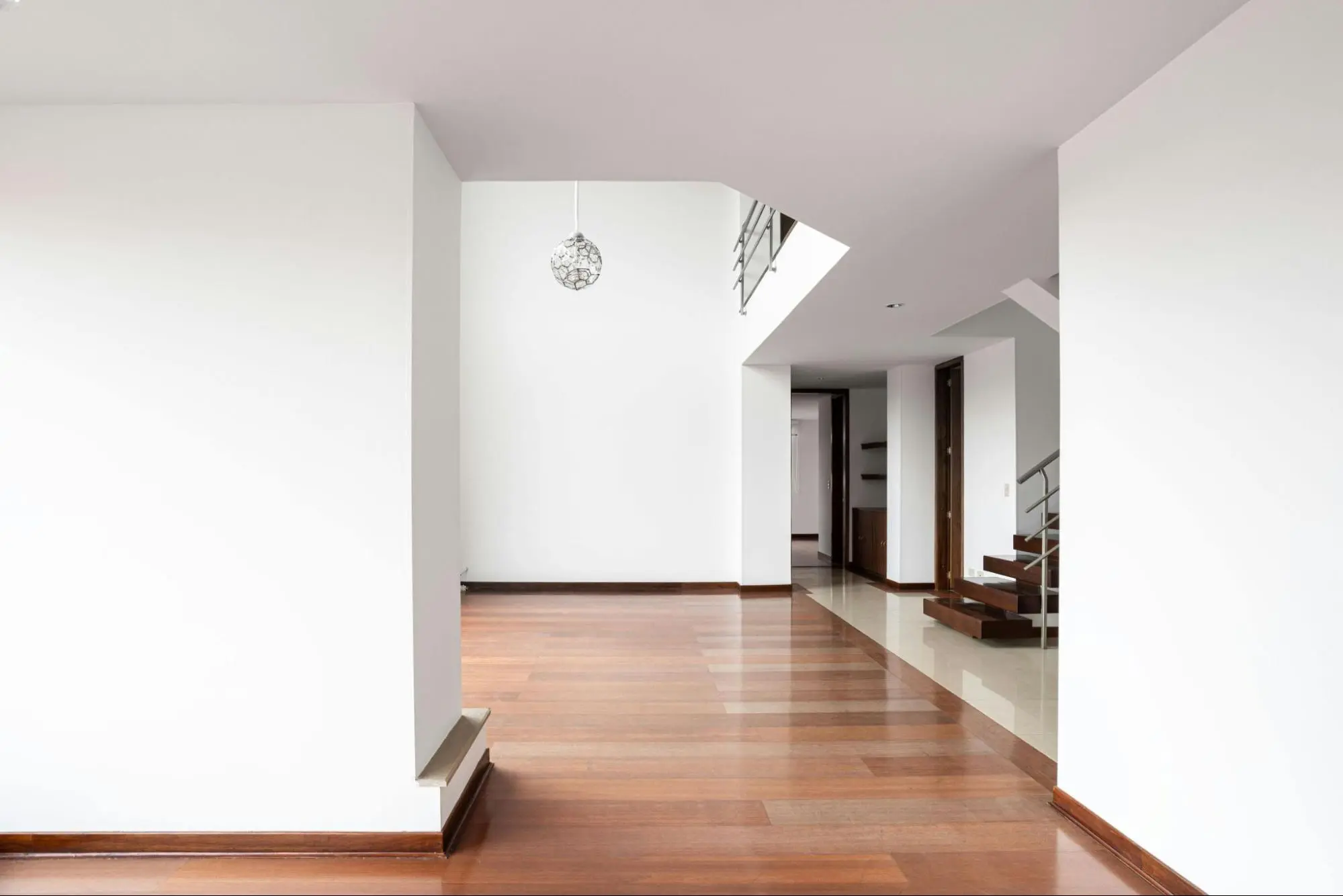
The charm of grey solid wood flooring is undeniable. Its sleek, neutral tones have captured the imagination of homeowners and interior designers alike. Whether it’s creating a modern sanctuary or a minimalist retreat, grey flooring offers a contemporary base that allows for creative expression.
But here’s the catch: grey is also a polarising choice. While it has become a sought-after trend, questions linger. Will it stand the test of time, or is it a design choice that could feel dated in a few years?
This guide dives deep into grey solid wood flooring—exploring its strengths, drawbacks, and practical considerations to help you decide if it’s the perfect fit for your home. By the end, you’ll have the insights needed to make a confident, informed choice.
What Makes Grey Solid Wood Flooring Special?
Timeless Elegance
Grey flooring’s neutral yet bold aesthetic brings an element of sophistication to any room. Its ability to seamlessly blend into various colour palettes makes it a design favourite for everything from chic urban lofts to tranquil suburban homes.
Durability and Refinishing Options
Unlike carpets or laminate, solid wood floors are built to last. Grey solid wood flooring can be refinished multiple times, allowing homeowners to adapt its look over decades. This makes it a flexible and future-proof option for those concerned about design longevity.
Understated Versatility
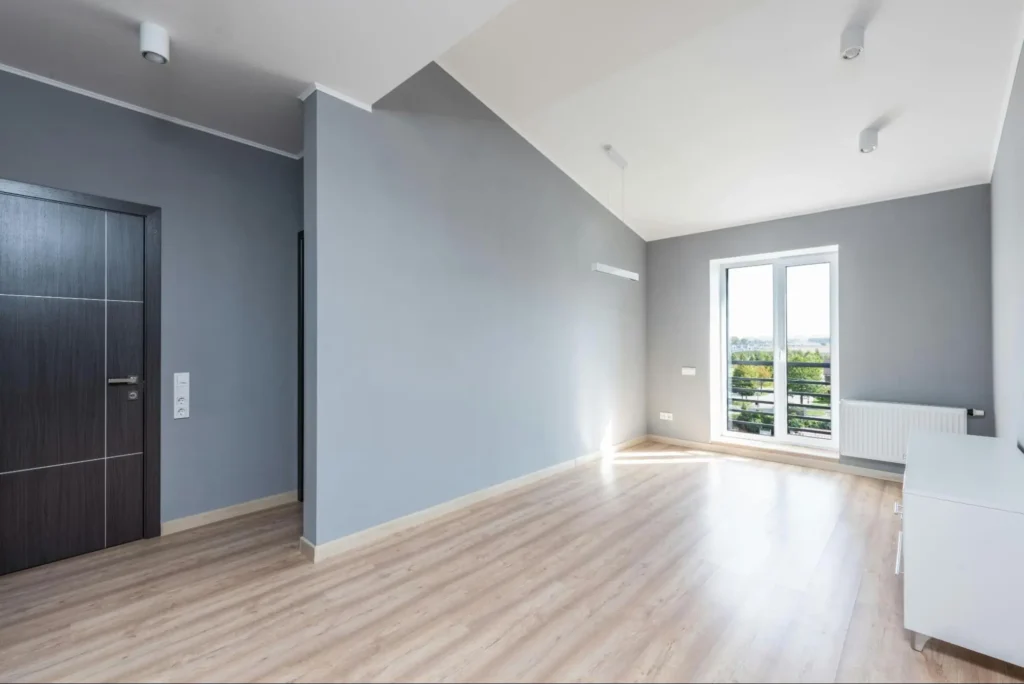
Grey flooring’s adaptability allows it to serve as a bridge between styles—balancing the warmth of traditional decor with the clean lines of modern interiors. It’s as at home in a minimalist studio as it is in a rustic cabin.
The Downsides of Grey Flooring: What No One Talks About
Trend Fatigue
Grey may be in high demand now, but trends evolve. What feels stylish today could become passé tomorrow, potentially leaving homeowners stuck with flooring that looks outdated. While refinishing is an option, the cost and effort involved aren’t negligible.
Cleaning Challenges
Grey tones, especially lighter shades, have a knack for exposing every speck of dust, dirt, and pet hair. This means regular upkeep is essential to keep the floors looking immaculate. If you have an active household or pets, this could quickly become a chore.
Maintenance and Wear
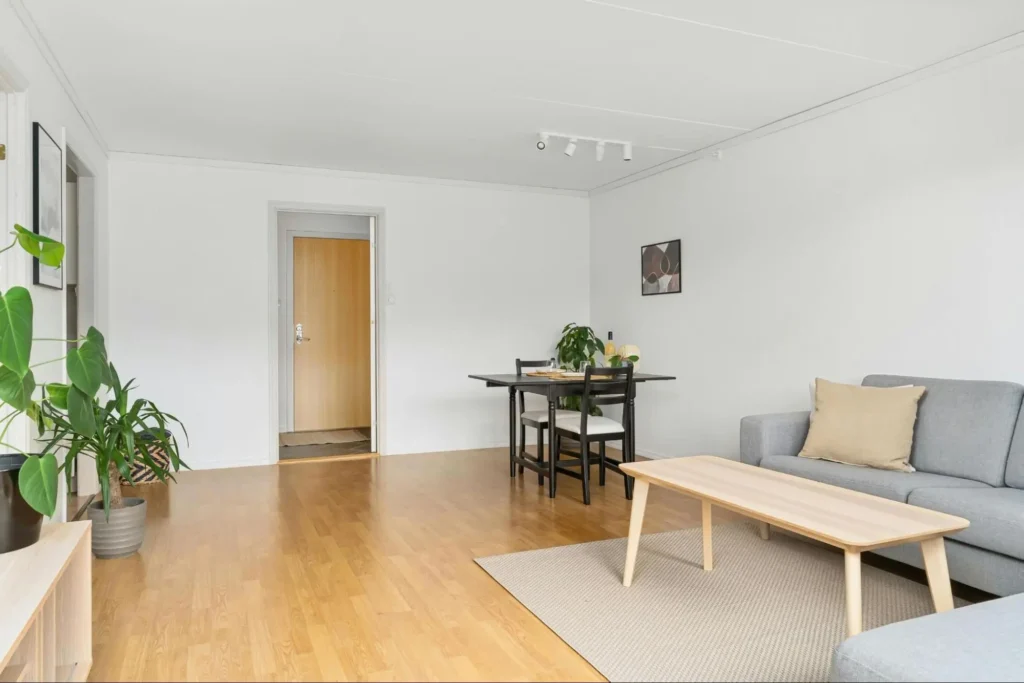
Over time, grey wood flooring can show wear in high-traffic areas more noticeably than darker wood tones. Scratches and scuffs might require more frequent touch-ups, especially in rooms with heavy use.
Limited Design Freedom
While grey’s neutrality is a strength, it can also act as a constraint. Warm tones in furniture or decor can clash with cooler grey shades, making it challenging to achieve a cohesive look in some spaces.
Choosing the Right Shade and Finish
Shade Comparison Table
| Aspect | Light Grey | Dark Grey |
|---|---|---|
| Room Size | Enhances small spaces; adds light | Adds depth to large rooms |
| Lighting | Best in rooms with natural light | Works in rooms with controlled lighting |
| Ambiance | Creates an airy, open feel | Brings sophistication and drama |
| Cleaning Needs | Shows more dirt and scratches | Conceals imperfections better |
| Compatibility | Pairs well with modern, bright decor | Complements bold, dark interiors |
Finish Comparison Table
| Finish Type | Matt | Glossy | Distressed |
|---|---|---|---|
| Look | Natural, understated | Sleek, polished | Rustic, aged |
| Maintenance | Low-maintenance | Requires frequent cleaning | Hides imperfections |
| Best For | Minimalist or casual settings | Contemporary or luxe interiors | Vintage or rustic styles |
Why Grey May or May Not Suit Your Space
Grey flooring’s appeal isn’t universal—it’s all about the context of your space.
Living Rooms
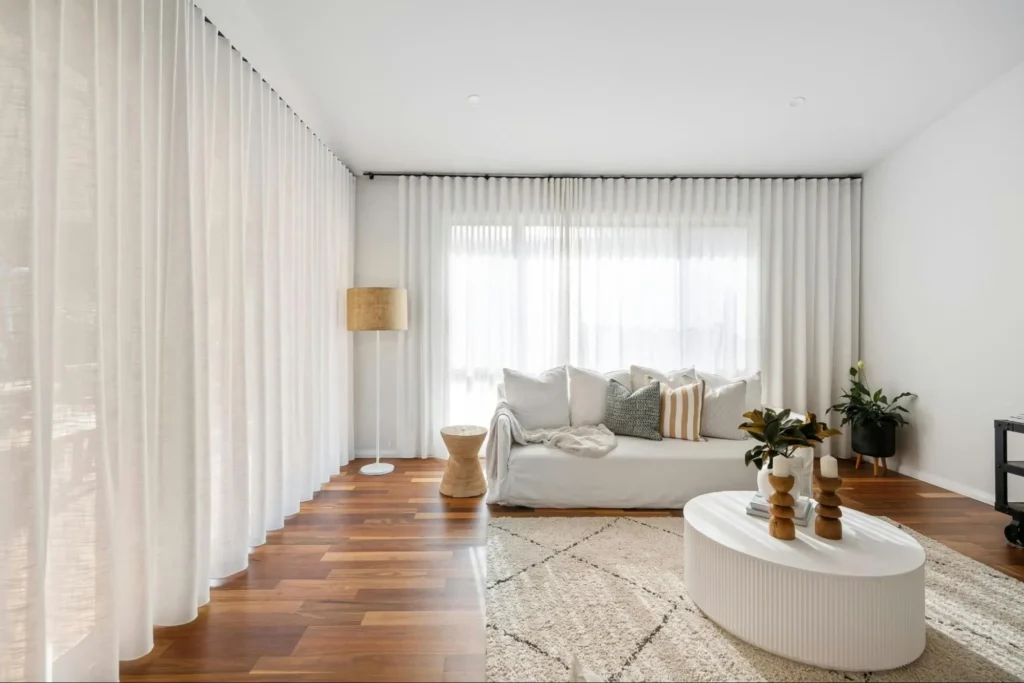
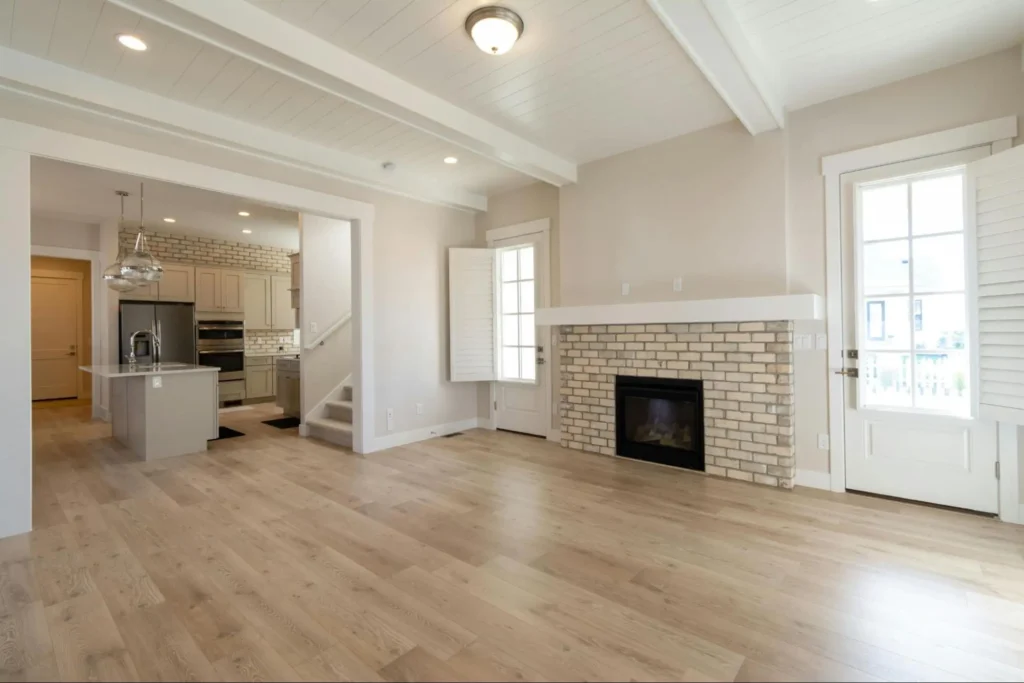
Grey adds a serene, modern vibe to living rooms, making it a popular choice for creating an elegant yet understated aesthetic. It works well with various design themes, from minimalist to contemporary. However, if your living room experiences heavy foot traffic, scratches and dirt may become more noticeable, especially in lighter shades. A slightly distressed or darker finish can help mitigate this issue while maintaining the visual appeal.
Kitchens and Bathrooms
In kitchens, grey flooring complements sleek, modern cabinetry and metallic appliances, creating a polished, cohesive look. However, kitchens are prone to spills and stains, which can be more apparent in grey tones. Bathrooms pose an even greater challenge due to moisture, which can warp solid wood. While grey adds sophistication, it’s crucial to assess whether you’re ready for the high maintenance or opt for moisture-resistant alternatives like engineered wood.
Bedrooms
Bedrooms benefit from grey flooring’s ability to create a calm, restful atmosphere. Light greys, in particular, can make small bedrooms appear more spacious, while darker greys add depth and cosiness. However, grey tones can feel cold if not paired with warm textiles or adequate lighting. Rugs throws, and curtains in warmer hues can balance this effect, making the space feel more inviting.
Entryways and Hallways
Grey flooring in entryways offers a striking first impression and pairs well with neutral or bold wall colours. However, these areas are highly prone to dirt and scuffs from foot traffic. Protective measures like area rugs and mats can help maintain the flooring’s appearance, especially in high-use spaces.
Grey Flooring – Love It, Choose Wisely
Grey solid wood flooring offers a compelling blend of style, versatility, and durability. But it’s not without its challenges. Balancing these factors with your personal needs and long-term goals is crucial for a choice you’ll love for years to come.
Ready to see if grey solid flooring is right for your space? Explore our premium collection and order a free sample today to find the perfect match for your home.
Leave a Reply