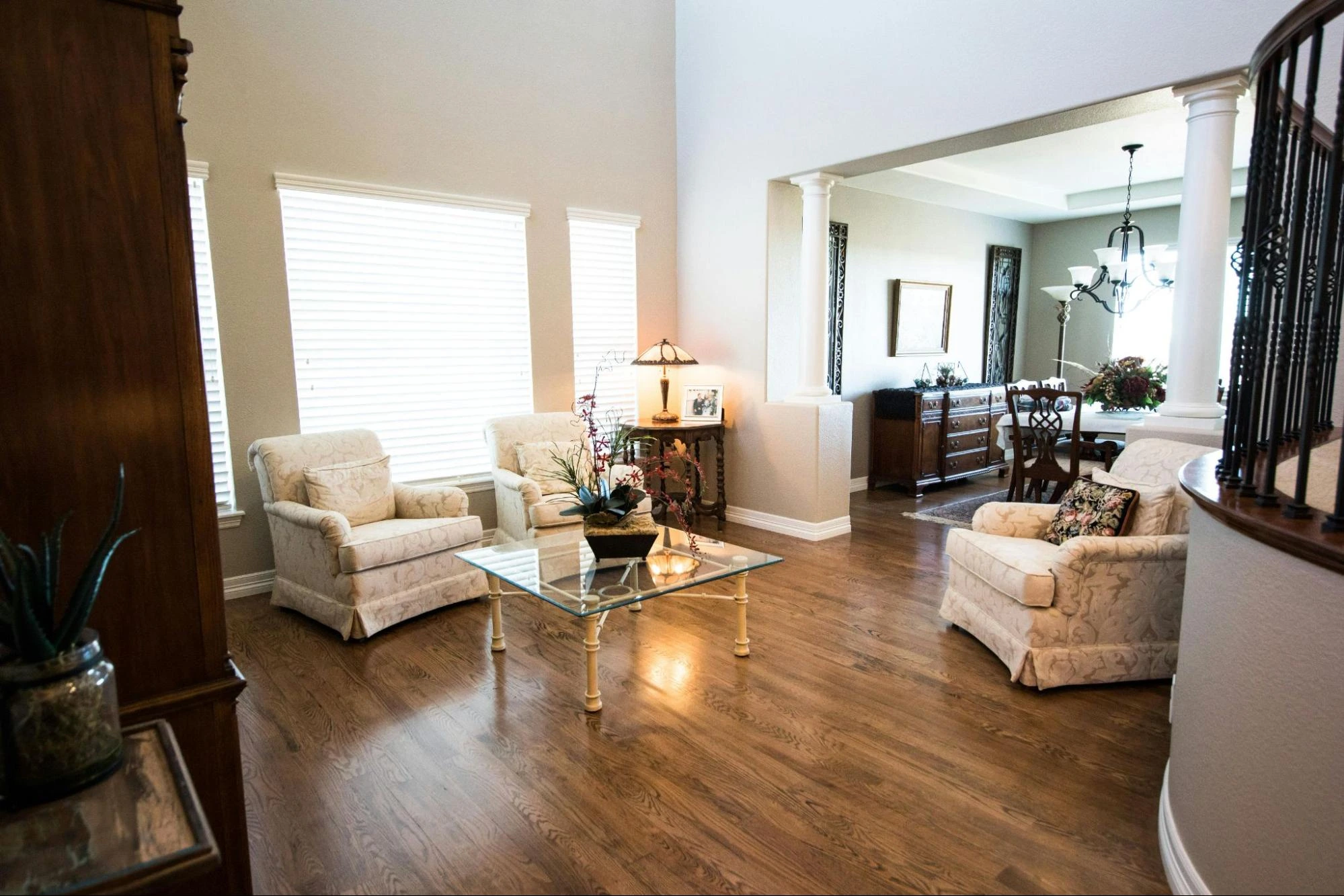
Is the cost of your flooring decision just about money—or is it about the long-term impact on your lifestyle? Whether you’re remodelling your home or building from scratch, your flooring choice is a significant investment that blends aesthetics, practicality, and value.
In this showdown, we’re comparing two popular options: engineered wood flooring, loved for its warmth, elegance, and premium feel, and tiles, celebrated for their practicality, durability, and versatility.
By the end of this blog, you’ll know which flooring delivers the best value for your money—upfront and over time.
Material Costs: What’s the Price Tag?
The initial material cost is often the first consideration for homeowners. Here’s a detailed breakdown:
| Material | Price Range (per m²) | Factors Influencing Cost |
|---|---|---|
| Engineered Wood Flooring | £25–£100 | Thickness, wood species (oak, walnut), finish, and brand |
| Tiles (Ceramic/Porcelain) | £10–£60 | Material type (ceramic vs porcelain), design, size, and texture |
Detailed Insights:
- Engineered Wood Flooring:
Higher-quality engineered wood costs £70–£100 per m² due to thicker wear layers and premium finishes. Budget options start at £25–£40 per m² but may lack durability. - Tiles:
Ceramic tiles are generally more affordable (£10–£30 per m²), while porcelain tiles, known for their superior strength, range from £30–£60 per m². Custom designs can push costs beyond £100 per m².
Hidden Costs Alert: Cheaper options in both categories might require frequent replacements or refinishing, increasing long-term expenses.
Installation Costs: Upfront vs Hidden Challenges
Installation costs can often rival or even exceed the material costs. Here’s how the two flooring types compare:

| Cost Component | Engineered Wood Flooring | Tiles |
|---|---|---|
| Labour | £20–£50/m² | £30–£70/m² |
| Tools/ Preparation |
Minimal (£50–£100 for tools) | Precision tools (£100–£200 for tools) |
| Subfloor Preparation | £10–£20/m² | £20–£30/m² |
Why the Difference?
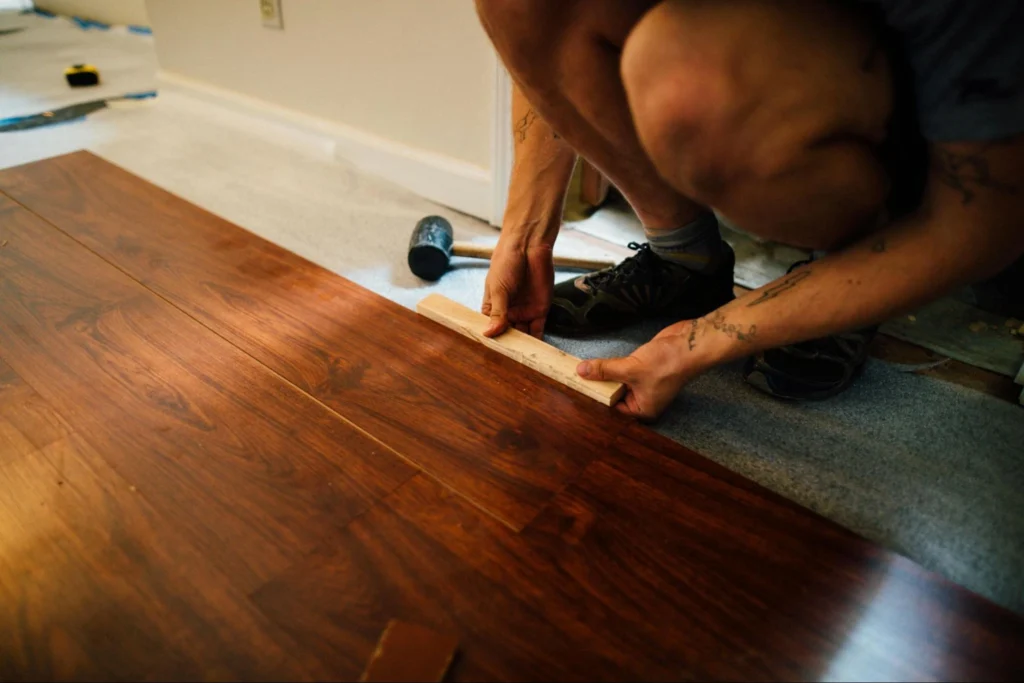
- Engineered Wood Flooring: Installation is less labour-intensive due to click-lock systems or glue-down methods, making it quicker and cheaper.
- Tiles: The process involves cutting, grouting, and levelling, which is more time-consuming and requires specialised skills, hence the higher labour costs.
Actionable Tip: Always ask for an all-inclusive quote covering subfloor prep, finishing, and cleanup to avoid unexpected costs.
Durability vs Cost Over Time: The True ROI
When considering flooring, durability plays a significant role in determining long-term costs. Here’s a cost breakdown over the lifespan of these materials:
| Factor | Engineered Wood Flooring | Tiles |
|---|---|---|
| Refinishing | £20–£30/m² (every 5–10 years) | Not required |
| Repairs | £50–£200 (localised repair) | £50–£150 (per cracked tile) |
| Maintenance | £50–£100/year (cleaning products) | £20–£50/year (grout cleaning) |
| Lifespan | 20–30 years (refinishing prolongs life) | 50+ years (with proper maintenance) |
Resale Value:
- Engineered Wood Flooring: Adds significant value to homes due to its luxurious appeal, often resulting in higher sale prices.
- Tiles: Durable but less impactful on home value, as they’re often seen as a practical choice rather than a luxury feature.

Use Case Economics: Match the Flooring to the Room
Choosing the right flooring for specific rooms can save you thousands in unnecessary replacements or repairs.
| Room Type | Best Option | Cost Savings |
|---|---|---|
| Kitchen | Tiles (£10–£60/m²) | Resistant to spills and heat, reducing maintenance costs. |
| Bathroom | Tiles (£10–£60/m²) | Moisture resistance prevents costly replacements. |
| Living Room | Engineered Wood (£25–£100/m²) | Adds warmth and style, increasing resale value. |
Key Insight: Choosing a flooring type unsuited to a specific room can double your costs in repairs or replacements.
Environmental Costs: A Factor You Can’t Ignore
While initial costs dominate the conversation, environmental impact is a growing concern for many homeowners.
Engineered Wood Flooring:
- Made from sustainable wood sources, reducing impact of deforestation.
- Energy-intensive production process increases its carbon footprint.
Tiles:
- High energy consumption during manufacturing, especially for porcelain.
- A longer lifespan often offsets its environmental costs in the long run.
Final Thoughts: It’s More Than Just a Price Tag
Your flooring decision isn’t just about upfront costs—it’s about practicality, long-term value, and how well it complements your lifestyle.
Engineered Wood Flooring: A smart choice for spaces where elegance and resale value matter.
Tiles: Ideal for moisture-prone areas where durability is critical.
Still unsure? Talk to the flooring experts at The Flooring Masters. Explore our wide range of premium engineered wood flooring and tiles, and order a free sample today to find the perfect fit for your home.
Make a choice that pays off in style, savings, and sustainability. Visit The Flooring Masters now!
Leave a Reply