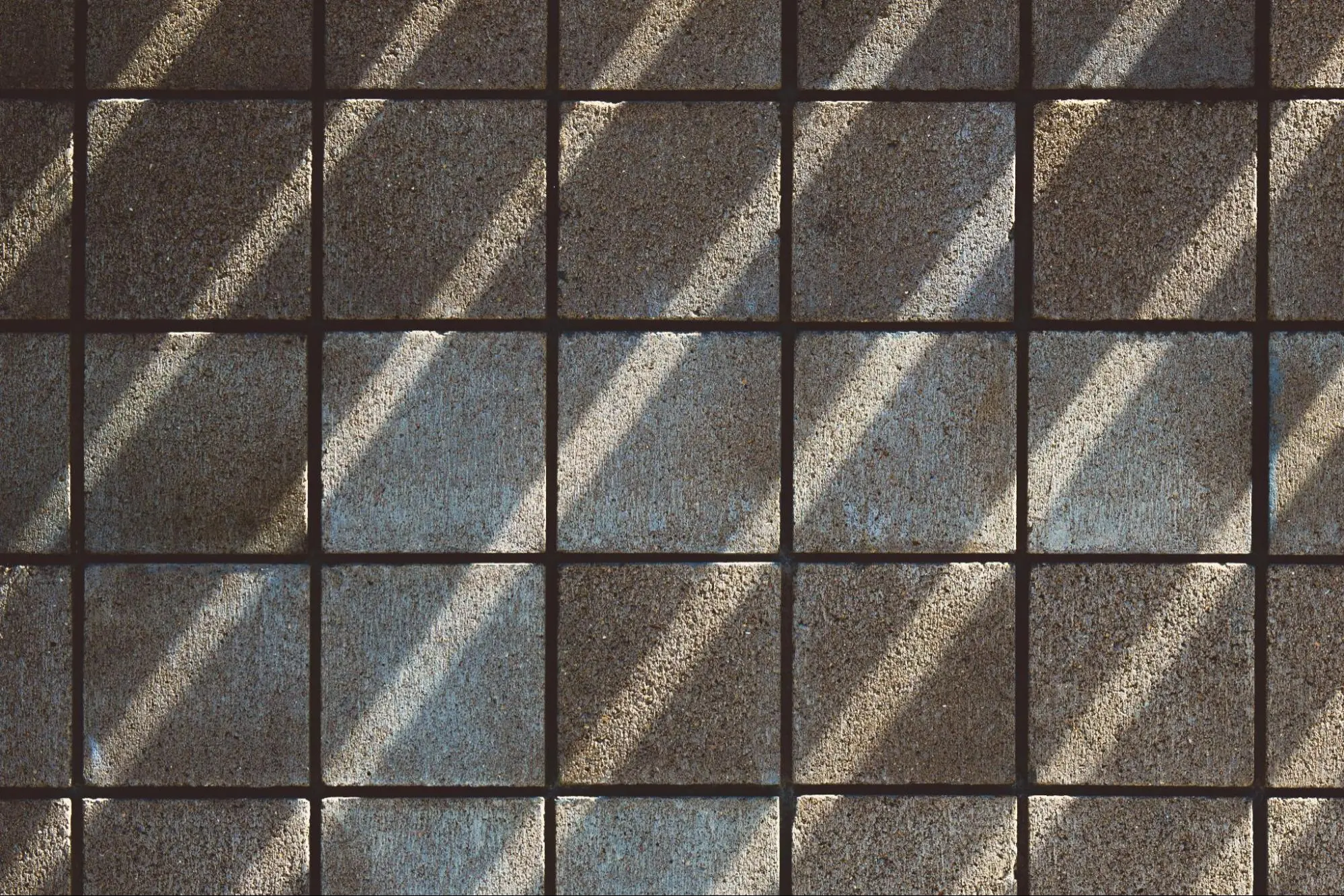
Vinyl flooring tiles are a synthetic and budget-friendly flooring option that offers versatility for both residential and commercial spaces. These tiles are made from polyvinyl chloride (PVC) and are designed to mimic the appearance of natural materials like wood, stone, or ceramic. For homeowners or business owners seeking a stylish yet affordable alternative to pricier materials, vinyl tiles present an attractive solution.
There are two primary types of vinyl flooring tiles: ‘Peel-and-Stick’ and ‘Click-Lock’.
- Peel-and-stick tiles come with a self-adhesive backing, making them easy to install by simply sticking them onto a smooth surface.
- Click-Lock tiles are installed through an interlocking mechanism, providing a more secure fit. While both are relatively easy to install, it’s essential to understand that they differ in durability and performance.
For cost-conscious buyers, vinyl flooring tiles can be an excellent choice. However, understanding their expected durability, especially in comparison to other materials like laminate or engineered wood, is crucial before making a purchase.
The Pros and Cons of Vinyl Flooring Tiles
Pros of Vinyl Flooring Tiles
| Feature | Description |
|---|---|
| Affordability | Budget-friendly option compared to laminate or engineered wood |
| Durability | Thicker wear layers provide good durability for higher-end vinyl |
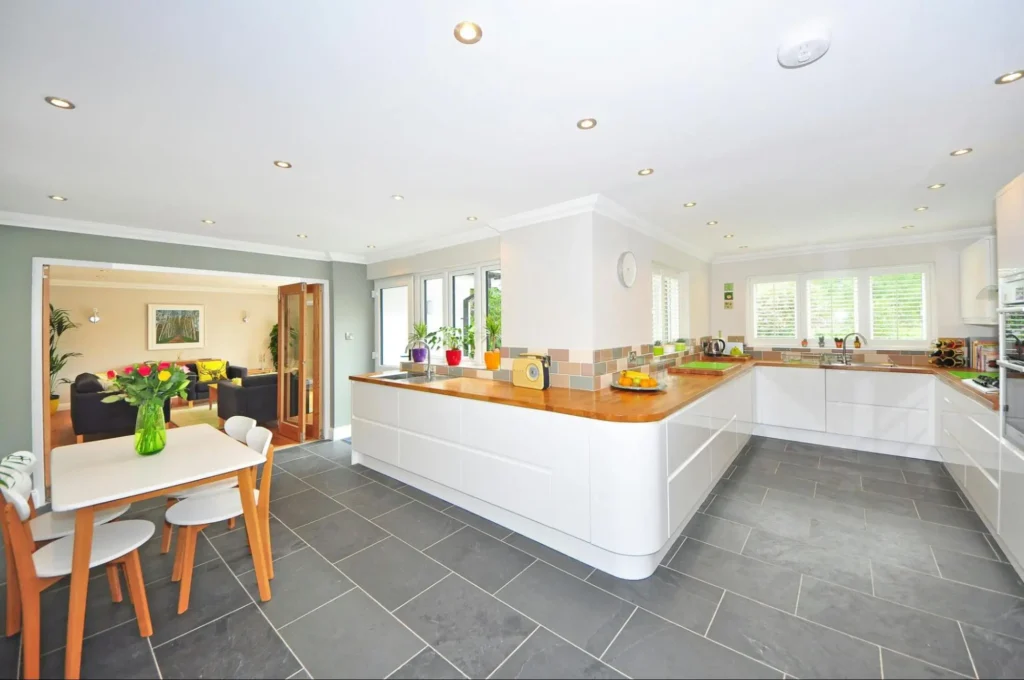
| Appearance | Can mimic natural materials like wood, stone, or ceramic |
| Installation | Easy installation with Peel-and-Stick or Click-Lock options |
| Maintenance | Low-maintenance; easy to clean with regular sweeping and mopping |
| Water Resistance | Water-resistant, ideal for kitchens and bathrooms |
Cons of Vinyl Flooring Tiles
| Feature | Description |
|---|---|
| Durability | Cheaper vinyl may wear, peel, or fade more quickly |
| Appearance | Lower-end vinyl may not look as premium or realistic as other options |
| Installation | Peel-and-stick tiles may require more frequent repairs over time |
| Maintenance | Prone to scuffing, peeling, or fading in high-traffic areas |
| Eco-Friendliness | Derived from PVC, contributing to environmental and recycling concerns |
| Longevity | May not last as long as engineered wood or premium laminate |
Vinyl Flooring Tile Trends: Are They Right for You?
In recent years, luxury vinyl tiles (LVT) have emerged as a popular trend. These tiles offer a more premium look and feel than traditional vinyl tiles, often closely resembling high-end materials like hardwood or stone.
LVT is also more durable, making it a worthwhile investment for those who want the appearance of luxury without paying the price of real wood or stone. However, it’s essential to note that LVT does come with a higher price tag than standard vinyl tiles.
At The Flooring Masters, we offer a range of luxury vinyl tile options. If you’re considering this choice for your home, why not request a free sample from our website to see if it’s the perfect fit for your space?
Eco-Friendly Claims
While some vinyl flooring brands tout eco-friendly credentials, it’s important to consider the materials used in their production. Being made from PVC, vinyl flooring does have environmental implications, particularly regarding VOC (volatile organic compound) emissions and recycling challenges.
However, there have been strides toward creating more sustainable vinyl options, so for environmentally-conscious buyers, researching the eco-friendliness of specific brands is advisable.
Vinyl tiles can be a stylish, practical flooring choice, and options like LVT offer a touch of luxury. But buyers must weigh the benefits of aesthetics with environmental considerations.
How to Choose the Best Vinyl Flooring for Your Space
Selecting the right vinyl flooring for your space involves considering several factors that will affect both its appearance and longevity. Understanding your specific needs and the environment in which the flooring will be installed is crucial for making an informed decision. Here are some key pointers to help guide you through the selection process:
Key Considerations for Choosing Vinyl Flooring
1. Assess Foot Traffic Levels:
Determine the level of foot traffic in the area. High-traffic spaces, such as entryways or living rooms, require more durable flooring.
2. Select the Right Wear Layer Thickness:
Choose vinyl tiles with a thicker wear layer (20 mil or higher) for areas with heavy use, as they are designed to resist scratches and dents.
3. Evaluate Style and Design:
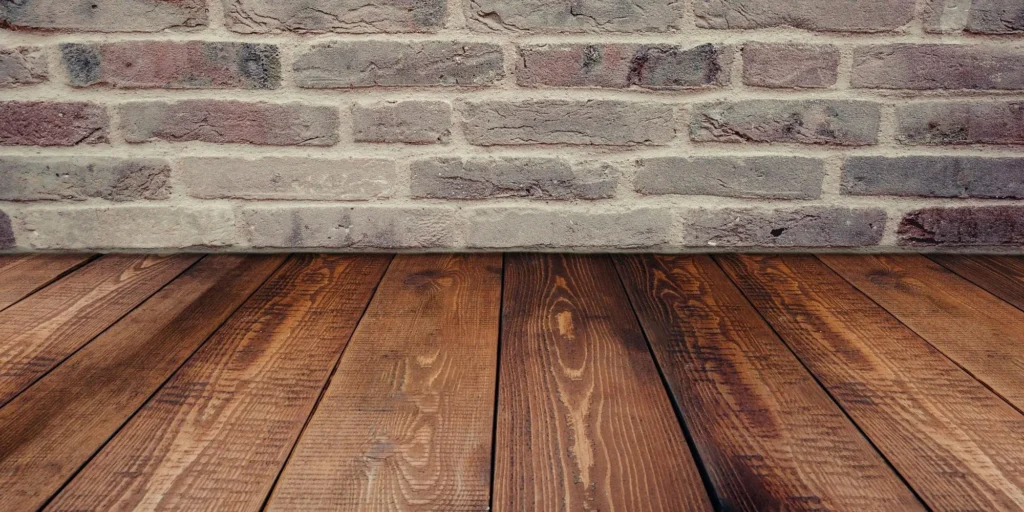
Consider the aesthetic of your space. Vinyl flooring comes in various colours, patterns, and textures that can mimic natural materials like wood and stone.
4. Check Waterproof Features:
For moisture-prone areas, such as kitchens and bathrooms, opt for waterproof vinyl options to prevent water damage.
5. Compare with Other Flooring Types:
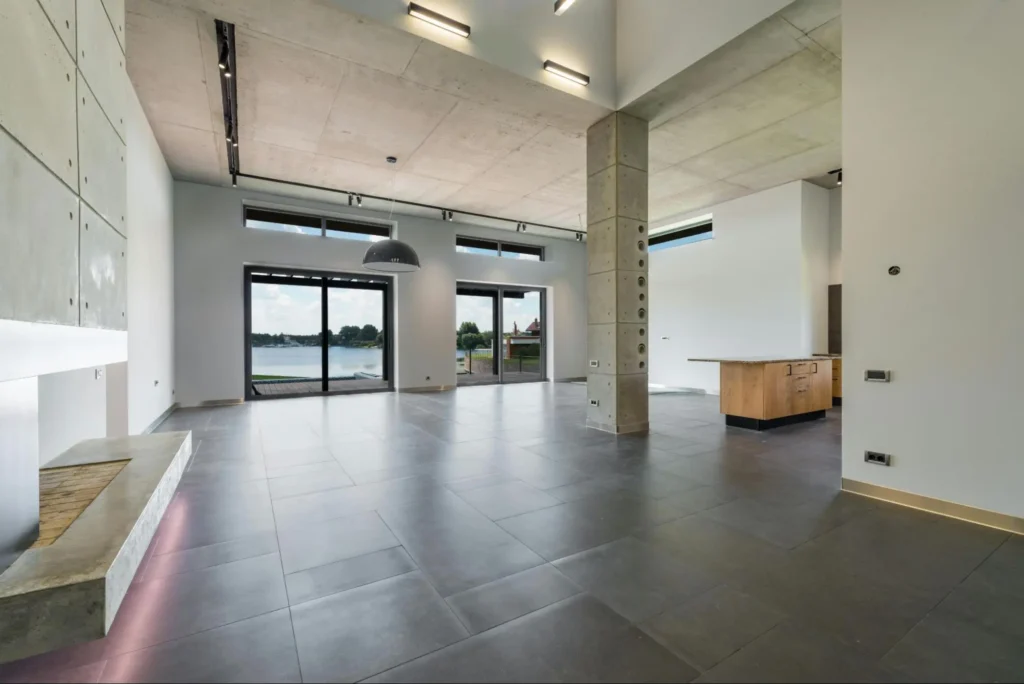
Look at alternatives like laminate or engineered wood to evaluate their durability, maintenance needs, and overall value.
6. Consider Installation Methods:
Decide between Peel-and-Stick or Click-Lock vinyl options based on your DIY comfort level and the time you can dedicate to installation.
By following these pointers, you can ensure that the vinyl flooring you choose not only meets your style preferences but also stands up to the demands of your living or working space.
Waterproofing
→ One of vinyl’s standout features is its water resistance, making it a perfect fit for rooms like kitchens and bathrooms where moisture is a concern.
→ However, be mindful that not all vinyl tiles are fully waterproof, and some may perform better in damp areas than others.
Vinyl Flooring Maintenance: Key Tips for Longevity
-
Regular Sweeping: Sweep or vacuum regularly to remove dirt and debris, preventing scratches.
-
Gentle Mopping: Mop occasionally with a damp mop and a pH-balanced cleaner specifically for vinyl. Avoid excess water.
-
Avoid Harsh Chemicals: Do not use bleach or abrasive cleaners; these can damage the wear layer.
-
Use Mats and Rugs: Place mats at entryways and rugs in high-traffic areas to protect the flooring.
-
Inspect for Damage: Regularly check for signs of peeling or scuffing. Address issues promptly to prevent further damage.
-
Repair Minor Issues: Use a vinyl repair kit for scratches or consult a professional for more extensive repairs.
By focusing on these essential maintenance tips, you can effectively prolong the life and appearance of your vinyl flooring.
Is Vinyl Flooring the Right Choice for You?
Vinyl flooring tiles are an excellent choice for those on a budget who still want stylish, easy-to-install, and low-maintenance flooring. However, it’s important to balance your expectations, especially regarding durability and performance. For a more premium, longer-lasting solution, you might consider investing in higher-quality vinyl or even looking at laminate or engineered wood flooring options.
If you’re ready to explore vinyl flooring options, check out The Flooring Masters’ extensive catalogue of vinyl tiles and request free samples to experience the quality firsthand before making your decision.
Leave a Reply