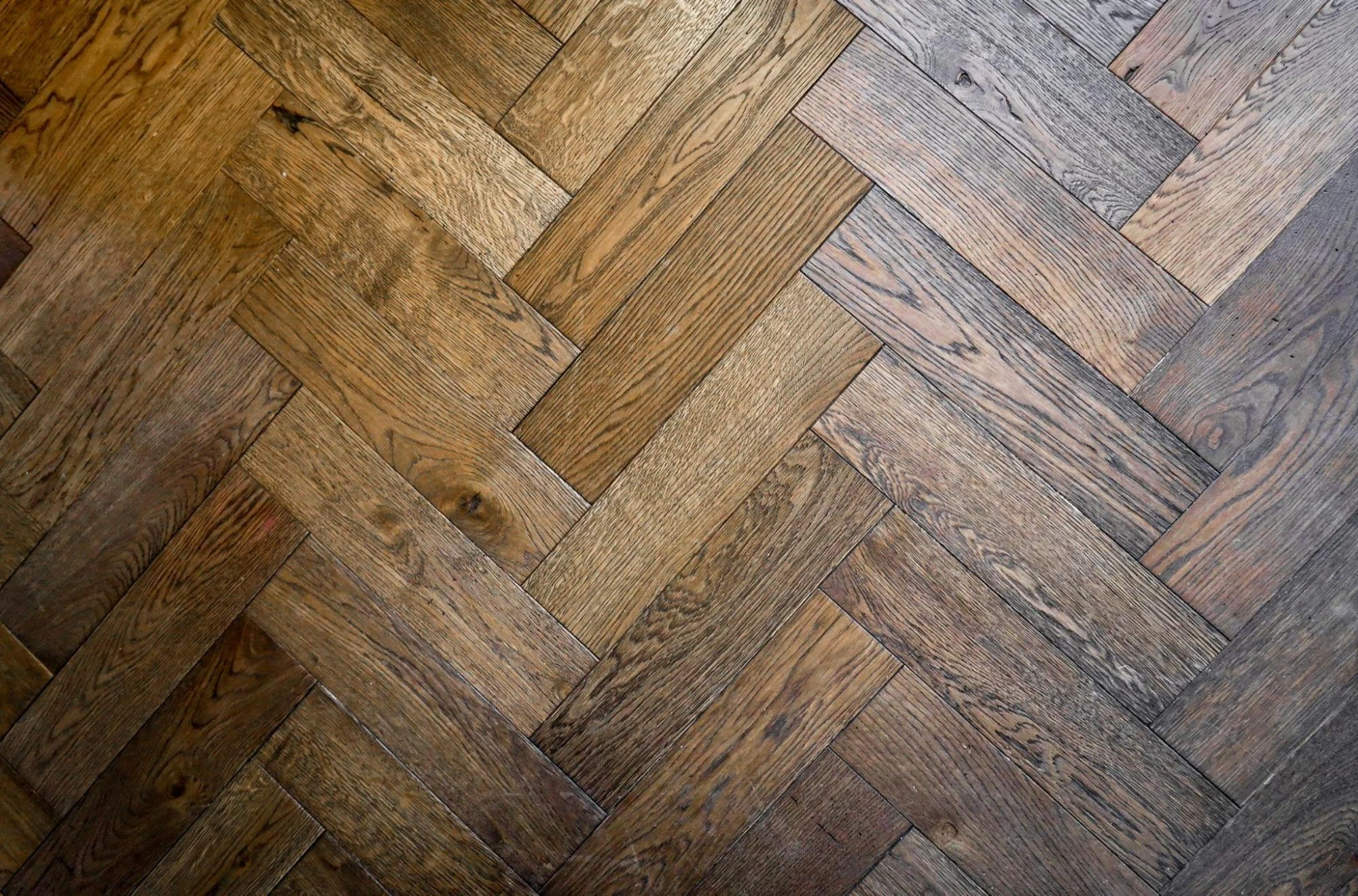
Many homeowners assume that engineered wood flooring is completely waterproof, just like a sturdy sheet of vinyl or laminate. However, this is a common misconception. In reality, engineered wood flooring has its limits when it comes to moisture protection.
This blog will challenge the assumption that engineered wood is a truly waterproof solution for your home. We’ll explore the realities of how this flooring material performs in damp environments, debunk some marketing myths, and highlight the areas where it is most prone to failure. Additionally, we’ll compare better alternatives that offer superior waterproofing capabilities.
By the end of this blog, you’ll have a clearer understanding of engineered wood’s limits in terms of moisture resistance, enabling you to make a thoughtful decision about the best flooring choice for your home.
The Reality of Engineered Wood Flooring and Moisture
Engineered wood flooring is hardwood with a thin veneer of real wood on top, with multiple layers of plywood or other materials beneath. While this construction makes the flooring more dimensionally stable and moisture-resistant than solid hardwood, it does not make it completely waterproof.
Over time, continuous exposure to water or high humidity can cause the core layers of engineered wood to swell, warp, or develop mould and mildew. This degradation often starts from the seams or gaps where moisture can seep in and work its way underneath the surface.
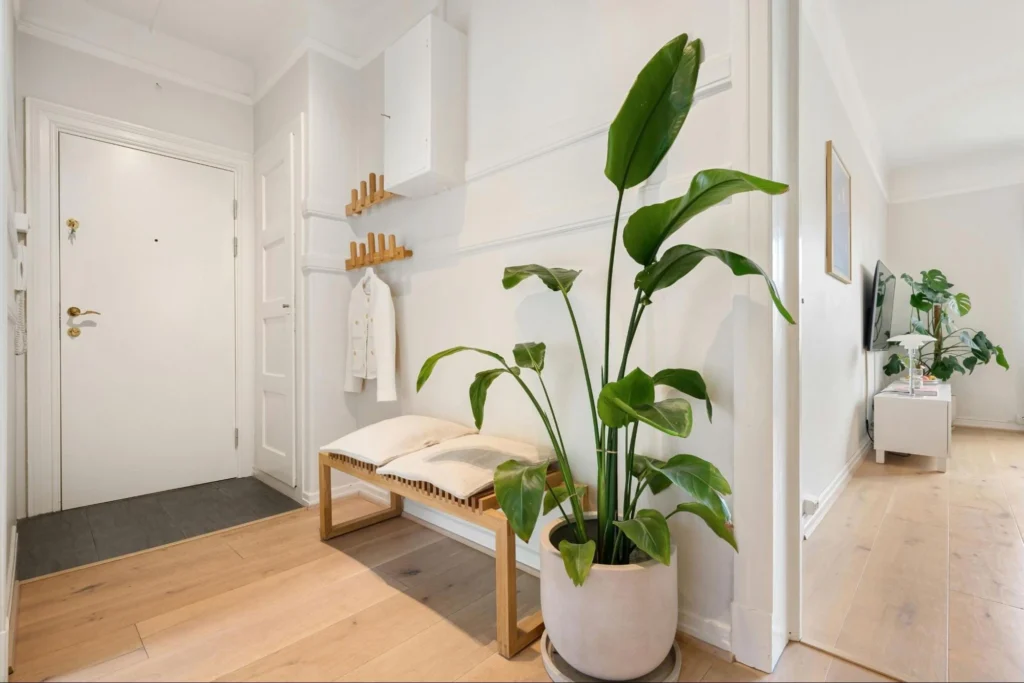
Marketing Myths: Is ‘Waterproof’ a Misleading Term?
Many flooring brands use the term ‘waterproof’ when marketing engineered wood, which can be misleading. They may technically meet the criteria to be labelled “water-resistant,” but this doesn’t mean they can withstand prolonged or heavy exposure to moisture. As a result, customers often have unrealistic expectations about the product’s ability to prevent water damage.
“I thought my engineered wood floors would be completely waterproof, but a small spill caused the seams to swell and the finish to peel,” says one frustrated homeowner in an online review.
Areas Where Engineered Wood Flooring Fails
Bathrooms, basements, and kitchens are notorious trouble spots for engineered wood flooring. The consistently high humidity and occasional water spills in these areas can quickly lead to unsightly and costly issues. Many homeowners have learned this lesson the hard way, only to face the hassle and expense of repairing or replacing the damaged flooring.
“We installed engineered wood in our downstairs bathroom, and within a year, the floor was warped and stained from all the moisture,” recounts a disgruntled customer. “It ended up costing us thousands to rip it all up and start over.”
To better understand the risks of using engineered wood in moisture-prone areas, here’s a comparison table:
| Room | Engineered Wood Suitability | Common Issues |
|---|---|---|
| Bathrooms | Not recommended |
|
| Basements | Not recommended |
|
| Kitchens | Not recommended |
|
If you have your heart set on installing engineered wood flooring, it’s crucial to take extra precautions to protect it in these high-moisture areas. However, for the best long-term results, choosing a more waterproof flooring solution is generally recommended.
Still confused about this, head to The Flooring Masters expert advice centre, to clear all your doubts.
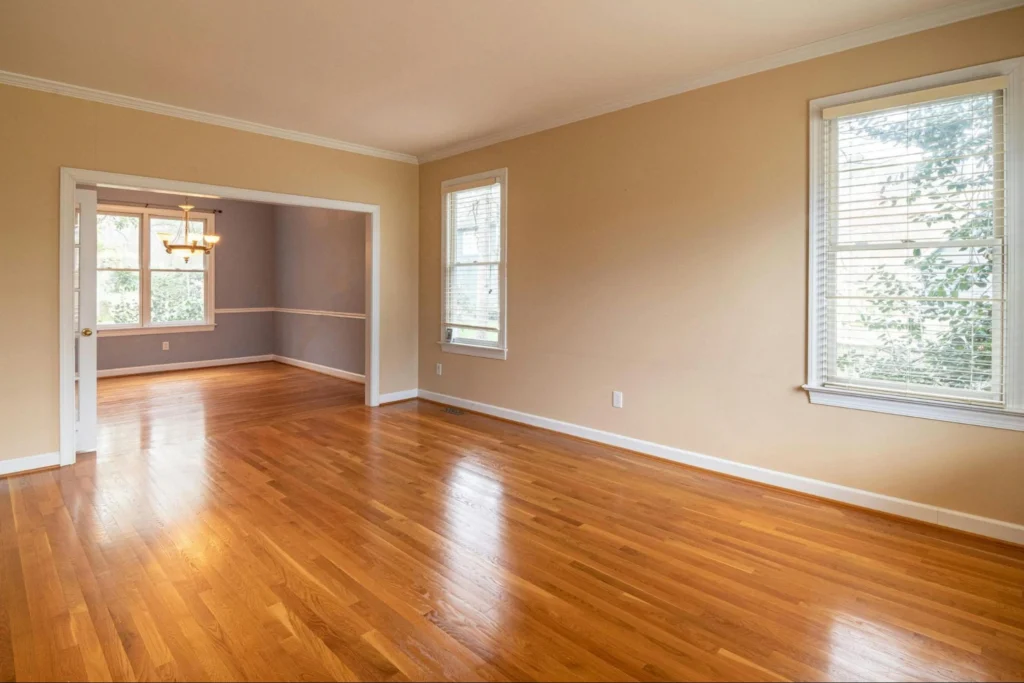
The Better Alternatives for Waterproof Floors
Let’s say, you’re seeking a truly waterproof flooring solution, engineered wood may not be the best choice. Alternative options like luxury vinyl plank (LVP), tile, and waterproof laminate offer superior moisture resistance and durability, often at a similar or lower cost.
To help you compare the top waterproof flooring options, here’s a side-by-side breakdown:
| Feature | Luxury Vinyl Plank (LVP) | Tile | Waterproof Laminate |
|---|---|---|---|
| Water Resistance | Extremely waterproof (up to 100% rating) | Completely waterproof | Highly water-resistant, but not 100% waterproof |
| Durability | Highly durable, scratch and impact resistant | Extremely durable, long-lasting | Moderately durable, prone to wear over time |
| Installation | Relatively easy, floating or glue-down options | Requires professional installation | Moderate difficulty, floating installation |
| Maintenance | Easy clean-up, minimal upkeep | Regular cleaning and sealing required | Easy cleanup, avoid excessive moisture |
| Design Options | Wide range of wood, stone, and abstract looks | Endless tile styles and patterns | Limited to wood and stone-inspired looks |
| Cost | Moderately priced, £3-£8 per sq ft | Variable, £10-£50+ per sq ft | Typically more affordable, £2-£5 per sq ft |
For example, high-quality LVP flooring can achieve a water resistance rating of up to 100%, making it an excellent choice for bathrooms, laundry rooms, and other moisture-prone areas. Tile is also an exceptionally waterproof option, with the added benefit of a wide range of design possibilities.
When choosing the best waterproof flooring for your home, carefully consider your budget, design preferences, and the moisture levels in each room. For expert advice and free sample products, be sure to visit The Flooring Masters website.
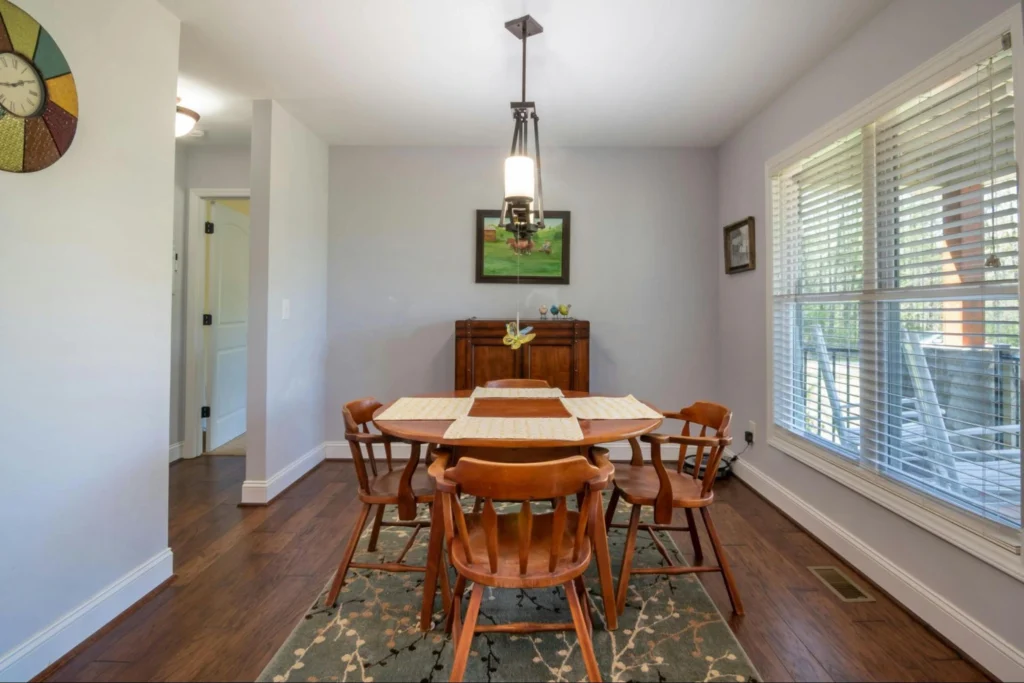
How to Protect Engineered Wood (If You Insist on Using It)
If you have your heart set on installing engineered wood flooring, there are some steps you can take to help mitigate the risk of water damage:
- Seal all perimeter edges and seams with a high-quality silicone sealant to prevent moisture intrusion.
- Use a waterproof underlayment or moisture barrier beneath the flooring to create an additional layer of protection.
- Be diligent about cleaning up spills promptly and avoid excessive wet mopping, which can lead to water seeping into the core.
- Consult a professional flooring installer to ensure the product is properly fitted and maintained.
Understand the Limits Before You Buy
While engineered wood flooring can be a beautiful and practical choice for many homes, it’s important to understand its limitations when it comes to water resistance. If you expect 100% waterproof protection, engineered wood is likely not the right option.
Before making a purchase, carefully review the product warranties and consider the moisture levels in the areas where you plan to install the flooring. By understanding the risks and taking appropriate precautions, you can help ensure your engineered wood floors stand the test of time. The Flooring Masters provides different options for engineered wood flooring. Have a look! And make an informed purchase.
For expert advice and high-quality, waterproof flooring alternatives, be sure to visit The Flooring Masters website.
Leave a Reply