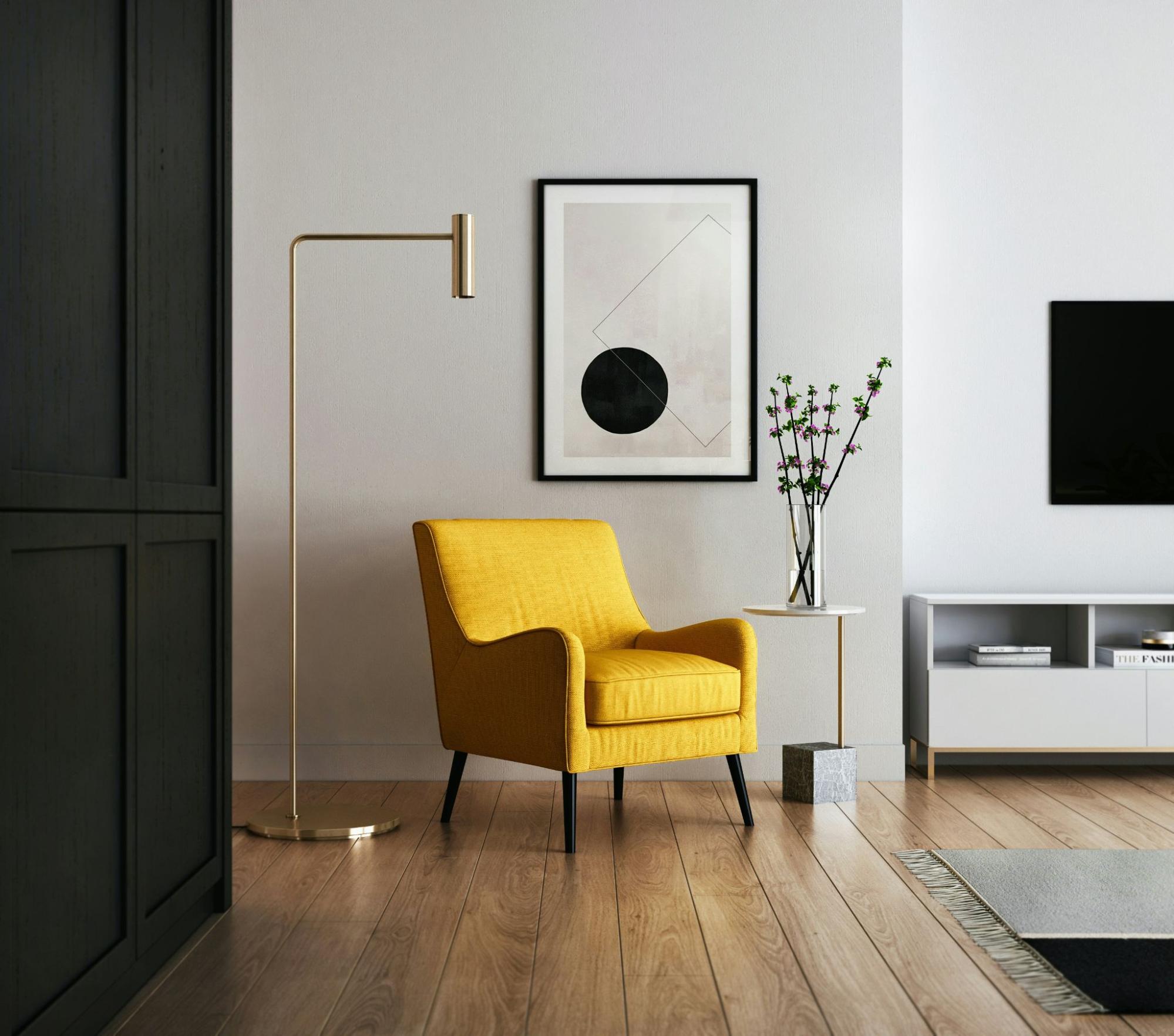
Selecting the right finish for your engineered wood flooring is key to keeping it looking great and lasting long.
Different finishes offer various benefits, from glossy lacquers to natural oils and trendy smoked effects, each with its pros and cons. It’s not just about picking what looks good; it’s about choosing a finish that matches your lifestyle, enhances the wood’s natural beauty, and fits your budget.
Think about how you use your space. If you have a busy household with kids or pets, you’ll want a finish that can withstand scratches and spills. On the other hand, if you’re more focused on achieving a particular aesthetic, you might prioritise a finish that brings out the rich tones and textures of the wood. Balancing durability with appearance is essential to making a choice that you’ll be happy with for years to come.
In this guide, we’ll explain the different finishes available and help you find the perfect one for your needs. Whether you’re going for a sleek modern vibe or a classic, natural look, we’ll give you the tips and insights to ensure your floors look fantastic and stand up to daily life. Let’s explore how to make your engineered wood flooring a beautiful and lasting part of your home.
Why Your Floor’s Finish Matters
The finish on your flooring is more than just a final touch—it plays a significant role in determining the longevity and overall look of your floors. A well-chosen finish can enhance the natural beauty of the wood, protect it from damage, and even influence how easy it is to clean and maintain.
On the flip side, an unsuitable finish might diminish the wood’s appeal or fail to provide the necessary protection, leading to premature wear and tear. Understanding the pros and cons of each finish type will help you make a choice that not only looks great but also supports the long-term performance of your flooring.
| Aspect | Pros | Cons |
|---|---|---|
| Enhancing Beauty | Brings out the wood’s natural grain and color. | Some finishes may alter the wood’s original tone. |
| Durability | Protects against scratches and wear. | Certain finishes may require more frequent upkeep. |
| Maintenance | Low-maintenance options are available. | Some finishes need regular reapplication. |
| Cost | Affordable options like lacquer. | Natural finishes like oil can be pricier over time. |
But what exactly are the different finishes available, and how do they compare? Let’s dive deeper into the two most popular options: lacquer and oil finishes, and explore how each can impact the look and longevity of your floors.
Lacquer vs. Oil: A Dive Into Different Flooring Finishes
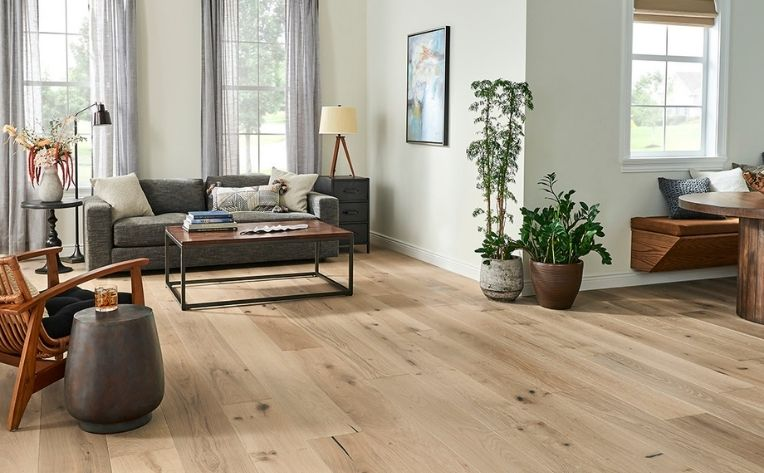
The most common finishes for engineered wood flooring are lacquered and oiled. Both offer distinct advantages depending on your needs, but understanding their differences is key to making the right choice. We have also added two other finishes, which also provide subsequent results. Below, we’ve compared the popular finishes to help you determine which one best suits your flooring.
| Feature | Lacquer Finish | Oiled Finish | Brushed and Lacquered Finish | Smoked and Satin Finish |
|---|---|---|---|---|
| Appearance | Available in gloss and matte, providing a sleek and polished look or a modern, understated finish. | Offers a natural, warm look that enhances the wood grain. | Combines a textured, brushed look with a protective lacquer layer, offering a rustic yet refined appearance. | Smoked finish adds depth and a darker, richer tone, while satin provides a subtle sheen between matte and gloss. |
| Durability | Highly durable and resistant to scratches, spills, and wear, making it ideal for high-traffic areas. | Less durable than lacquer, but can be repaired easily. Suitable for lower-traffic areas. | Highly durable due to the protective lacquer layer, suitable for high-traffic areas. | Smoked finish is durable, and satin offers a middle ground between the durability of matte and gloss finishes. |
| Maintenance | Low maintenance; requires minimal upkeep over time. | Requires regular reapplication to maintain protection and appearance. | Low maintenance, similar to standard lacquered finishes, but with added texture. | Requires occasional upkeep, especially the smoked finish, to maintain its rich tone. Satin is easier to maintain than gloss but more so than matte. |
| Repairability | Difficult to repair once damaged, often needing a complete reapplication. | Easy to repair small areas without needing to redo the entire floor. | More challenging to repair due to the textured surface combined with lacquer. | Smoked finishes are harder to repair without affecting the colour consistency; satin is easier to touch up than gloss finishes. |
| Cost | Generally more affordable due to lower maintenance costs. | Best for those who prefer a natural look, don’t mind the maintenance, and want a finish that ages beautifully. | Generally, mid-range in cost, balancing the added texture with durable lacquer. | Smoked finishes can be more expensive due to the treatment process; satin is moderately priced, similar to other non-glossy finishes. |
With a clearer understanding of the various finishes available, the next step is to consider the factors that will help you determine which finish is right for your specific needs. Understand what other things you should evaluate when selecting the best finish for your engineered wood flooring.
Factors to Consider When Choosing the Best Finish for Your Engineered Wood Flooring

Selecting the right finish involves considering various factors beyond just appearance. Here’s what you need to think about to make the best choice:
1. Lifestyle and Usage
Your daily life plays a crucial role in determining the best finish for your floors.
-
Foot Traffic: High-traffic areas like hallways or living rooms benefit from more durable finishes such as lacquer, while low-traffic spaces might prefer the softer, more natural feel of an oiled finish.
-
Pets or Children: Homes with pets or young children should consider finishes that are easy to clean and resistant to scratches, such as brushed and lacquered finishes.
-
Maintenance: If you prefer a low-maintenance option, lacquer finishes might be your best bet. However, if you don’t mind the occasional upkeep, the warm look of an oiled finish can be worth the effort.
Choosing the right finish also depends on the type of wood your flooring is made from and the look you want to achieve.
2. Wood Type
The type of wood you’ve chosen for your flooring can greatly impact which finishes will work best.
-
Hardwood Finishes
The type of wood you’ve chosen for your flooring can greatly impact which finishes will work best. Hardwoods, like oak, are naturally durable and can handle various finishes. This gives you more flexibility in your choice, whether you prefer a glossy lacquered finish for a polished look or an oiled finish to highlight the natural grain. The robust nature of hardwoods allows them to withstand different finish treatments, ensuring long-term performance and aesthetic appeal.
-
Softwood Finishes
Softwoods, on the other hand, are generally less durable than hardwoods and may require more protective finishes to guard against wear and tear. Finishes like brushed and lacquered can provide added protection while enhancing the wood’s natural beauty. Softwoods benefit from finishes that offer a balance of durability and aesthetic enhancement, ensuring the flooring remains both beautiful and resilient over time. Selecting a finish that complements the softer nature of the wood helps maintain its integrity and appearance in the long run.
Selecting a finish that complements the wood type ensures that both the wood and finish perform well over time.
3. Desired Aesthetic
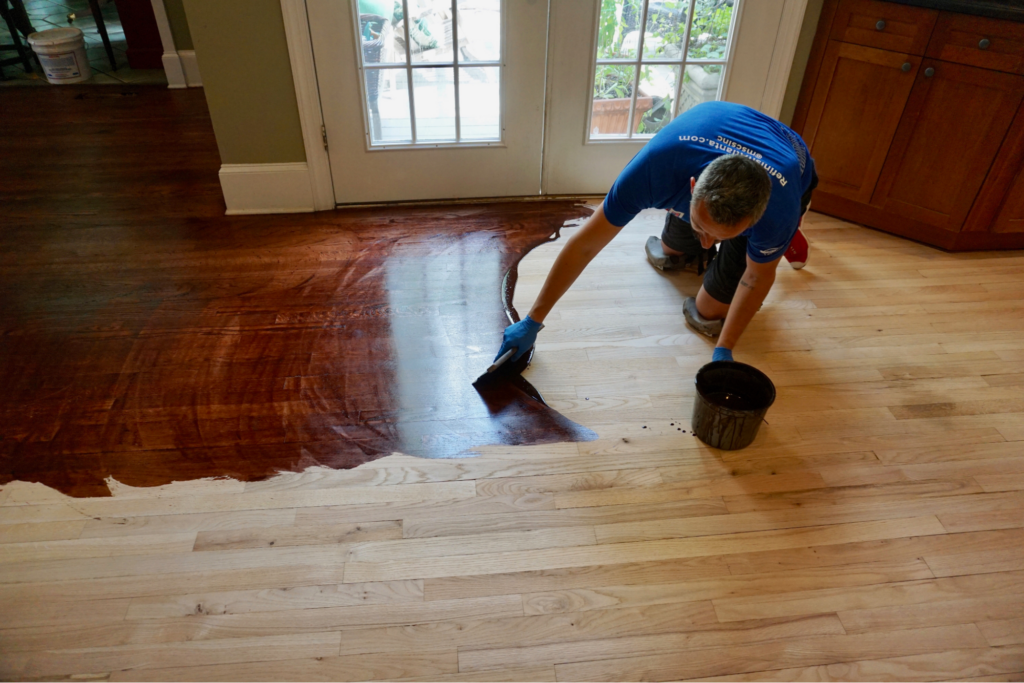
Your personal style plays a big role in the finish you choose for your engineered wood flooring.
-
Glossy Finishes:
Glossy finishes provide a sleek, polished look that can make your flooring appear more reflective and vibrant. They are excellent at highlighting the wood’s natural colours and patterns, making them ideal for spaces where you want to create a dramatic and elegant ambience. However, glossy finishes can show dust, fingerprints, and scratches more readily, which may require more frequent cleaning to maintain their pristine appearance.
2. Matte Finishes:
Matte finishes offer a modern, understated appearance that provides a more natural look and feel to the wood. They are less reflective than glossy finishes, making them great for hiding imperfections and everyday wear and tear. Matte finishes also tend to be more forgiving when it comes to showing dirt and scratches, which can be beneficial in high-traffic areas or homes with pets and children. This type of finish creates a more subdued and sophisticated look that complements a range of interior styles.
3. Natural Finishes:
Oiled finishes are designed to highlight and enhance the wood’s natural grain and character. They penetrate the wood to provide a rich, warm appearance that brings out the inherent beauty of the wood while maintaining its natural texture. Oiled finishes tend to age gracefully, developing a unique patina over time that adds to the floor’s charm. However, they may require periodic reapplication to maintain their protective qualities and appearance.
4. Enhanced Finishes:
Lacquered finishes are applied as a surface coating that can significantly alter or enhance the wood’s tone. Depending on the type of lacquer, it can range from clear to coloured, providing options to match different interior styles. Lacquered finishes offer a higher level of protection against wear and tear, and they can also help to unify the look of the wood by covering up minor imperfections. While they create a sleek, polished appearance, they may not highlight the wood’s natural texture as much as oiled finishes.
However, aesthetic choices often come with cost considerations. Understanding the budget implications of different finishes can help you make a decision that you’ll be happy with both visually and financially.
5. Budget
The cost of finishes can vary significantly, so it’s important to factor this into your decision. Lacquer finishes are generally more affordable and require less maintenance, making them a cost-effective option. Oiled finishes, while offering a beautiful natural look, maybe pricier due to ongoing upkeep.
| Finish Type | Initial Cost (per m²) |
Maintenance Cost (annually) | Total Long-Term Cost (over 10 years) |
|---|---|---|---|
| Lacquer Finish | £20 – £30 | £20 – £30 | £30 – £50 |
| Oil Finish | £25 – £40 | £25 – £40 | £65 – £120 |
| Brushed and Lacquered Finish | £25 – £35 | £10 – £20 | £35 – £55 |
| Smoked and Satin Finish | £30 – £50 | £10 – £20 | £50 – £90 |
After considering all these factors, you also need to keep in mind some common things to avoid while choosing a finish for your flooring. Read further to find out what these common pitfalls are.
Common Pitfalls to Avoid When Choosing a Finish
When selecting a finish, it’s easy to fall into some common traps. Here’s what to watch out for:
1. Overemphasis on Aesthetics
It’s natural to focus on the look of your flooring, but it’s important not to choose a finish based solely on appearance. Consider the practical aspects, like how the finish will hold up over time and how much maintenance it will require.
2. Inconsistent Information
With so much conflicting advice out there, it can be hard to know what’s best for your floors. Always verify the information you receive, especially when it comes to durability and maintenance, to ensure you’re making a well-informed decision.
3. Lack of Specific Recommendations
Every home is different, and so are its flooring needs. Avoid generic advice and seek out recommendations tailored to your specific situation, whether it’s the type of wood, the amount of foot traffic, or your aesthetic preferences.
Choose the Best Finish for Your Engineered Wood Flooring
Choosing the right finish for your engineered wood flooring is about more than just picking a pretty sheen—it’s about finding a balance between beauty, durability, and practicality. By understanding the various finishes available, considering factors like lifestyle, wood type, and budget, and avoiding common pitfalls, you can make an informed decision that will keep your floors looking stunning for years to come.
Ready to find the perfect finish for your flooring? Get expert advice from The Flooring Masters and make your home’s floors a lasting investment in beauty and functionality.
Leave a Reply