Category: Know-how

  • Is Engineered Wood Flooring Good? The Red and Green Flags

    Is Engineered Wood Flooring Good? The Red and Green Flags

    Engineered wood flooring: a term you’ve likely encountered in your search for the perfect home upgrade. But is it truly good? This guide cuts through the marketing hype to give you a clear, honest look at what engineered wood flooring offers. From durability to aesthetics, we’ll cover everything you need to know to make an informed decision.

    In this comprehensive guide, we’ll explore:

    – What sets engineered wood apart from solid timber

    – How it stands up to daily wear and tear

    – Whether it’s a wise investment for your home

    – The ins and outs of installation and maintenance

    By the end, you’ll have a clear understanding of whether engineered wood flooring is the solution you’ve been searching for, or if another option might better suit your needs and budget.

    At A Glance: Engineered Wood Flooring Pros vs. Cons
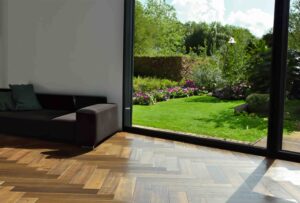
    Before we delve into the details, let’s quickly compare the advantages and disadvantages of engineered wood flooring:

    PROs CONs
    Durability: Resists moisture and temperature changes, reducing the risk of warping. Limited Refinishing: Can be refinished fewer times compared to solid wood due to a thinner top layer.
    Cost-Effective: Generally more affordable than solid wood while offering a similar look. Potential for Lower Quality: Some low-end products may not last as long or look as good as higher-quality options.
    Easy Installation: Many options feature click-lock installation, making it suitable for DIY projects. Feels Less Authentic: Some people prefer the feel and character of solid wood.
    Variety: Available in numerous styles, finishes, and wood species, including natural oak. Environmental Impact: Though better than some options, it still involves adhesives and treatments that might affect indoor air quality.
    Versatility: Suitable for a variety of rooms, including those prone to moisture, like basements and bathrooms. Not Completely Natural: Engineered wood contains layers of different materials, unlike solid wood which is 100% natural.

    Now that we’ve seen a quick overview, let’s explore each aspect in more depth.

    The Green Flags of Engineered Wood Flooring

    Cost-Effectiveness: A Smart Financial Choice

    Engineered wood flooring is a budget-friendly alternative to solid wood. Its layered construction uses less hardwood, making it more affordable without sacrificing quality or appearance.

    Prices can vary depending on:

    – The type of wood

    – The top veneer’s thickness

    – The core layers’ quality

    For homeowners on a budget, engineered wood offers a way to achieve the look of high-end hardwood without the hefty price tag. Additionally, the installation costs can be lower due to the ease of installation compared to solid wood.

    Engineered wood flooring provides exceptional durability and stability. Its multi-layer construction reduces the risk of warping and swelling, making it ideal for areas with fluctuating humidity levels. This flooring option is more resistant to moisture than solid wood and easier to maintain.

    With a variety of finishes, styles, and wood species available, engineered wood flooring offers versatility and longevity, making it an excellent choice for cost-conscious homeowners seeking elegance, practicality, and affordability.

    This cost-effectiveness doesn’t just stop at the initial purchase. Let’s look at how engineered wood flooring holds up over time.

    Stability and Durability: Built to Last
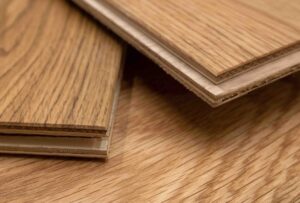
    Engineered wood flooring is designed to withstand changes in temperature and humidity better than solid wood. Its multi-layered structure provides enhanced stability. This makes it an ideal choice for areas prone to moisture, such as basements, kitchens, and bathrooms.

    Additionally, the layered construction allows for a more sustainable use of hardwood, as it requires less of it compared to solid wood flooring, making it an eco-friendly option.

    Engineered wood flooring offers a wide range of styles, finishes, and wood species, allowing homeowners to achieve the desired look of high-end hardwood without breaking the bank. The installation process is often easier and more cost-effective than that of solid wood, contributing to lower overall project costs.

    Furthermore, engineered wood is more resistant to scratches and dents, making it suitable for high-traffic areas in the home. This combination of affordability, durability, and aesthetic appeal makes engineered wood a smart choice for budget-conscious homeowners.

    Homeowners with pets or children will appreciate the scratch-resistant finishes available on many engineered wood products. Furthermore, some high-end options come with enhanced wear layers that can handle heavy foot traffic, making them suitable for busy households.

    In real terms, this means your floors can look great for 10 to 30 years, or even up to 50 years with proper care. That’s a lot of family dinners, game nights, and impromptu living room discos!

    With such impressive durability, you might wonder about the aesthetic options available. Let’s explore the variety engineered wood flooring offers.

    Variety and Aesthetics: A Style for Every Home

    With a wide range of styles, finishes, and wood species, engineered wood flooring offers diverse options to match any decor. Natural oak is a popular choice for its timeless and elegant look, but other options like maple, hickory, and exotic woods are also available.

    Homeowners can choose from:

    – Various plank widths

    – Textures such as hand-scraped or wire-brushed

    – Different stains to create a personalised aesthetic

    Engineered wood flooring also allows for creative installation patterns, including herringbone, chevron, and wide plank layouts, enhancing its design flexibility.

    The ability to mix and match different wood species and finishes enables homeowners to achieve a unique and customised appearance. Additionally, many engineered wood floors come with UV-cured finishes that protect against fading and discolouration, ensuring the flooring maintains its beauty over time.

    The versatility of engineered wood means it can complement both modern and traditional interior designs. Whether you’re aiming for a rustic, cosy feel or a sleek, contemporary look, engineered wood flooring offers the perfect blend of functionality and aesthetics to suit any homeowner’s vision.

    While style is crucial, many homeowners are also concerned about environmental impact. Let’s see how engineered wood flooring measures up in this regard.

    Environmental Impact and Sustainability Efforts: A Greener Choice

    Reducing the Environmental Footprint: 

    Engineered wood flooring uses less hardwood than solid wood floors, making it a more sustainable choice. This innovative construction allows for the beauty of real wood while minimising the impact on forests.

    Use of Sustainable Materials and Low-VOC Products: 

    Many manufacturers prioritise sustainability by using responsibly sourced wood and low-VOC (volatile organic compounds) finishes, which improve indoor air quality.

    This is particularly important for families with children or individuals with respiratory sensitivities. Choosing products certified by organisations such as the Forest Stewardship Council (FSC) ensures that the wood is harvested sustainably.

    By opting for these eco-friendly choices, you contribute to a healthier home and a healthier planet.

    Future Goals and Ongoing Initiatives: 

    The flooring industry is constantly innovating to reduce environmental impact and make products more sustainable. This means using recycled materials and improving manufacturing processes.

    For example, some manufacturers are now able to recycle old engineered wood flooring into new products, cutting down on waste.

    As a homeowner, you can look forward to these ongoing advancements, making engineered wood an even more eco-friendly choice in the future. By choosing these sustainable options, you’re not just enhancing your home but also helping the planet.

    Now that we’ve covered the benefits, it’s important to consider potential drawbacks. Let’s look at some factors you should keep in mind.

    The Red Flags to Consider

    Refinishing Limitations: Planning for the Future

    While solid wood flooring can be refinished multiple times, engineered wood has a thinner top layer, limiting the number of refinishes. However, high-quality options can still be refinished once or twice, extending their lifespan and maintaining their beauty.

    Homeowners should consider the thickness of the wear layer when purchasing to ensure it meets their long-term needs and durability expectations. Investing in a thicker top layer can provide added peace of mind for those planning to stay in their home for many years.

    Choosing engineered wood flooring with a thicker wear layer not only enhances durability but also offers flexibility for future refinishing, ensuring your floors can withstand the test of time with style.

    While refinishing is one consideration, it’s also important to understand that not all engineered wood flooring is created equal.

    Quality Variations: Choosing Wisely

    Not all engineered wood flooring is created equal. Look for products with a thick wear layer, strong core material, and reputable manufacturers to ensure you get the best quality.

    Some budget options may use lower-grade materials that can affect the floor’s durability and appearance over time, such as thinner wear layers or less stable core materials. Investing in higher-quality engineered wood ensures better resistance to wear and tear, maintaining its aesthetic appeal and structural integrity in the long run.

    Doing thorough research, reading reviews, or consulting flooring professionals can help you make an informed decision. Considering warranties and after-sales support can also provide additional peace of mind.

    Another factor to consider is how engineered wood flooring reacts to its environment, particularly sunlight.

    Sunlight Sensitivity: Protecting Your Investment

    Engineered wood flooring, like many flooring types, can fade or discolour when exposed to direct sunlight over time, which underscores the importance of proactive maintenance and protective measures.

    Use window coverings and area rugs to protect your floors and maintain their appearance. Homeowners with large windows or rooms that receive a lot of natural light should consider UV-resistant finishes or tinted window films to minimise fading.

    Additionally, periodically moving furniture and rugs can help even out the exposure and maintain a uniform look throughout the space.

    Understanding these potential drawbacks is crucial, but knowing how to install and maintain your flooring is equally important.

    Installation and Maintenance: Keeping Your Floors in Top Shape

    Installation: DIY-Friendly (If You’re Up for It)

    One of the perks of engineered wood flooring is that it can be a DIY project:

    – Many options have click-lock systems for easy installation

    – You can choose between floating floor or glue-down methods

    – Pre-finished planks mean no messy finishing process

    But if you’re not confident in your DIY skills, it’s always worth considering professional installation. It might cost more upfront, but it can save you headaches (and potentially money) in the long run.

    Maintenance: Low-Fuss, High-Reward

    Keeping your engineered wood floors looking great doesn’t require a PhD in floor care:

    – Regular sweeping or hoovering (with a soft brush attachment) is your first line of defence

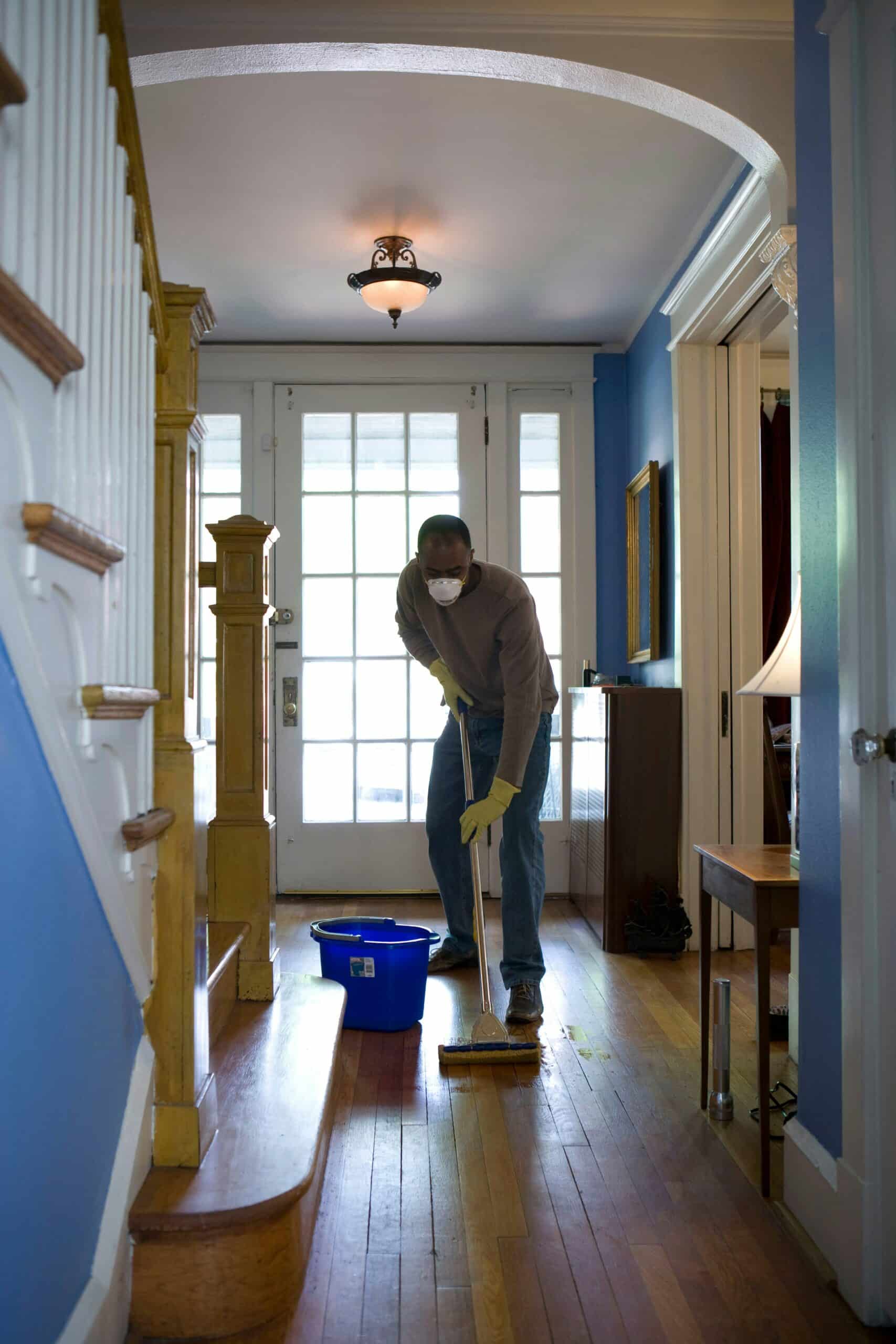
    – Use a slightly damp mop for deeper cleaning, but avoid soaking the floor

    – Clean up spills promptly to prevent damage

    – Avoid harsh chemicals – a pH-neutral wood floor cleaner is your best bet

    With this simple routine, your floors can keep looking fabulous for years to come.

    Now that we’ve explored both the benefits and potential drawbacks, let’s sum up whether engineered wood flooring might be right for you.

    Is Engineered Wood Flooring Right for You? The Flooring Masters Analysis

    When considering engineered wood flooring, it’s crucial to weigh its benefits and drawbacks against your specific needs, preferences, and budget. Let’s break down our analysis:

    For many homeowners, engineered wood flooring can be an excellent choice due to its:

    – Durability and stability in various environments

    – Cost-effectiveness compared to solid hardwood

    – Wide range of styles and finishes

    – Ease of installation

    – Improved sustainability compared to some alternatives

    However, it may not be the ideal option if:

    – You prefer the authenticity of solid wood

    – You plan to refinish your floors multiple times

    – You’re looking for the most budget-friendly option available

    It’s important to remember that while engineered wood flooring offers many advantages, it’s just one of many flooring options available. Your ideal flooring choice depends on factors such as:

    – Your budget

    – The specific room and its conditions (e.g., moisture levels, foot traffic)

    – Your aesthetic preferences

    – Long-term maintenance considerations

    – Environmental concerns

    At The Flooring Masters, we understand that choosing the right flooring is a significant decision. That’s why we offer a comprehensive range of flooring options beyond just engineered wood. Our extensive experience in the industry allows us to provide expert guidance tailored to your unique situation.

    Whether engineered wood flooring turns out to be the perfect fit for you or another option proves more suitable, we’re committed to supporting you throughout your flooring journey. From initial consultation and product selection to installation and aftercare, our team is here to ensure you make the best choice for your home.

    Why Choose The Flooring Masters?

    At The Flooring Masters, we offer:

    Comprehensive Product Range: 

    Explore all our flooring categories available on our website [link to flooring categories]. From engineered wood to laminate, vinyl, carpet, and more, we have options to suit every need and preference.

    Expert Guidance: 

    With years of industry experience, our team provides personalised advice to help you navigate the many flooring options available.

    Free Samples: 

    See and feel the product before purchasing to ensure it meets your expectations.

    End-to-End Stellar Service: 

    Receive comprehensive support at every stage, from selection to installation and beyond.

    Sustainability Focus: 

    Enhance your home’s environmental impact with our range of sustainable flooring options.

    Ready to find the perfect flooring for your home? Contact us today to get started with your free samples and personalised service!

  • How To Lay Engineered Wood Flooring: A Beginner’s Guide

    So, you’ve decided to give your home a facelift and lay engineered wood flooring. Great choice!

    But now you’re faced with the task of installing it. Don’t worry – we’ve got you covered. This guide will show you the exact process of how to lay engineered wood flooring, from prepping your space to adding those final touches.

    We’ll explore different installation methods, share pro tips, and help you avoid common pitfalls. Whether you’re a DIY enthusiast or a complete beginner, you’ll find everything you need to know right here.

    What You’ll Learn:

    • Essential materials and tools for installation
    • How to prepare your space, including acclimatisation and subfloor preparation
    • Three main installation methods: floating floor, glue-down, and nail-down
    • Tips and best practices for a professional finish
    • How to add the finishing touches to your new floor

    Let’s get started.


    Materials and Tools: Getting Ready for Installation

    Before we roll up our sleeves, let’s make sure you have everything you need. Here’s a comprehensive list of materials and tools you will need to lay engineered wood flooring.

    – Engineered wood flooring planks

    – Underlay 

    – Damp-proof membrane (for moisture protection)

    – Adhesive (for glue-down method)

    – Spacers (for expansion gaps)

    – Moisture metre

    – Spirit level

    – Skirting board and beading

    – Flooring installation kit (includes tapping block, pull bar, and mallet)

    – Measuring tape

    – Pencil

    – Saw (circular or jigsaw)

    – Safety gear (goggles, knee pads, dust mask)

    – Hammer or flooring nailer (for nail-down method)

    – Trowel (for glue-down method)

    – Chalk line

    – Wood floor cleaner

    Now that you’ve gathered all your supplies, let’s move on to the crucial preparation steps that will set you up for success.

    Preparation: Setting the Stage for Success


    how to fit engineered wood flooring

    Proper preparation is key to a successful installation. Let’s break it down into three main areas:

    Acclimatisation – Let Your Flooring Get Comfy

    With your space properly prepared, it’s time to dive into the installation methods. The method you choose will depend on your subfloor type and personal preference.

    Acclimatising your engineered wood flooring is crucial. It prevents issues like warping or gapping after installation. Here’s how to do it right:

    Keep Boxes Closed: 

    Place the unopened boxes of flooring in the room where you’ll be installing them. This allows the timber to adjust to the room’s temperature and humidity gradually.

    Duration: 

    Give it at least 48 hours. In rooms with significant humidity or temperature changes, extend this period up to a week. Patience is key here – rushing this step can lead to problems down the line.

    Underfloor Heating? 

    If you have underfloor heating, you’ll need to take extra care. Turn off the heating for 48 hours before acclimatisation, and keep it off during this process. Once installed, gradually increase the temperature over a week, no more than 1-2 degrees Celsius per day.

    Check the Environment: 

    Ideal conditions for installation are between 18-22°C with a relative humidity of 45-60%. Use a hygrometer to check these levels.

    Measure Twice, Cut Once

    Before you start laying planks, you need to know how much flooring you actually need. Here’s how to figure it out:

    Measure Your Room: 

    Get the length and width of your room in metres. Multiply these together to get the square meterage. Don’t forget to measure any alcoves or recesses separately.

    Account for Waste: 

    Add about 10% to your total to account for cuts and waste. If you’re installing diagonally or in a herringbone pattern, increase this to 15%.

    Plan Your Layout: 

    Sketch out your room and plan how you’ll lay the planks. This can help you minimise waste and avoid ending up with very narrow planks at the edges of the room.

    Consider the Direction: 

    Generally, planks look best when laid parallel to the longest wall or in the same direction as the main light source in the room.

    Subfloor Preparation – Creating the Perfect Foundation

    A properly prepared subfloor is essential for a smooth and durable installation. Follow these steps to ensure your subfloor is ready:

    Clean It Up: 

    Grab your broom and hoover and give that subfloor a thorough clean. Remove any dirt, dust, or debris. A clean surface ensures better adhesion and a smoother finish.


    laying engineered wood flooring: cleaning is important

    Moisture Check: 

    Use your moisture meter to check for any dampness. The moisture content should be below 12% for wooden subfloors and below 3% for concrete subfloors. If you find high moisture levels, you’ll need to tackle that with a damp-proof membrane.

    Level It Out: 

    Nobody wants a wonky floor. Use your spirit level to check for any uneven areas. If you find differences of more than 3mm over a 1m length, you’ll need to level it out. For minor unevenness, use a self-levelling compound. For major issues, you might need to sand down high spots or fill in low spots.

    Check for Squeaks: 

    If you’re working with a wooden subfloor, walk around and listen for any squeaks. Fix these by screwing the subfloor more securely to the joists below.

    With your space properly prepared, it’s time to dive into the installation methods. The method you choose will depend on your subfloor type and personal preference.

    Installation Methods: Choosing Your Approach

    There are three main methods for installing engineered wood flooring. Let’s explore each one:

    #1: Floating Floor – The DIY Favourite

    The floating floor method is popular due to its ease of installation and flexibility. Here’s a detailed guide on how to install a floating engineered wood floor:

    Lay the Underlay: 

    Roll out your underlay across the subfloor. Trim it to fit the room, leaving no gaps. Tape the seams together. The underlay provides cushioning and helps with sound insulation.

    Start at the Longest Wall: 

    Begin laying your planks along the longest, most visible wall. This creates a nice, straight line to work from. Use your chalk line to ensure you’re starting straight.

    Click and Lock: 

    Most engineered wood planks have a click-lock system. Simply angle the tongue of one plank into the groove of another at about 30 degrees, then lower it to lock them together. You should hear a click when it’s properly engaged.

    Mind the Gap: 

    Use your spacers to maintain a consistent expansion gap (usually about 10mm) between the planks and the walls. This gap allows the timber to expand and contract naturally with changes in temperature and humidity. It’s as crucial as minding the gap on the London Underground – you don’t want to get stuck!

    Stagger the Joints: 

    As you lay subsequent rows, stagger the end joints by at least 30cm. This improves the strength of the floor and creates a more natural look.

    Cut to Fit: 

    Use your saw to cut planks as needed to fit around obstacles or at the end of rows. Always wear safety goggles when cutting.

    #2: Glue-Down Method – For Extra Stability

    The glue-down method provides excellent stability and is ideal for both concrete and wooden subfloors. Here’s how to do it:

    Choose Your Adhesive: 

    Select an adhesive suitable for engineered wood flooring. Follow the manufacturer’s instructions for application and drying times.

    Spread the Adhesive: 

    Using a notched trowel, spread your adhesive over a small section of the subfloor. Work in manageable areas so the glue doesn’t dry out before you can lay the planks. The size of the notches in your trowel should match the manufacturer’s recommendations for your specific flooring.

    Lay the Planks: 

    Place your planks onto the adhesive, pressing down firmly to secure them. Use a roller or walk on the planks to ensure good contact with the adhesive.

    Clean as You Go: 

    Wipe away any excess adhesive that squeezes up between the planks immediately. Once dried, this can be difficult to remove without damaging the floor.

    Allow for Drying: 

    Follow the adhesive manufacturer’s instructions for drying time. Avoid walking on the floor or placing furniture until it’s fully dry.

    #3: Nail-Down Method – Perfect for Wooden Subfloors

    The nail-down method is ideal for plywood subfloors and provides a secure installation. Here’s how to install engineered wood flooring using this method:

    Start Your First Row: 

    Align your first row of planks along the most visible wall, remembering to leave that expansion gap. You may need to face-nail this first row.

    Nail It Down: 

    Use a flooring nailer to drive nails at a 45-degree angle through the tongue of each plank. Space the nails about 10-15cm apart, and at least 5cm from the ends of the planks. If you don’t have a nailer, you can use a hammer, but it’ll take longer and require more skill to avoid damaging the planks.

    Keep It Tight: 

    Make sure each plank is snug against its neighbours as you nail it down. Use a tapping block if needed to close any gaps.

    Continue the Pattern:

    As with the floating floor method, stagger your end joints and cut planks as needed to fit the room.

    Whichever method you choose, keep these best practices in mind to ensure a professional-looking result.

    Tips and Best Practices: The Secret to a Professional Finish


    fitting engineered wood flooring

    Check Before You Lay

    Before you install each plank, give it a quick once-over. Look for any damage or defects. If you spot any, set that plank aside – it might be useful for cuts later. This extra step can save you the hassle of having to replace a damaged plank after it’s already installed.

    Mix It Up

    To get a natural look, mix planks from different boxes as you install. This helps distribute any slight colour variations evenly across your floor. It’s a simple step that can make a big difference in the overall appearance of your floor.

    Stagger Those Joints

    Avoid lining up the end joints of your planks. Stagger them by at least 15-20cm for a stronger, better-looking floor. This not only improves the structural integrity of your floor but also creates a more pleasing visual pattern.

    Keep It Random

    Try to avoid creating a repeating pattern with your plank lengths. A random layout looks more natural and appealing. Aim for at least three different plank lengths in your layout.

    Handle With Care

    When installing your planks, be gentle. Avoid hitting the edges too hard with your mallet, as this can damage the locking mechanism. Instead, use steady, even pressure.

    Work Towards the Door

    If possible, start your installation on the opposite side of the room from the door. This way, you’re less likely to trap yourself in a corner or have to walk over your newly installed floor.

    Following these tips will help you achieve a beautiful, long-lasting floor. Now, let’s put the finishing touches on your hard work.

    Finishing Touches: The Icing on the Cake


    You’re almost there! Here’s how to put the perfect finishing touches on your new floor:

    Trim Time: 

    Install your skirting boards and beading around the edges of the room to cover those expansion gaps. This gives your floor a polished, professional look.

    Heavy Furniture: 

    When it’s time to move your furniture back in, use felt pads under the legs to prevent scratches. For really heavy pieces, consider using plywood to spread the weight as you move them. Never drag furniture across your new floor.

    Clean and Protect: 

    Give your new floor a good clean with a wood floor cleaner. If you’ve installed oiled wood flooring, now’s the time to apply a fresh coat of oil for extra protection. This will help maintain the floor’s appearance and durability.

    Regular Maintenance: 

    Establish a regular cleaning routine to keep your new floor looking its best. Sweep or hoover regularly, and use a damp mop with a wood floor cleaner for deeper cleaning. Avoid using excessive water, as it can damage the wood.

    The Winning Formula: Superior Planks + Savvy Installation


    Congratulations! You’ve just installed your very own engineered wood floor. It might have seemed daunting at first, but by following these steps, you’ve created a beautiful new surface that will last for years to come.

    Remember, the key to a successful installation is in the preparation and taking your time. Don’t rush the process – your patience will pay off with a stunning result. From the initial acclimatisation to the final finishing touches, each step is crucial for a flawless outcome.

    If you found this guide helpful, share it with somebody else who may need it. And for all your flooring needs, explore high-quality wooden flooring at The Flooring Masters. You get assistance every step of the way, and also free samples to make your final choice.

    Order Your Free Samples Now


  • What Is an Engineered Wood Floor? Finishes, Care & More

    What Is an Engineered Wood Floor? Finishes, Care & More

    Have you ever walked through a forest, marvelling at the beauty of the trees around you? 

    The rich colours, the intricate grain patterns, the sense of warmth and natural wonder – it’s an experience that stays with you. 

    Imagine bringing that feeling into your home with an engineered wood floor.

    But what exactly is an engineered wood floor? 

    If you’ve found yourself asking this question, you’re not alone. Many people are intrigued by engineered wood flooring but need to figure out what it entails. 

    In simple terms, an engineered wood floor is a type of flooring that combines the natural beauty of real wood with the stability and durability of modern engineering.

    But there is so much more to engineered wood floors. At The Flooring Masters, we receive many questions about this flooring option, such as:

    • What makes engineered wood flooring so unique?
    • How does it differ from solid wood flooring?
    • What are the benefits of choosing engineered wood for your home?
    • How can you select the perfect engineered wood floor for your style and needs?

    So, we’ve decided to address these questions. By the end of this blog, you’ll clearly understand what engineered wood flooring is and why it has become an increasingly popular choice among homeowners and interior designers alike. 

    Let’s start by uncovering the basics of this innovative flooring solution.

    Engineered wood floor

    What is an Engineered Wood Floor?

    An engineered wood floor is a type of flooring that combines the natural beauty of real wood with the stability and durability of modern manufacturing techniques. It consists of multiple layers of wood that are bonded together to create a strong, stable, and long-lasting floor.

    The Core Layer: Providing Stability and Durability

    The core layer is the foundation of an engineered wood floor. It’s made from either plywood or high-density fibreboard (HDF), which are materials known for their strength and stability. 

    Plywood is created by layering thin sheets of wood veneer and bonding them together, while HDF is made from wood fibres that are compressed and bonded under high pressure and heat.

    Benefits of Core Layer

    You know how trees change throughout the year? 

    In the summer, they grow bigger because of the heat and moisture, and in the winter, they shrink because of the cold and dry air. 

    The core layer of an engineered wood floor works similarly. It helps the floor adjust to changes in moisture and temperature, just like a tree does.

    This is important because when a floor can’t adjust to these changes, it can start to have problems. It might warp (get bent out of shape), shrink (get smaller), or cup (become uneven or wavy). However, engineered wood floors can avoid these problems with the special core layer. They can handle different moisture levels and temperatures without getting damaged.

    The core layer is the part of the engineered wood floor that helps it stay strong and look good for a long time. It’s made to handle all the things that happen to floors daily, like people walking on them, things dropping on them, and even scratches from furniture or pets. 

    This layer ensures that your floor is not easily damaged and looks great for many years.

    Because of this, engineered wood floors can be used in many different places, such as kitchens, bathrooms, and even basements. They’re a good choice for many different rooms and homes.

    But the core layer isn’t the only reason engineered wood flooring performs well. The veneer layer also provides a beautiful finish.

    The Veneer Layer: Adding Natural Beauty

    On top of the core layer, you’ll find the veneer layer. This is a thin slice of natural hardwood, typically measuring between 0.6mm and 4mm thick, depending on the quality of the flooring. The veneer layer shows off the natural patterns and marks that make each type of wood special. These patterns are called grain patterns, which differ for each kind of wood. 

    Some wood, like oak, has a warm and rich colour. Other wood, like maple, looks creamy and smooth. There’s even a type of wood called Brazilian cherry, which has a unique and exotic look.

    When you choose the veneer layer for your engineered wood floor, you get to enjoy the natural beauty of the wood. The veneer layer lets you see and feel the same things you would if you had a floor made from a solid piece of wood.

    You can sand and refinish the veneer layer, allowing you to refresh the look of your floor and extend its lifespan. However, due to the thickness of the veneer, this can typically only be done once or twice over the floor’s lifetime.

    Let’s look closer at why engineered wood floors work excellently.

    The Benefits of Engineered Wood Flooring: Durability, Versatility, and More

    Durability and Stability

    Engineered wood flooring is built to last. Its construction, with layers of wood stacked and glued together, makes it strong and stable. It can withstand daily wear and tear without warping or creating gaps, even when the temperature and humidity change.

    “Engineered wood flooring is tough. It stays stable and looks great for a long time, even in places where other wood might have problems.”

    Tom Smith, a flooring expert at The Flooring Masters

    Versatility in Installation

    Another great thing about engineered wood flooring is that you can install it differently. You can float it, glue it down, or nail it down, depending on what’s underneath and the specific product you choose. This makes it a good choice for many homes and rooms.

    Ease of Maintenance

    Engineered wood flooring is also easy to maintain. The top layer is tough and can handle scratches, dents, and daily wear. To keep it looking nice, you just need to sweep, vacuum, and sometimes mop with a damp cloth.

    If your floor does get damaged, you can sand and refinish the top layer to make it look new again. This is cheaper than replacing the whole floor.

    Cost-Effectiveness

    Engineered wood flooring often costs less than solid wood. It uses a thinner layer of real wood on top and less expensive materials underneath, so you can get the look and feel of natural wood without spending as much money.

    “Engineered wood flooring gives you a lot for your money. You get the beauty of real wood at a  price that works for your budget, without giving up quality or style.”

    -Mark Brown, Product specialist at The Flooring Masters

    The Timeless Appeal of Real Wood:

    One of the best things about engineered wood flooring is that it looks like real wood. The top layer is made from actual hardwood, so you can see all the natural patterns, knots, and marks that make each type of wood unique.

    You can choose from many different types of wood, such as oak, maple, or Brazilian cherry, to create a floor that is stylish and welcoming. 

    “With free samples from The Flooring Masters, I could compare different finishes for my house. I finally settled on engineered wood. My engineered wood floor makes my home feel warm and special. It’s like having a bit of nature inside my house.”

    -Ana Dawkins, Customer, The Flooring Masters

    Installation Methods: Choose What Works for You

    One of the great things about engineered wood flooring is that it offers a variety of installation methods to suit your needs and preferences. Let’s take a look at the three main options:

    1. Floating: 

    In this method, the planks are clicked together and “float” above the subfloor, making it a popular choice for DIY enthusiasts.

    2.Glue-down: 

    As the name suggests, this method glues the planks directly to the subfloor, providing a stable and secure installation.

    3. Nail-down: 

    This method resembles traditional hardwood installation, where the planks are nailed to a wooden subfloor for a classic, timeless look.

    The best installation method for you will depend on your subfloor type, the specific product you choose, and your level of DIY expertise.

    Maintenance Tips

    After installation, maintaining engineered wood floors is easy and non-complicated. Here’s what usually works:

    • Regular sweeping, dusting, or vacuuming to remove dirt and debris
    • Occasional damp mopping (not wet) for a deeper clean
    • Sanding and refinishing to address minor damage and refresh the appearance

    Cost Considerations: How Much Does An Engineered Wood Floor Cost?

    Engineered wood flooring offers excellent value compared to other options:

    • Initially higher cost than laminate but more durable and long-lasting
    • Often more affordable than solid hardwood while providing similar beauty
    • Potential for refinishing extends lifespan, saving money on complete replacement

    But beyond cost, let’s look at different flooring options and how they compare.

    Comparing Engineered Wood with Other Flooring Options


    Engineered Wood vs. Solid Hardwood:

    Factor Engineered Wood Solid Hardwood
    Appearance Real wood veneer layer Solid wood throughout
    Moisture Resistance High Low
    Cost Generally lower Generally higher
    Refinishing Possible, depending on veneer thickness Multiple times

    Engineered Wood vs. Laminate:

    Factor Engineered Wood Laminate
    Surface Material Real wood veneer Printed image of wood
    Durability More resistant to scratches, dents, fading Less durable
    Authenticity True wood texture and grain Can look and feel artificial
    Refinishing Possible, depending on veneer thickness Not possible

    Addressing Common Concerns: Your Questions Answered

    At The Flooring Masters, we’ve received many questions from people who are unfamiliar with engineered wood floors. To enrich your knowledge, let’s tackle a few of the most common ones.

    Environmental Impact: Choosing Sustainable Options

    Sustainability is an increasingly important factor for many homeowners when selecting flooring materials. The good news is that engineered wood flooring can be an eco-friendly choice if you know what to look for.

    • Many engineered wood flooring options are made from sustainably sourced materials. 
    • Watch for products certified by organizations like the Forest Stewardship Council (FSC) or the Programme for the Endorsement of Forest Certification (PEFC). 
    • These certifications ensure that the wood used in the flooring comes from responsibly managed forests, minimizing the environmental impact of your flooring choice.

    Health and Safety: Ensuring a Healthy Home

    Another common concern among homeowners is the potential for volatile organic compound (VOC) emissions from flooring materials. 

    • VOCs are chemicals that can be released into the air, potentially affecting indoor air quality and causing health issues for some individuals.
    • To minimize the risk of VOC emissions, opt for engineered wood flooring products certified as low-VOC or VOC-free. 
    • These products use safer adhesives and finishes that reduce harmful emissions, ensuring a healthier living environment for you and your family.

    Suitability for Different Household Needs: Comfort and Safety for All

    When choosing flooring for your home, consider the needs of all household members, including young children, elderly family members, and those with specific health concerns.

    Engineered wood flooring offers several benefits that make it a suitable choice for various household needs:

    Stability and slip-resistance:

    The layered construction of engineered wood flooring provides a stable, slip-resistant surface that is safe for all ages, reducing the risk of slips and falls.

    Comfort underfoot: 

    The natural warmth and slight flexibility of engineered wood flooring can provide comfort underfoot, making it an excellent choice for individuals with arthritis, joint pain, or other mobility concerns.

    Hypoallergenic properties: 

    Engineered wood flooring is easy to clean and maintain, and it doesn’t trap allergens like dust and pet dander, making it a friendly choice for those with allergies or respiratory sensitivities.

    Those Were The Basics. But There’s More!

    In the span of this article, we’ve provided a thorough answer to the question, “What is an engineered wood floor?” 

    We’ve covered its construction, benefits, installation methods, maintenance needs, and cost factors, as well as compared it to other popular flooring options like solid hardwood and laminate.

    Our aim has been to give you the information you need to understand engineered wood flooring and decide if it’s right for you. Whether you’re thinking about updating your floors or just curious about your options, this guide is here to help.

    At The Flooring Masters, we’re committed to helping homeowners and flooring enthusiasts make informed decisions. We know that choosing the right flooring is a big investment, and we’re here to support you every step of the way.

    If you have any other questions about engineered wood flooring or want to explore your options further, we’re here to help. Order free samples or talk to our team— and find the perfect flooring solution for your unique needs and style preferences.

    Remember, whether you’re ready to start your flooring project or just gathering information, The Flooring Masters is here to assist you. Contact us today to learn more about engineered wood flooring and how it can enhance your living space.

  • How To Fix Squeaky Or Creaky Wood Floors

    Introduction to Wood Floors:
    Wood flooring refers to a type of flooring made of hardwood, which is derived from deciduous trees such as oak, maple, and cherry. Wood floors are known for their durability, natural beauty, and long lifespan.
    There are two types of wood flooring: solid wood flooring and engineered wood flooring.
    Solid wood flooring is made from a single piece of hardwood and is typically ¾ inch thick. It can be sanded and refinished several times over its lifetime.
    Engineered wood flooring is made from multiple layers of wood, with a top layer of hardwood veneer. It is more resistant to moisture and can be installed in areas where solid wood flooring is not recommended, such as basements and bathrooms.
    Wood floors come in a variety of colors, textures, and finishes, and can be installed in different patterns such as plank, parquet, or herringbone. They can also add value to a home and are considered a desirable feature in real estate.
    How To Fix Squeaky Or Creaky Wood Floors?
    Squeaky or creaky wood floors are not only annoying but can also indicate a problem with your flooring. Fortunately, there are several ways to fix this issue. Here are some tips:

    1. Locate the source of the noise: Walk around your floor and identify the areas where the squeaking or creaking sound is coming from.
    2. Tighten loose boards: Use a drill to secure any loose boards. First, locate the squeaky area by walking around the floor while someone else walks on it. Then, use a drill to secure the loose board to the floor joist or subfloor with screws. Make sure to use screws long enough to reach the subfloor or floor joist.
    3. Apply lubricant: If the sound is coming from between two floorboards, try applying a dry lubricant such as talcum powder or graphite powder between the boards. Sprinkle the powder onto the noisy area, then use a soft-bristled brush to work it into the gap. Be sure to wipe off any excess powder with a clean cloth.
    4. Install shims: If the noise is caused by gaps between the subfloor and joists, insert shims into the gap. This will help to stabilize the floor and prevent movement that causes the noise. Use a pry bar to gently lift the subfloor, then insert the shim into the gap.
    5. Replace damaged boards: If a board is damaged or warped, it may need to be replaced. Cut out the damaged section of the board with a circular saw, then install a new board in its place.
    6. Call a professional: If you are unsure about how to fix the issue, or if the noise persists after attempting these fixes, it may be time to call a professional to assess and repair your flooring.

    Remember, prevention is key to avoiding squeaky floors in the future. Make sure to keep your wood floors clean and dry, and avoid wearing high heels or shoes with hard soles on your wood floors. Additionally, adding an extra layer of underlayment between your subfloor and the finished floor can help to reduce noise and movement.
    Conclusion:
    If you’re looking for high-quality parquet flooring or wooden floors, look no further than our website. We offer a wide range of products to suit all budgets and requirements, and our experienced team is on hand to offer expert advice and guidance. So whether you’re looking for a classic parquet floor for your home or a more contemporary wooden floor for your office, we’re sure to have the perfect solution for you.

  • Important Questions Answered About Parquet Wood Floor Installation

    Introduction to Parquet Wooden Flooring:

    Parquet flooring is a type of wooden flooring that is made up of individual wood blocks, or parquetry, that are fitted together to create a geometric pattern. Parquet flooring has been around for centuries and was originally used in grand homes and public spaces, but today it is a popular choice for all types of homes.

    There are many benefits to parquet flooring. First, it is very durable and can last for many years with proper care. Second, it is easy to care for and can be swept or vacuumed like any other type of flooring. Third, it is available in a variety of colors and styles to match any home décor. Parquet flooring can be sanded and refinished multiple times over the years, which means it can last for decades with proper care and maintenance.

    When it comes to cleaning, parquet wooden flooring should be swept or vacuumed regularly to remove dirt and debris. It is important to avoid using abrasive cleaning products or excessive amounts of water when cleaning parquet flooring, as this can damage the wood.

    Parquet wooden flooring is a great choice for any home. It is durable, easy to care for, and comes in a variety of colors and styles. If you are looking for a new flooring option, be sure to check out parquet flooring.

    FAQ About Parquet Wood Floor Installation

    Here are some frequently asked questions about parquet wood floor installation:

    How long does it take to install parquet wood flooring?

    The time it takes to install parquet wood flooring depends on several factors such as the size of the room, the complexity of the pattern, and the condition of the subfloor. However, a typical installation can take anywhere from a few days to a week.

    Do I need to prepare my subfloor before installing parquet wood flooring?

    Yes, preparing the subfloor is essential for a successful parquet wood floor installation. The subfloor must be level, dry, and free from any debris or imperfections that could affect the installation.

    Can parquet wood flooring be installed over concrete?

    Yes, parquet wood flooring can be installed over concrete as long as the subfloor is properly prepared. A moisture barrier may be necessary to prevent any moisture from seeping into the wood.

    Can parquet wood flooring be installed in a bathroom or kitchen?

    Yes, parquet wood flooring can be installed in a bathroom or kitchen, but it is important to choose a wood species that is suitable for high-moisture areas. Additionally, proper sealing and maintenance will be necessary to prevent damage from moisture.

    How should I maintain and care for my parquet wood flooring?

    Regular sweeping or vacuuming is recommended to remove dirt and debris, and any spills should be wiped up immediately to prevent damage to the wood. Additionally, it is important to avoid using harsh cleaning products or excessive amounts of water when cleaning the floor. Finally, periodic sanding and refinishing may be necessary to maintain the appearance of the floor over time.

    Conclusion:

    As you can see, there are many benefits to installing a parquet wood floor. Not only are they beautiful and unique, but they are also durable and easy to care for. If you are considering a new floor for your home, be sure to consider a parquet wood floor. You won’t be disappointed.

    Now that you know all about parquet wood floors, it’s time to take the next step and install one in your home. If you need help, contact us here. We will be able to guide you through the process and ensure that your new floor is installed correctly. Once it’s in, enjoy your new floor for years to come.

  • The Parquet Floor Plan You Need For Your Small Homes

    When you have a small home, you need to be smart about your floor plan. You can’t waste any space, so you need to find a floor plan that makes the most of every square inch. The parquet floor plan is the perfect solution for small homes.

    What is a parquet floor plan?

    A parquet floor plan is a type of floor plan that is made up of small, rectangular pieces of wood that are arranged in a pattern. A parquet floor plan is a type of flooring design that uses small, interlocking pieces of wood to create a decorative pattern on the floor. Parquet flooring is made up of individual pieces of wood that are arranged in a geometric pattern, such as herringbone, chevron, or basketweave. The individual pieces of wood are typically square or rectangular in shape and are installed in a way that creates a repeating pattern across the entire floor.

    Parquet flooring is often associated with high-end, luxury homes and can be made from a variety of woods, including oak, walnut, mahogany, and cherry. It is a popular choice for homeowners who want flooring option that is both durable and stylish. While parquet flooring was originally popularized in the 16th century in France, it continues to be a popular choice for modern homes and businesses.
    This type of flooring is very popular in Europe, and it is starting to become more popular in the United States.

    Why is a parquet wooden floor plan perfect for small homes?

    A parquet floor plan is perfect for small homes because it is very efficient. Every square inch of a parquet floor plan is used. There are no wasted spaces. Additionally, a parquet floor plan can make a small home feel larger because the patterns can create a visual illusion of more space.

    Parquet wooden floor plans can be a great option for small homes for a few reasons:

    Visual Interest: Parquet flooring can add visual interest and depth to a small space, creating the illusion of more space. The repeating geometric patterns can draw the eye and make the room feel more dynamic, which can help distract from the limited floor area.

    Versatility: Parquet flooring is available in a variety of wood types, patterns, and colors, so it can be customized to fit any design style. This versatility makes it a great option for small homes that need a flooring option that can complement existing decor or add a unique touch.

    Durability: Parquet flooring is made from individual pieces of wood, which can be sanded and refinished multiple times over its lifespan. This means that it can last for decades, making it a durable and long-lasting flooring option.

    Easy Maintenance: Parquet flooring is relatively easy to clean and maintain, which can be important in small homes where space is limited. A quick sweep or vacuum followed by a damp mop can keep parquet floors looking clean and beautiful.

    Overall, parquet wooden flooring plans can be a great choice for small homes because they offer a unique combination of style, durability, and versatility.

    What are the benefits of a parquet floor plan?

    There are several benefits of a parquet wooden floor plan, including:

    Durability: Parquet flooring is made of individual pieces of wood that are durable and long-lasting. With proper care and maintenance, parquet floors can last for decades.

    Versatility: Parquet flooring comes in a variety of patterns and colors, so it can complement any design style, from traditional to modern.

    Visual Appeal: The repeating geometric patterns of parquet flooring add visual interest and depth to a room, creating a unique and luxurious feel.

    Easy Maintenance: Parquet flooring is relatively easy to clean and maintain. A quick sweep or vacuum followed by a damp mop is usually all that is needed to keep the floors looking their best.

    Better Indoor Air Quality: Parquet flooring is made of natural materials, which means it doesn’t emit any harmful chemicals or toxins into the air like some synthetic flooring materials can.

    Increased Home Value: Parquet flooring is considered a high-end flooring option and can increase the value of a home. It can also make a home more attractive to potential buyers if the homeowner decides to sell in the future.

    Overall, a parquet wooden floor plan is a durable, versatile, visually appealing, and low-maintenance flooring option that can add value to a home while providing a unique and luxurious feel.

    Conclusion

    There are many reasons why you should definitely consider us for your parquet wooden flooring needs. We have a wide variety of parquet flooring to choose from, so you can find the perfect style for your home. We also have a team of experienced professionals who can install your flooring quickly and efficiently. Plus, our prices are very competitive, so you can be sure you’re getting the best value for your money.

    If you’re looking for a high-quality, stylish, and affordable flooring option, then parquet wooden flooring is the perfect choice for you. So, why not visit our website today and take a look at our fantastic range of products? We’re confident you won’t be disappointed!

  • Can You Use Oil Soap On Engineered Wooden Flooring?

    Introduction:

    Engineered wooden flooring has become an increasingly popular choice among homeowners in recent years. As with any flooring, though, it requires effective cleaning and maintenance to remain beautiful. Oil soap is one of the most popular cleaning products for hardwood flooring, but can it be used on engineered wooden flooring? In this article, we will explore this question in more detail and provide information on the best cleaning methods for engineered wooden flooring.

    What is Oil Soap?

    Oil soap is a cleaning product made from vegetable oils and potassium hydroxide, usually derived from palm or coconut oils. It is a gentle product that can be used for many cleaning tasks, including windows, tiles, and stainless steel. While oil soaps are generally safe to use, they are not designed for use on engineered wooden floors. The combination of oils and alkaline agents in oil soaps can break down the protective coating on engineered wooden flooring, leaving them open to water damage and other environmental factors.

    Oil soap is not suitable for use on engineered wooden flooring. It is designed for use on finished surfaces, like laminate and vinyl, whereas engineered wooden flooring requires more specialized products. Water-based cleaning products are generally recommended, as they can help to protect the finish of the flooring while removing dirt and grime. It is important to use a soft mop when cleaning the floor, as this will help to prevent scratches and other damage.

    If you still want to use Oil soap on engineered wooden flooring, these are the necessary precautions that you will have to take care of:

    First of all, you should only use oil soap on floors that have a urethane, polyurethane, or polyacrylic finish. These finishes are more durable and can withstand the oil soap without being damaged.

    Secondly, you should always test the soap in an inconspicuous spot first to make sure it doesn’t damage the finish or leave a residue.

    Finally, make sure you follow the directions on the soap bottle and don’t use more than is recommended. Too much soap can damage the floors.

    If you use these tips, you can safely use oil soap on your engineered hardwood floors.

    Conclusion

    In conclusion, oil soaps are not the best choice for engineered wooden flooring. They are not specifically designed for use on wood surfaces and could potentially cause damage to the protective finish. To ensure your engineered wooden flooring is properly cleaned and maintained, it is best to use cleaning products specifically designed for use on wood surfaces. This will help maintain your flooring’s unique look and provide it with the protection it needs to last for years to come.

    If you’re looking for a new floor, you’ve come to the right place. On our website, you’ll find a wide selection of flooring options to choose from. Whether you’re looking for hardwood, laminate, or even carpet, we have something to fit your needs. Plus, we offer a variety of services to help you get the perfect engineered wooden flooring for your home. So what are you waiting for? Visit our website today and see for yourself!

  • Engineered Wood Flooring Fitting / Installation Cost

    Introduction:

    Engineered wood flooring is a type of hardwood flooring that is composed of multiple layers of wood or wood products that are bonded together to create a stable and durable floor covering. The top layer is made of a thin slice of genuine hardwood, while the lower layers are typically made of plywood, high-density fiberboard (HDF), or other materials. These layers are arranged in a cross-grain pattern, which provides stability and resistance to expansion and contraction caused by changes in humidity and temperature.

    Engineered wood flooring is often preferred over solid hardwood flooring for its superior stability and resistance to warping, shrinking, and cupping. It is also more versatile in terms of installation, as it can be glued down, nailed down, or floated over a variety of subfloors. Additionally, engineered wood flooring is available in a wide range of species, finishes, and textures, making it a popular choice for both residential and commercial applications.

    Everything you should know about Engineered Wood Flooring Installation Cost:

    The cost of installing engineered wood flooring can vary depending on several factors, including the type of flooring, the size of the area, the complexity of the installation, and the location. Generally speaking, the cost of installation will include the cost of materials and the labor required to install the flooring.

    On average, the cost of installing engineered wood flooring can range from around £25 to £35 per square foot. However, this is only an approximate estimate, and actual costs may be higher or lower depending on the specific circumstances.

    Some factors that can influence the cost of installation include:

    • The type of engineered wood flooring: Higher quality or specialty options may cost more to install.
    • The size of the area: Larger areas may require more labor and materials, which can increase the cost.
    • The complexity of the installation: If the installation requires additional steps, such as removing an existing flooring or preparing the subfloor, the cost may be higher.
    • The location: Labor costs can vary by region, so the cost of installation may be higher in certain areas.

    It’s a good idea to get multiple quotes from different contractors to compare pricing and ensure you are getting a fair and competitive price for the installation of your engineered wood flooring.

    There are several reasons why someone may choose to install engineered wood flooring over other types of flooring:

    1. Durability: Engineered wood flooring is more resistant to moisture and temperature changes than solid wood flooring. It is also less likely to warp, shrink, or cup over time, making it a more durable option.
    2. Versatility: Engineered wood flooring can be installed over a variety of subfloors, including concrete, plywood, and existing flooring. It can also be installed in basements and other areas where solid wood flooring may not be suitable.
    3. Appearance: Engineered wood flooring has the same look and feel as solid wood flooring, with a top layer made of real hardwood. It is available in a variety of species, finishes, and textures, allowing you to choose a style that matches your home’s decor.
    4. Cost: Engineered wood flooring can be less expensive than solid wood flooring, making it a more cost-effective option.
    5. Sustainability: Engineered wood flooring is made from sustainably sourced wood and uses less of it than solid wood flooring. This makes it a more environmentally friendly option.

    Overall, engineered wood flooring provides a durable, versatile, and stylish option for homeowners who want the look and feel of real hardwood flooring without some of the drawbacks. To install Engineered wood flooring, you should visit our website here.

  • What is the most durable wood flooring?

    The most durable wood flooring options include:

    Engineered Hardwood Flooring: Engineered hardwood flooring is made up of multiple layers of wood and other materials, making it less susceptible to changes in temperature and humidity and more durable than solid hardwood.

    Bamboo Flooring: Bamboo is a fast-growing and renewable resource that is highly durable and resistant to wear and tear. Bamboo flooring is also resistant to moisture and insects, making it a good choice for areas prone to these issues.

    Cork Flooring: Cork flooring is made from the bark of the cork oak tree and is naturally resistant to moisture, mold, and mildew. It is also cushioned and soft, making it more forgiving underfoot than other hardwood flooring options.

    Laminate Flooring: Laminate flooring is made from a high-density fiberboard core with a decorative surface that resembles hardwood or stone. It is highly resistant to scratches, stains, and fading, making it a good choice for high-traffic areas.

    Ultimately, the most durable wood flooring option for you will depend on your specific needs, including the level of traffic in the room, the type of subfloor you have, and your desired level of maintenance.

  • What should I know about engineered flooring?

    Here are some important things to consider when choosing and installing engineered flooring:

    Quality: The quality of engineered flooring can vary greatly, so it is important to choose a product that is well-made and uses high-quality materials.

    Top Layer Thickness: The thickness of the top hardwood layer on engineered flooring can affect its appearance, durability, and ability to be sanded and refinished. Look for engineered flooring with a top layer that is at least 3mm thick.

    Engineered Core: The core material used in engineered flooring can affect its stability and durability. High-density fiberboard and plywood are common core materials that are known for their stability and durability.

    Installation Method: Engineered flooring can be installed using several methods, including floating, glue-down, and staple-down. Consider the type of subfloor you have, the room’s climate and humidity, and your desired level of DIY difficulty when choosing an installation method.

    Maintenance: Engineered flooring requires regular maintenance, including sweeping and cleaning, to keep it looking its best. Avoid using water or harsh cleaning products on the surface of your engineered flooring, as they can damage the finish.

    Warranty: Make sure to read the warranty offered by the manufacturer, as it will provide important information about the durability and expected lifespan of your engineered flooring.

    Professional Installation: While some people choose to install engineered flooring as a DIY project, professional installation is often recommended to ensure a smooth, seamless, and long-lasting result.

  • What Are The Benefits of Engineered wood Flooring?

    There are several benefits to using engineered flooring, including:

    Stability: Engineered wood flooring is more stable than solid hardwood because it is made from multiple layers of material that are less susceptible to warping, twisting, or expanding and contracting in response to changes in temperature and humidity.

    Durability: Engineered wood flooring is typically more durable than solid hardwood, as the top layer of hardwood is protected by the underlying layers. This means that it is less likely to scratch or dent, and can be sanded and refinished multiple times over its lifespan.

    Versatility: Engineered wood flooring can be used in a wide range of spaces, including basements, kitchens, and bathrooms, where solid hardwood may not be suitable due to moisture concerns. It can also be installed over concrete subfloors, radiant heating systems, and in areas where solid hardwood may not be feasible due to structural limitations.

    Affordability: Engineered wood flooring is generally less expensive than solid hardwood, making it a more affordable option for those on a budget.

    Easy Installation: Engineered wood flooring can be installed using a variety of methods, including floating, glue-down, and staple-down, making it a relatively easy and straightforward process for homeowners or contractors.

    Environmentally Friendly: Engineered wood flooring is often made using sustainable materials and processes, making it a more environmentally friendly option compared to solid hardwood flooring, which is often harvested from old-growth forests.

  • Types of Grade in Wood Flooring

    Wood flooring grades refer to the quality, appearance, and uniformity of the wood used for flooring. Different grades are intended for different design styles and budgets, and each grade has its own unique characteristics. Here’s a more in-depth explanation of the most common grades:

    Prime grade: This is the highest grade of wood flooring and features a uniform color, straight grain, and minimal knots and natural markings. Prime grade wood is generally the most expensive and is ideal for those who want a consistent look and feel in their flooring.

    Select grade: This is also a high-grade wood flooring, but it allows for slightly more knots and natural markings than the Prime grade. It provides a uniform appearance, but with a touch of character and a lower price point compared to Prime grade.

    Common grade: This is a lower-grade wood flooring that has more natural markings, knots, and color variations than the select grade. It is a more budget-friendly option for those who want a natural look and feel, but are willing to trade uniformity for cost savings.

    Rustic grade: This is a lower-grade wood flooring that has the most natural markings, knots, and color variations. It is intended for a more rugged, organic look, and is often used in cabin-style homes or rustic-themed interiors.

    Character grade: This is a high-grade wood flooring that features a mix of natural markings, knots, and color variations that add character and uniqueness to the floor. It is intended for those who want a floor with a lot of personality and a less uniform look.