Torn between engineered wood and laminate flooring?
Rest assured, you’re not alone in this. This decision stumps countless homeowners, leaving them worried about wasting money or ending up with floors that don’t match their lifestyle.
But what if you could cut through the confusion and make a choice you’ll love for years to come? That’s precisely what our guide is here to help you do.
In this comprehensive guide, we’ll explain the key differences between engineered wood flooring and laminate, ensuring you make this decision with confidence.
Quick Comparison: Engineered Wood vs Laminate Flooring
Before we delve into the details, here’s a quick comparison table to give you an overview:
| Feature | Engineered Wood | Laminate |
|---|---|---|
| Top Layer | Real wood veneer | Photo imitation of wood |
| Core | Plywood or HDF | High-density fiberboard (HDF) |
| Appearance | Natural wood look | Realistic wood imitation |
| Durability | 20-30+ years | 15-25 years |
| Water Resistance | Moderate | Better than engineered wood |
| Installation | More challenging | DIY-friendly |
| Cost | £30-£90 per m² | £10-£30 per m² |
| Refinishing | Possible (depending on veneer thickness) | Not possible |
| Property Value | Can increase | Minimal impact |
Understanding Your Flooring Needs
Before we dive into the specifics of each flooring type, it’s crucial to understand your unique needs. Consider the following questions:
- 1. What’s your budget for flooring?
- 2. How much foot traffic does the area receive?
- 3. Are you looking for a long-term investment or a short-term solution?
- 4. Do you prefer the look and feel of natural wood?
- 5. How important is the ease of maintenance to you?
- 6. Are you dealing with any moisture issues in the installation area?
Your answers to these questions will help you make the best flooring choice for your situation. Now, let’s examine each option more closely.
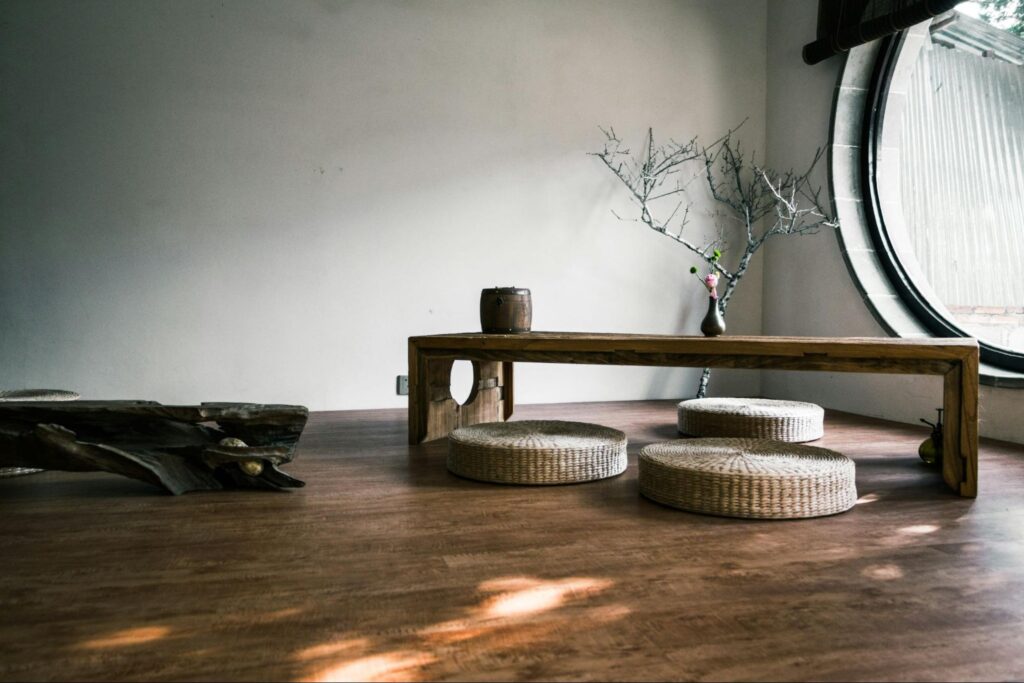
Engineered Wood Flooring: Nature’s Beauty with Modern Engineering
Composition and Structure
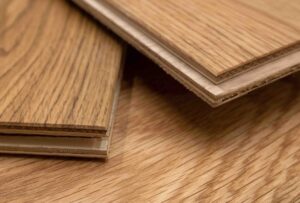
Engineered wood flooring is a clever combination of natural wood and modern technology. It consists of multiple layers:
- 1. A top layer of natural hardwood veneer (usually 2-6mm thick)
- 2. A core of high-quality plywood or high-density fibreboard (HDF)
- 3. A bottom layer for added stability
This layered construction gives engineered wood flooring stability and resistance to moisture and temperature changes.
Appearance and Feel
One of the most significant advantages of engineered wood flooring is its authentic appearance.
Because the top layer is natural wood, it offers the same beautiful grain patterns and a warm feel underfoot as solid hardwood. It’s available in a wide range of wood species, from classic oak to exotic teak, allowing you to achieve virtually any look you desire.
Lifespan and Durability
With proper care, engineered wood flooring can last 20-30 years or even longer. The thickness of the top veneer layer plays a crucial role in its longevity, as it determines how often one can refinish the floor.
Higher-quality engineered wood floors with thicker wear layers can be refinished multiple times, extending their lifespan significantly.
Maintenance and Care
Engineered wood floors are relatively easy to maintain. Regular sweeping or vacuuming and occasional damp mopping using a wood-specific cleaner are usually sufficient.
Avoid excessive water, as it can damage the wood. Promptly clean up spills to prevent staining or warping.
Suitability
Engineered wood flooring is versatile and can be installed in most areas of the home, including:
- Living rooms and bedrooms
- Dining rooms
- Home offices
- Kitchens (with proper precautions against moisture)It’s also suitable for installation over underfloor heating systems, making it a popular choice for modern homes.
It’s also suitable for installation over underfloor heating systems, making it a popular choice for modern homes.
Installation and Refinishing
While professional installation is recommended, some engineered wood flooring products come with click-lock systems that make DIY installation possible for experienced homeowners.
As mentioned earlier, the ability to refinish the floor is a significant advantage, allowing you to restore its appearance over time.
Cost
Engineered wood flooring is generally more expensive than laminate, with prices ranging from £20 to £90 per square metre, depending on the quality and wood species. Installation costs can add another £20 to £40 per square metre.
The Flooring Masters offers a premium selection of engineered wood flooring. Our range includes various wood species, finishes, and plank widths to suit any interior style.
Our experts can guide you through the selection process, ensuring you choose a floor that looks great and meets your specific needs.
Laminate Flooring: Affordable Durability with Modern Aesthetics
Composition and Structure
Laminate flooring is a synthetic product made up of multiple layers:
- A wear layer that protects against scratches and stains
- A design layer featuring a high-resolution image of wood (or other materials)
- A core layer of high-density fibreboard (HDF)
- A backing layer for moisture resistance and stability
Appearance and Feel
Modern laminate flooring has made great strides in terms of appearance. High-quality laminates can convincingly mimic the look of various wood species and stone or tile.
However, upon close inspection or touch, you can usually tell it’s not natural wood. Compared to engineered wood, the surface tends to feel harder and less warm underfoot.
Lifespan and Durability
Laminate flooring typically lasts between 15-25 years, depending on the quality and level of care. It’s highly resistant to scratches, dents, and stains, making it an excellent choice for homes with pets or children. However, unlike engineered wood, laminate cannot be refinished once worn.
Maintenance and Care
One of the biggest advantages of laminate flooring is its ease of maintenance. Regular sweeping or vacuuming and occasional damp mopping are usually sufficient. Laminate is also highly resistant to stains, making it easy to clean up spills.
However, excessive moisture can cause the boards to swell or warp, so cleaning up spills promptly is important.
Suitability
Laminate flooring is suitable for a wide range of applications, including:
– High-traffic areas
– Homes with pets or children
– Basements (moisture-resistant varieties)
– Rental properties
It’s not recommended for bathrooms or areas prone to standing water.
Installation
Laminate flooring is known for its easy installation. Many products feature click-lock systems that allow for floating installation without the need for glue or nails, making it a popular choice for DIY enthusiasts.
Cost
Laminate flooring is generally more affordable than engineered wood, with prices ranging from £10 to £30 per square metre. Installation costs are also lower, typically around £10 to £20 per square metre.
At The Flooring Masters, we stock high-quality laminate flooring that combines durability with stunning aesthetics.
Our range includes water-resistant options and designs that mimic the look of real wood with incredible accuracy. We can help you find a laminate floor that perfectly balances your home’s style, durability, and affordability.
Need help figuring out where to start?
The Flooring Masters offers free consultations to help you find the perfect flooring for your home.
Engineered Wood vs. Laminate: A Detailed Comparison
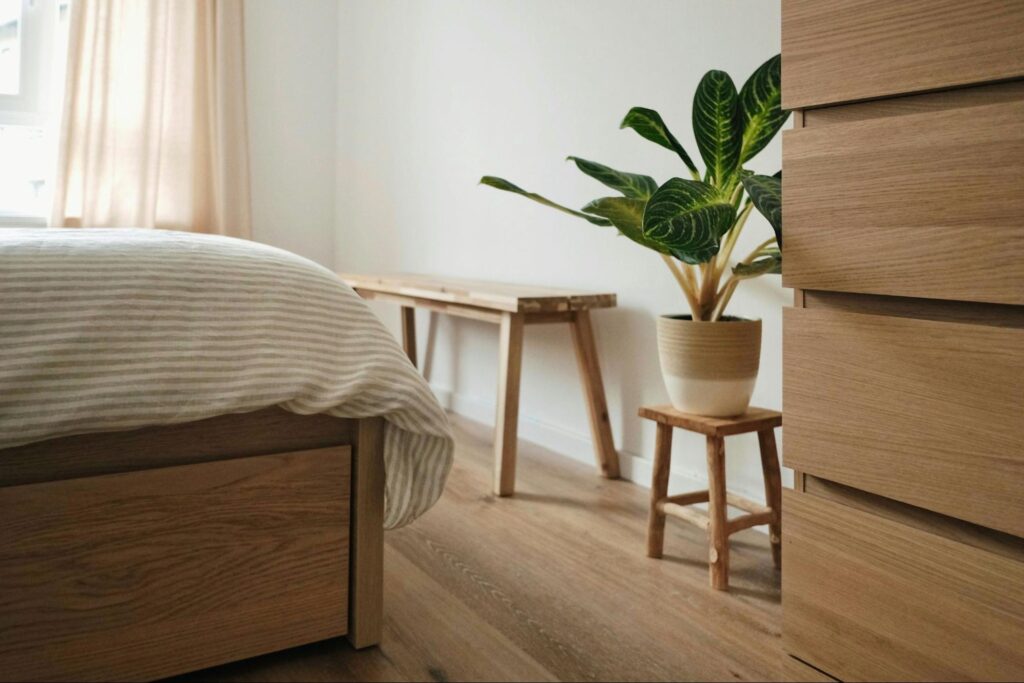
To help you make an informed decision, let’s compare these two flooring options across several key factors:
1. Appearance:
– Engineered Wood: Natural wood appearance with unique grain patterns
– Laminate: Photorealistic wood appearance, but can look artificial upon close inspection
2. Feel:
– Engineered Wood: Warm and comfortable underfoot
– Laminate: Harder and less warm underfoot
3. Durability:
– Engineered Wood: Durable, can be refinished to extend lifespan
– Laminate: Highly durable, but cannot be refinished
4. Water Resistance:
– Engineered Wood: Moderately water-resistant but can be damaged by standing water
– Laminate: More water-resistant, but prolonged exposure can cause swelling
5. Maintenance:
– Engineered Wood: Requires careful maintenance, periodic refinishing
– Laminate: Easy to clean and maintain, no refinishing needed
6. Lifespan:
– Engineered Wood: 20-30+ years with proper care
– Laminate: 15-25 years
7. Cost:
– Engineered Wood: £30-£90 per square metre
– Laminate: £10-£30 per square metre
8. Property Value:
– Engineered Wood: Can increase property value
– Laminate: Generally doesn’t add significant value to a property
9. Environmental Impact:
– Engineered Wood: Uses real wood, but less than solid hardwood
– Laminate: Synthetic materials, but often made with recycled content
Environmental Factors and Performance
Both engineered wood and laminate flooring have their strengths regarding environmental factors, but they perform differently in various conditions.
| Factor | Engineered Wood Flooring | Laminate Flooring |
|---|---|---|
| Moisture Resistance | Better than solid hardwood due to its layered construction, but can still be damaged by standing water. | More resistant to moisture than engineered wood, but prolonged exposure can cause swelling. |
| Heat Tolerance | Can be used with underfloor heating systems (check manufacturer guidelines). | Can be used with underfloor heating systems (check manufacturer guidelines). |
| High Traffic Areas | Performs well, especially with a durable finish. Can be refinished if wear becomes apparent. | Highly resistant to wear and tear, making it ideal for busy households. |
Repair and Replacement
Understanding the repair and replacement options for each flooring type can help you make a more informed decision.
| Factor | Engineered Wood Flooring | Laminate Flooring |
|---|---|---|
| Minor Scratches | Can often be buffed out or repaired with wood filler. | Can sometimes be repaired with specialized laminate repair kits. |
| Deep Scratches or Gouges | Individual planks can be replaced, or the entire floor can be refinished if the veneer is thick enough. | Individual planks can be replaced, but it can be challenging to match the color and pattern exactly. |
| Refinishing | Possible 1-3 times, depending on the thickness of the wood veneer. | Not possible. When laminate is worn or damaged beyond repair, it needs to be replaced. |
Impact on Property Value
The type of flooring you choose can affect your property’s resale value. Here’s how engineered wood and laminate compare:
| Aspect | Engineered Wood Flooring | Laminate Flooring |
|---|---|---|
| Market Perception | Generally viewed as a premium flooring option | Typically doesn’t add significant value to a property |
| Property Value Impact | Can maintain or increase property value, especially in mid to high-end homes | High-quality laminate can maintain property value, but is unlikely to increase it |
| Appeal to Buyers/Renters | Appealing to potential buyers due to its authentic wood appearance and durability | Can be appealing in rental properties or starter homes due to its durability and low maintenance |
Cost Breakdown
Here’s a breakdown of price ranges for both flooring types to give you a clearer picture of the potential costs.
| Cost Category | Engineered Wood Flooring | Laminate Flooring |
|---|---|---|
| Low-end | £30-£45 per m² | £10-£15 per m² |
| Mid-range | £45-£65 per m² | £15-£25 per m² |
| High-end | £65-£90+ per m² | £25-£30+ per m² |
| Installation costs | £20-£40 per m² | £10-£20 per m² |
Want to get a personalized quote for your flooring project?
Contact The Flooring Masters today for a free, no-obligation estimate.
Current Trends in Flooring
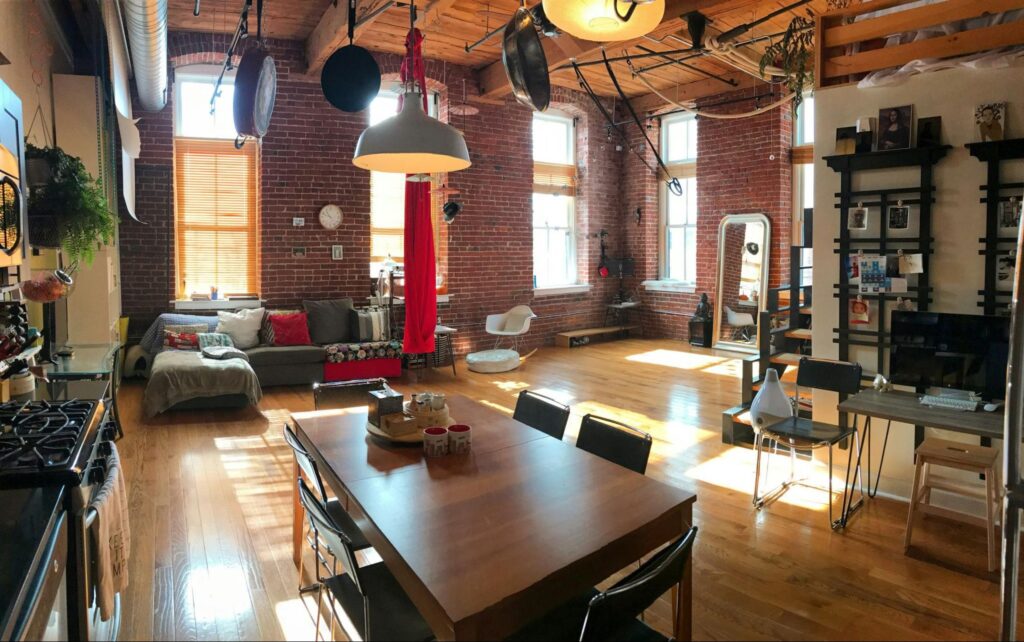
As we help homeowners choose their ideal flooring, we’ve noticed several emerging trends:
1. Wide Planks
Both engineered wood and laminate flooring are trending towards wider planks, making rooms appear larger and more open.
2. Matte Finishes
There’s a growing preference for matte or low-gloss finishes in both flooring types, offering a more natural and contemporary look.
3. Grey Tones
Grey-toned woods and wood-look laminates are increasingly popular, offering a modern, versatile backdrop for various interior styles.
4. Eco-Friendly Options
More homeowners are seeking sustainable flooring choices. Many engineered wood options now use responsibly sourced timber, while some laminate manufacturers are incorporating recycled materials.
5. Textured Surfaces
Both engineered wood and laminate flooring are available with textured surfaces that mimic hand-scraped or wire-brushed wood, adding character and hiding minor wear and tear.
Making the Right Choice: The Bottom Line
Let’s face it: choosing between engineered wood and laminate flooring isn’t a decision that should be taken lightly. After all, you’ll live with your choice for years. So, let’s break it down in a way that makes sense for UK homeowners:
Choose Engineered Wood Flooring if:
- You’re after that authentic wood look and feel (think classic British country homes)
- You’re happy to invest in flooring that could last as long as a mortgage term
- You fancy the idea of giving your floors a facelift down the line
- You’re keen on boosting your property value (always a plus in the UK housing market)
Go for Laminate Flooring if:
- Your budget is tighter than a London flat
- You’ve got a house full of kids, pets, or both (we’re looking at you, Labrador owners)
- You’d rather spend your weekends outdoors than maintain your floors
- You’re alright with a good imitation
Remember, the best flooring choice meets your needs, fits your budget, and makes you happy every time you walk into the room.
And if you’re still on the fence, feel free to contact us. We promise no hard sell, just honest advice!
Choose Flooring That Makes Your Home Feel Just Right
Both engineered wood and laminate flooring have their strengths and weaknesses.
Engineered wood offers the beauty of real wood with added stability, while laminate provides durability and affordability. By considering your budget, lifestyle, and aesthetic preferences, you can make an informed decision that will keep you happy with your flooring choice for years to come.
Remember, it’s always a good idea to see and feel samples of both types of flooring before making your final decision. The Flooring Masters offers free samples, allowing you to see how the flooring looks in your home’s lighting alongside your existing décor.
Ready to make your decision?
Order free samples and start your flooring journey today!